Water beads are the size of a sugar grain when dry. Swallowed, they expand to the size of a marble inside a child's gut. The Runfeng Water Bead recall is just the latest reminder that some of the most dangerous things in Irish homes look completely harmless.
Product recalls happen constantly. The Competition and Consumer Protection Commission publishes them regularly, and most parents never see them until something goes wrong. The gap between a recall being issued and a product leaving circulation can be weeks. During that window, the product is still in your home, still accessible, still a risk. Knowing what to do in the first minutes after an incident is not paranoia. It is the only thing that actually matters in that moment.
What Water Beads Actually Do Inside a Child
Runfeng Water Beads, recalled for failing to meet EU toy safety standards, are polymer beads that absorb water and expand dramatically. A child who swallows one or several faces a genuine internal obstruction risk. The beads do not show up on standard X-rays, which means diagnosis is harder and delayed. Symptoms can take hours to develop, and by then the situation is serious.
Do not wait for symptoms. If you know or strongly suspect your child has swallowed water beads, go to A&E immediately. Do not induce vomiting. Do not give food or water. Keep them calm and still, note the time it happened and roughly how many beads might have been swallowed, and bring the packaging with you if you have it.
Before You Can Get to A&E: The First Response
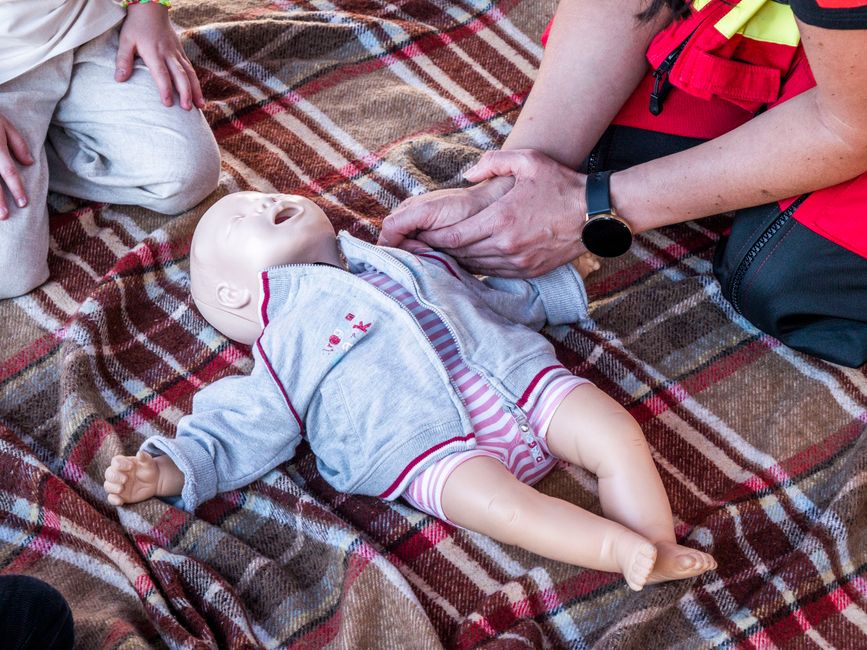
The Irish ambulance service number is 999 or 112. Use it if your child is in distress, struggling to breathe, losing consciousness, or in severe pain. Do not drive yourself if your child's condition is deteriorating rapidly. Call first, then drive only if you are told to and the child is stable.
While waiting or travelling, do the following.
Keep the child upright and calm. Lying flat can make an obstruction worse. Do not offer anything by mouth. Physical activity is not helpful and could be harmful. Stay on the phone with emergency services if they have advised you to.
If the product caused a skin or eye irritation rather than ingestion, flush the affected area immediately with clean, lukewarm water for a minimum of 15 minutes. Do not rub. Remove any contaminated clothing. Then go to A&E or call poison control. Ireland's National Poisons Information Centre is reachable through the hospital emergency system, and your GP out-of-hours service can also advise.
Checking Recall Notices: The Habit Most Parents Skip
The CCPC maintains a live product safety recall database. So does the EU's RAPEX system, which tracks dangerous products across all member states. These are not obscure government resources. They are updated weekly and searchable by product type or brand.
The problem is nobody checks them proactively. Recalls are reactive documents. The information exists, but it reaches parents through luck more than design. A retailer might email you if you registered the product. More often, you find out through a news story or a social media post.
The practical fix is simple. Set a reminder once a month to search the CCPC recall list for any toys or children's products you have bought recently. Ten minutes. That is the entire task.
When the Injury Has Already Happened
If your child has been hurt by a recalled product, document everything before you do anything else. Photograph the product, the packaging, the batch number, and any visible injury. Screenshot the recall notice if you can find it. Keep the product, even if it is broken. This matters for any complaint, legal claim, or safety report you make later.
Report the incident to the CCPC. This is not bureaucratic box-ticking. Incident reports drive enforcement. They trigger investigation into how widely a dangerous product has spread. Your report can pull a product out of other homes.
If your child required medical treatment, ask the hospital to document the cause. Many product-related injuries are recorded as generic injuries in emergency records, which makes the broader safety picture invisible. Being specific with clinical staff about what caused the injury creates a paper trail that matters.
The Toys That Look Fine Until They Are Not
Button battery ingestion in toddlers follows the same pattern as water beads: small, innocuous-looking, capable of causing catastrophic internal damage within hours. Magnetic balls. Small figurines with detachable parts. Fidget toys with internal components. The EU General Product Safety Regulation sets minimum standards, but products still reach Irish homes that do not meet them, through online marketplaces in particular.
If you bought the product on a third-party marketplace platform, the seller may be based outside the EU and effectively unreachable. The platform itself has legal obligations under new EU rules that came into force in 2024, but enforcing those obligations takes time your child does not have in an emergency. The immediate priority is always the child, not the complaint.
What to Tell the Triage Nurse
When you arrive at A&E, be direct. Say the product name, say it was recalled, say what you think was ingested or what contact occurred, and give a time. Triage decisions are made fast and with limited information. The more precise you are, the faster the right response follows. Do not minimise because you are embarrassed or because the child seems okay. Water beads cause delayed symptoms. The child feeling fine now is not evidence that nothing is wrong.
For first aid guidance covering a wider range of product recall injuries, including chemical exposure and soft tissue injuries from structural failures, the principles are consistent: remove, flush, document, and seek professional assessment without delay.
The Runfeng recall is not an isolated incident. It is part of a pattern. The gap between product and parent knowing about the risk is where children get hurt. Close that gap, and you have done more than any recall notice ever will.