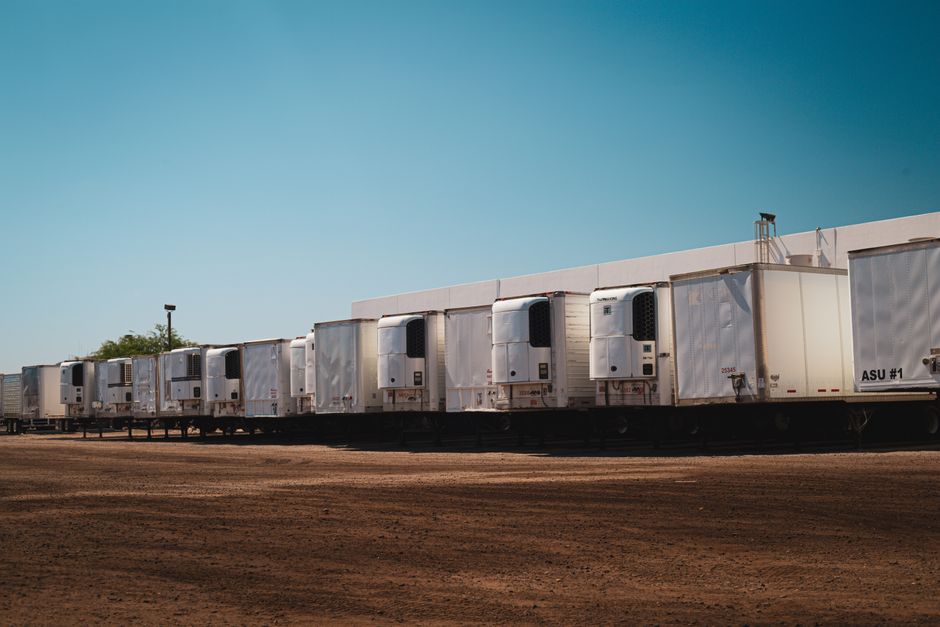
The refrigerated van pulls up forty minutes late. The chilled cargo is holding temperature. The driver has been behind the wheel for nine hours without a proper break. One of these facts is about to appear in an inspection report.
The HSA's driving-for-work programme has been steadily expanding its reach into food distribution. Inspectors are looking at tachographs, break records, load security, and vehicle condition. What they are also finding is that the people most responsible for maintaining the cold chain are often the least protected workers in the food supply system.
Two Compliance Regimes, One Stressed Human
Food distributors operate under two distinct sets of rules. The Food Safety Authority of Ireland governs temperature control, traceability, and the integrity of the cold chain. The HSA governs the safety of the worker delivering it. Both sets of rules apply simultaneously, and in summer they pull in opposite directions.
A driver making twelve chilled drops across Cork on a hot July day is under pressure to move fast. Every door opening costs temperature. Running behind schedule means longer door openings, which means more risk to the cargo. So speed becomes the informal solution. Breaks get skipped. Routes get compressed. The tachograph tells the truth later, but by then the delivery is done.
The ambient temperature outside a refrigerated van cab on a 25-degree day in Ireland can exceed 35 degrees inside the cab after twenty minutes of sitting in traffic. There is no mandatory maximum cab temperature in Irish law. The general duty of care under workplace health legislation still applies, but it requires the employer to actively manage the risk rather than waiting for a driver to report heat stress.
What the Cold Chain Rules Actually Require
Under EC Regulation 853/2004 and the Food Hygiene Regulations 2006, chilled foods must be maintained at or below 8 degrees Celsius during transport, with most ready-to-eat products requiring 5 degrees or less. Frozen goods must stay at minus 18 degrees. These are not targets. They are legal limits.
The vehicle must be capable of maintaining those temperatures. The equipment must be calibrated and that calibration must be documented. Temperature logs must travel with the load. If an Environmental Health Officer stops a vehicle and finds the probe reading 11 degrees for a batch of cooked meats, the consignment is unsafe and the operator is exposed.
What the regulations do not specify is how long a driver can reasonably be expected to monitor all of this while navigating a vehicle, meeting delivery windows, and staying within driving hours rules. That gap is where incidents happen.
What Driver Safety Rules Actually Require
Commercial food delivery vehicles over 3.5 tonnes fall under EU tachograph and driving hours regulations. Drivers must take a 45-minute break after 4.5 hours of driving. Maximum daily driving is 9 hours, extendable to 10 hours twice a week. Weekly rest requirements are firm.
Lighter vehicles used for local chilled deliveries often fall below the 3.5-tonne threshold and sit outside the tachograph regime entirely. That does not mean driving hours are unregulated. The Organisation of Working Time Act 1997 still applies. Maximum average weekly working time is 48 hours. Employees cannot legally be required to work in a way that creates a foreseeable risk of fatigue-related incidents, regardless of vehicle weight.
Fatigue is not a soft concern. A driver who has been loading and unloading 15-kilogram boxes since 6am, navigating a van through urban traffic in summer heat, and absorbing the stress of a late schedule, is a road risk. The HSA's own data on driving-for-work incidents consistently shows fatigue as a contributing factor. The fact that the cargo is cold does not make the driver less tired.
Where Food Businesses Are Getting This Wrong
The most common failure is treating cold chain compliance and driver safety as separate departments. The operations manager is chasing temperature logs. The HR manager is vaguely aware of working time rules. Nobody is sitting down and asking: what does it actually look like to do this job on a hot Tuesday in August?
Route planning is where most of the damage gets done. Delivery windows set by customers get locked in before anyone checks whether they are achievable within legal driving hours. When they are not achievable, drivers absorb the difference. They eat at the wheel. They skip the mandatory break. They push through the last three drops before pulling over.
Load design matters too. If a driver has to remove half the cargo to reach the delivery at the back, every stop takes longer. Longer stops mean more door openings, more temperature fluctuation, and more time pressure on the next leg.
Vehicle design is the third lever. A cab with no air conditioning in summer is not a minor inconvenience. It is a health risk with compounding effects on concentration, reaction time, and decision-making. Distracted and impaired driving is not always about a phone in the hand. Sometimes it is about a driver who is simply cooked.
What a Decent System Looks Like
Route planning must account for driving hours, not just distance. If a route is only achievable by skipping breaks, the route is wrong. Fix the route before assigning the driver.
Temperature monitoring should be automated where possible. Data loggers that record continuously and flag excursions remove the burden from the driver. If the driver is manually checking and logging temperatures, that task needs to be built into the schedule as paid working time, not squeezed into a break.
Vehicle pre-checks must include refrigeration unit function. A driver who sets off with a unit that is struggling to hold temperature is not going to improve matters by driving faster. That unit needs to be right before the engine starts.
Cab comfort is not optional. Air conditioning that works, water that is accessible, and enough time built into the schedule for a driver to actually eat something during the hours they are supposed to stop. These are basic conditions of a job that involves operating heavy machinery in traffic.
Documentation should tell a coherent story. If the temperature logs show perfect compliance and the tachograph shows nine continuous hours of driving, those two documents are in conflict. An inspector will notice.
The Turn
The cold chain and driver safety are not competing priorities. A fatigued driver who misjudges a junction does not deliver anything. A consignment that arrives at 12 degrees because the driver rushed every stop is a public health failure. Both outcomes cost more than a properly resourced delivery operation.
The HSA's summer inspection focus is not a surprise. Treat it as the prompt to audit your entire delivery system, not just the temperature records.