Handing out samples of a novel food product without regulatory approval is not a grey area. It is an enforcement action waiting to happen, and the consumer harm claim that follows it.
The novel food sector is growing fast. Insect protein, cell-cultivated products, algae-based ingredients, CBD-infused drinks, exotic botanical extracts. Startups and established food businesses alike are racing to get these products in front of consumers. Taste trials feel like the logical first step. Get feedback, refine the product, then sort the paperwork. That sequence is exactly the wrong way around.
What Counts as a Novel Food
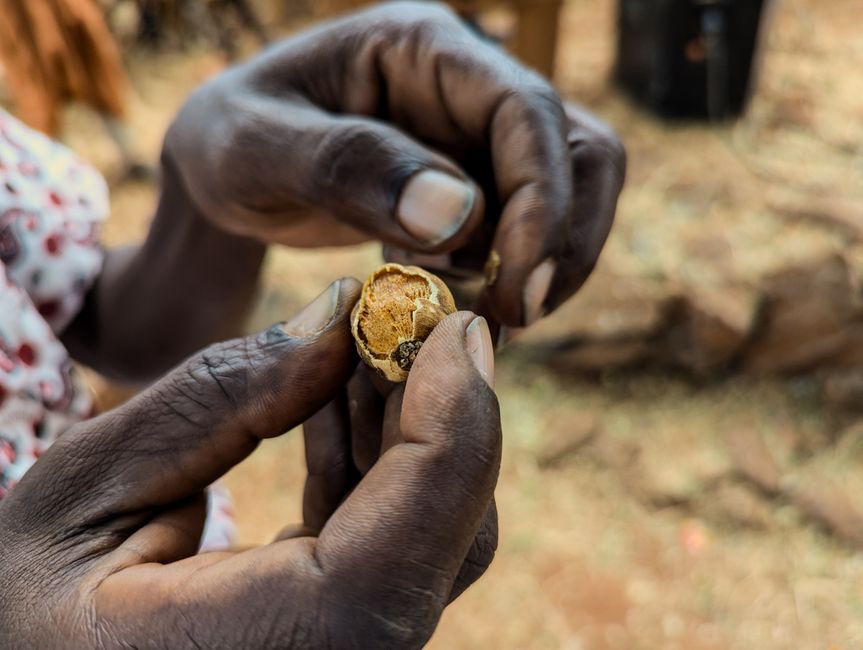
Under EU Regulation 2015/2283, a novel food is any food not consumed to a significant degree in the EU before 15 May 1997. The list is broader than most companies realise. Chia seeds took years to get approved. Baobab fruit, krill oil, tiger nuts, UV-treated bread, certain algae. If your product or ingredient is on the EU novel food catalogue as approved with conditions, or absent from it entirely, you are in regulated territory.
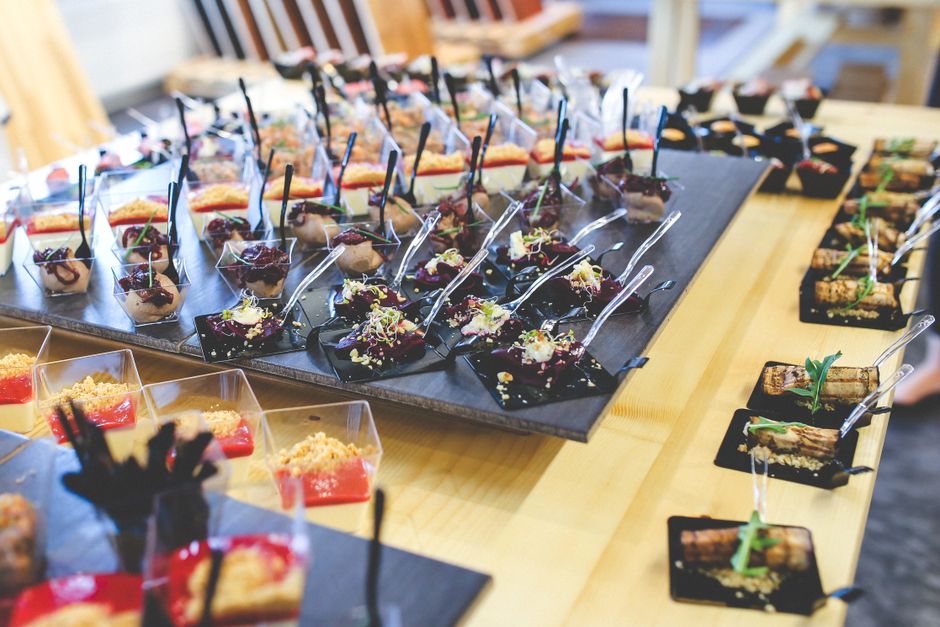
The FSAI enforces this in Ireland. They do not wait for a complaint. If a product is on the market or being distributed to consumers without authorisation, the FSAI has grounds to act. That includes taste trials at trade shows, pop-up events, festival sampling stands, and corporate hospitality.
The Approval Process Companies Are Skipping
FSA approval for a novel food requires a full application to the European Commission, a safety assessment by EFSA, and a decision that can take 18 months or more. That timeline is uncomfortable for businesses trying to move fast. So companies cut it.
The shortcuts vary. Some run taste trials and call them internal testing. Some distribute samples under the banner of research. Some simply assume their product is not novel because a similar ingredient exists somewhere else in the world. None of those workarounds hold up under scrutiny.
An FSAI inspector does not need to prove intent. They need to establish that an unauthorised novel food was placed in the hands of consumers. The trial format is irrelevant.
Where the Liability Sits
Enforcement action is one exposure. Consumer harm claims are another, and they are harder to defend.
If a participant in a taste trial has an adverse reaction to an ingredient that was never assessed for safety, the company faces a civil claim with no regulatory cover whatsoever. No EFSA safety assessment. No approved conditions of use. No approved labelling to point to. The business ran a consumer exposure exercise on a substance with an unknown safety profile. That is not a defensible position.
The General Food Law Regulation (EC 178/2002) requires that food placed on the market is safe. This applies to taste trials. The fact that samples are free, small, or framed as informal does not change the legal character of the transaction. Food was given to a consumer. If it was unsafe or unauthorised, the operator is liable.
Personal injury solicitors understand this. A novel food reaction with no approved safety file behind the product is exactly the kind of case that settles quickly and expensively.
What Companies Get Wrong About Labelling
Even businesses that do secure novel food authorisation sometimes miss the second problem. Authorisation under Regulation 2015/2283 often comes with specific conditions. Specific population groups who must not consume the product. Maximum intake levels. Mandatory label statements.
Taste trial samples frequently have no labelling at all, or a bare minimum. That is a separate breach. If your novel food authorisation requires a warning for pregnant women and your festival sample cup carries no such warning, you have created liability on top of an otherwise compliant product.
The FSAI's labelling enforcement has tightened. The days of inspectors tolerating poorly labelled novel food samples because the product was otherwise interesting are over.
The Internal Testing Defence Does Not Work
The exemption some companies reach for is that taste trials are internal product development, not commercial activity. EFSA and the FSAI have both addressed this.
If members of the public, even recruited volunteers, consume a novel food as part of a trial, that activity can constitute placing food on the market. The fact that no money changed hands does not make it internal. The moment a third party consumes an unauthorised novel food, the company has an exposure. Paid panellist or street sample, the analysis is the same.
The route that does work is genuine controlled research conducted under food law, with ethics oversight, documented informed consent, and ingredients that have at least a preliminary safety assessment behind them. That is a narrow category and it requires legal advice to stay inside it.
What to Do Before Any Trial
The compliance sequence is not complicated, but it has to run in the right order.
First, check the EU novel food catalogue. If your ingredient appears with an authorisation, check the conditions. If it does not appear at all, assume it is novel until you get a definitive answer.
Second, if the ingredient is novel, your options before consumer exposure are limited. You can proceed with internal testing involving only your own employees under controlled conditions, with appropriate protocols in place. You can commission a pre-submission consultation with EFSA, which provides early guidance without full authorisation. You can also engage the FSAI directly. They will not fast-track the process, but early engagement is always better than explaining yourself after an enforcement notice.
Third, if you proceed to any form of consumer testing, get the labelling right. Every ingredient. Every allergen. Every condition of use from the authorisation. No exceptions for small cups or informal settings.
The novel food pipeline is genuinely exciting. What the FSA's food regulation overhaul means for businesses operating in this space is worth understanding fully, because the regulatory environment is not static. Approval timelines are under pressure to shorten, but that does not change what is required today.
Companies that run taste trials without authorisation are not moving fast and breaking things. They are breaking food law, exposing consumers to unassessed risk, and building a civil liability file one sample cup at a time.
Sort the authorisation first. Then run your trial.