Phomopsins have been lurking in the feed supply chain for decades. EFSA's updated opinion makes clear that the old tolerance thresholds were too generous, and the gap between what was acceptable yesterday and what is defensible today is now your liability problem.
What Phomopsins Actually Are
Phomopsins are mycotoxins produced by the fungal pathogen Diaporthe toxica, which colonises lupin plants. They are potent hepatotoxins, meaning the liver takes the hit first. In livestock, phomopsin contamination causes lupinosis, a condition marked by liver damage, weight loss, jaundice, and death in severe cases. Sheep are the most susceptible. Cattle and horses are also at risk. Pigs show some tolerance, but that is not a reason to get comfortable.
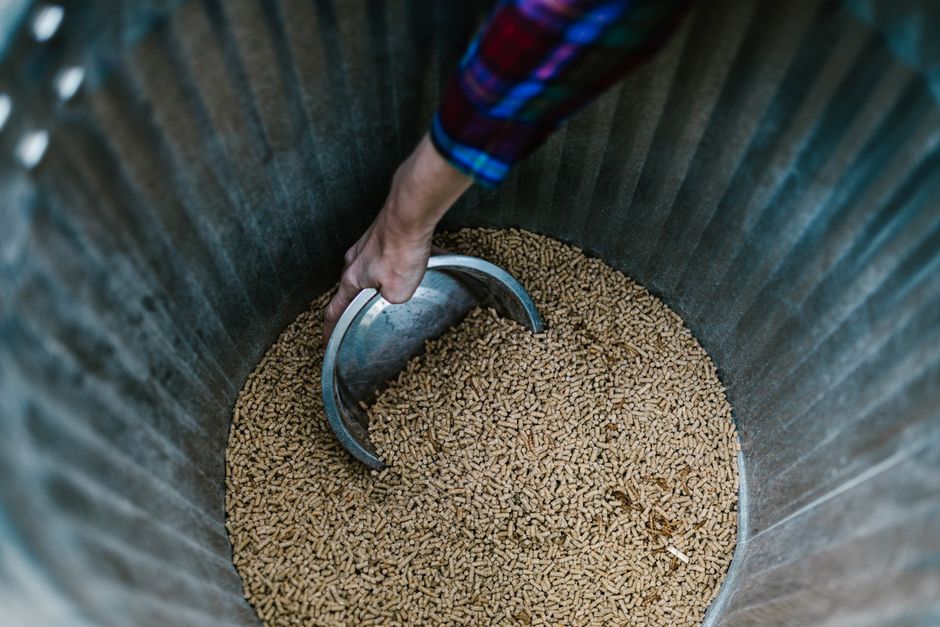
The contamination route is predictable. Lupin grain and lupin meal are valued feed ingredients, particularly in high-protein rations for dairy cows and sheep. Australia is the dominant global producer. When weather conditions favour fungal growth on lupin stubble, phomopsin levels in harvested grain can spike. The problem arrives in a container, passes through a port, and ends up in a compound feed without anyone testing for it.
What EFSA Changed and Why It Matters
EFSA's updated risk assessment, published through its Panel on Contaminants in the Food Chain, concluded that existing guidance on tolerable contamination levels was not sufficiently protective for all animal species. The panel reviewed toxicokinetic data, animal exposure studies, and production data across the EU feed sector.
The key shift is in how phomopsins are now characterised as a group. Phomopsin A has long been the main target compound for analysis. EFSA's updated opinion takes a more systematic view of the phomopsin family and flags that testing for phomopsin A alone may underestimate total toxic load in a sample. This is not a minor methodological quibble. It directly affects whether your current testing regime would pass scrutiny.
For businesses working with lupin-derived ingredients, the update also strengthens the case for stricter maximum levels at EU regulatory level. That regulatory tightening is likely coming. Getting ahead of it now is cheaper than scrambling once limits are formally revised.
What This Means for Your Supply Chain
If you buy lupin grain, lupin meal, or compound feeds containing lupin fractions from outside the EU, you are in scope. Here is where businesses typically have gaps.
Supplier qualification. Many import contracts rely on certificates of analysis from origin. That is not enough. A certificate generated at point of loading in Western Australia does not account for what happens during shipping, storage, or blending. Your supplier qualification process needs to verify what testing methodology was used, which phomopsin analogues were covered, and what the detection limits were. If the certificate only shows phomopsin A and uses an older HPLC method, you are working with incomplete data.
Testing at receipt. Testing imported lupin ingredients on arrival should be your baseline, not a contingency measure. LC-MS/MS is the preferred method for multi-analogue phomopsin detection. If your testing contract specifies a narrower panel, it needs updating.
Specification limits. Your internal specifications for lupin ingredients should now reflect EFSA's updated characterisation. Where you previously set a limit based on phomopsin A alone, you need to revisit whether that limit accounts for combined phomopsin toxicity.
Traceability. If a contaminated batch reaches a downstream customer, your ability to trace it quickly is what separates a manageable recall from a prolonged regulatory investigation. As noted in guidance around traceability standards for food and feed businesses, the expectation is one step forward and one step back, minimum. For phomopsin incidents, regulators will want to know the full batch history, including origin farm, ship date, storage conditions, and blending records.
Liability and the Importer's Duty
Under EU feed law, Regulation (EC) No 183/2005, feed business operators are responsible for ensuring the safety of feed they place on the market. That responsibility does not transfer to your foreign supplier by virtue of their paperwork. The importer carries the duty.
EFSA opinions do not automatically create legal limits, but they feed directly into risk-based enforcement decisions by national competent authorities, including the DAFM here in Ireland. If an incident occurs and investigators find that your testing regime did not reflect current scientific understanding of phomopsin toxicity, you are exposed. The updated EFSA opinion is now part of that scientific record.
Feed fraud compounds the risk. Food crime is getting bolder, and misrepresentation of origin or quality in feed ingredients is a known vector for contamination problems reaching the market without detection.
Practical Steps to Take Now
Review your lupin ingredient sourcing. Map every SKU that contains lupin grain or lupin meal, regardless of whether it is a direct purchase or an inclusion in a bought-in compound.
Audit your CoA requirements. Update your supplier specification documents to require multi-analogue phomopsin testing using LC-MS/MS, with explicit reference to the EFSA 2024 updated opinion as the baseline.
Check your testing laboratory scope. Not all accredited feed laboratories run extended phomopsin panels as standard. Confirm what your current contract covers.
Review your HACCP documentation. Phomopsin contamination should appear as an identified hazard in any HACCP plan covering lupin-containing products. If it does not, that is a gap your next audit will find.
Engage your feed law advisor. If you are uncertain whether your current controls would satisfy a DAFM inspection in light of the updated EFSA assessment, get a written review before an incident forces the question.
The science on phomopsins has been available for years. What changed is the regulatory weight now attached to it. The businesses that treat this update as background noise will find themselves explaining their testing gaps in a formal investigation. The ones that act now will not.