Three workers dead. A €1.2 million fine. And a set of failures so basic they should make every site manager in Ireland uncomfortable.
The Whitemountain Quarries case shook the construction sector when it concluded, and rightly so. But the lessons buried inside it go far beyond one quarry company. They reach into every road resurfacing job, every utility trench, every temporary traffic management setup on every county road in the country. Roadworks kill. They kill workers. They kill drivers. And the systems designed to prevent that keep failing in the same ways.
What Actually Went Wrong at Whitemountain
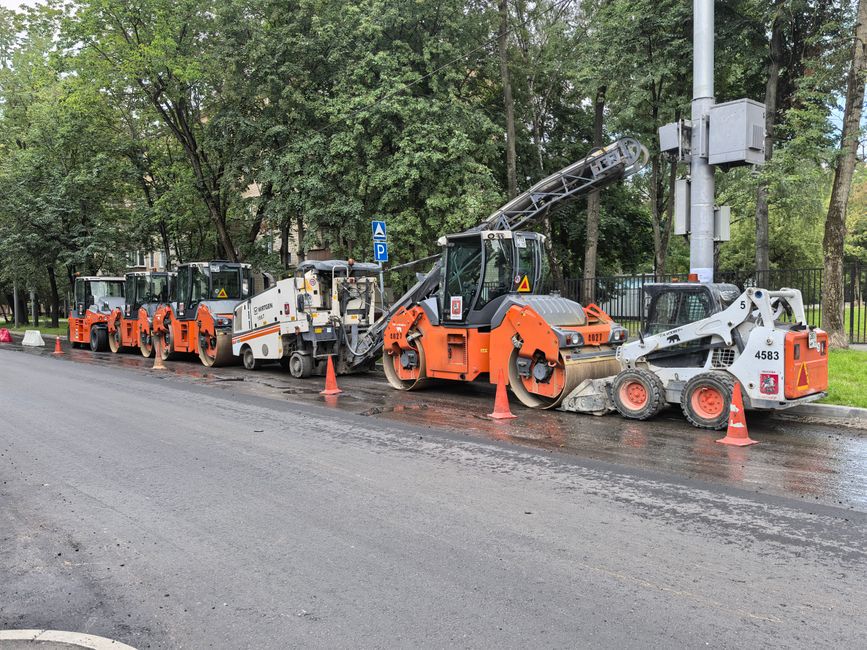
The Whitemountain prosecution centred on machinery blind spots and inadequate segregation between plant and workers, the exact conditions that turn a routine operation into a fatal one. Large vehicles reversing. Workers on foot. No reliable system keeping them apart. The fine reflected not just the deaths but the systemic nature of the failures. This was not a single bad day. It was a culture of accepted risk.
That distinction matters legally and practically. When a prosecutor can show that the same hazard existed across multiple operations, with no meaningful intervention, the sentence reflects that. €1.2 million is not a rounding error. It is the court communicating that the gap between what was known and what was done was too wide to ignore.
The Traffic Management Problem Nobody Fixes
Here is the part that affects drivers as much as workers. Traffic management at Irish roadworks is inconsistent, and that inconsistency is dangerous.
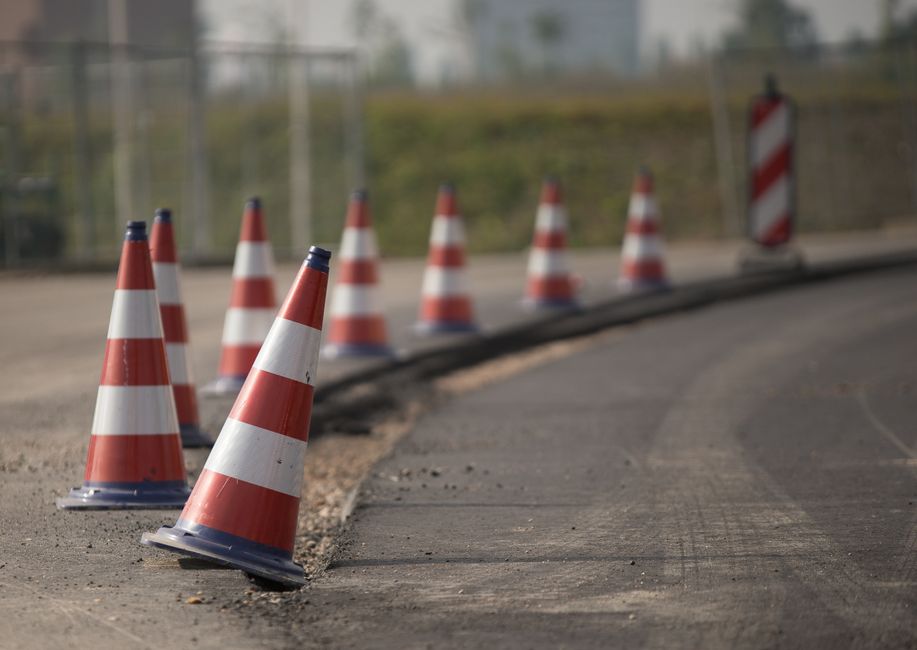
The rules are clear enough. The Code of Practice for Traffic Management at Roadworks sets out exactly how sites should be signed, how cones should be placed, how speed should be reduced, and how workers should be protected. What happens on the ground is another story. You will find sites with signage that contradicts itself, buffer zones that have been collapsed because someone needed to park a van, and traffic management personnel who are present in body but absent in function. A person in a high-vis holding a stop-go lollipop is not traffic management. A system is.
The Whitemountain case exposed a failure to treat reversing vehicles and worker separation as the primary hazard they are. In roadworks environments, the same logic applies to passing traffic. A driver doing 80km/h through an inadequately signed works zone is not the only person at risk. Everyone in that zone is at risk. And when something goes wrong, the investigation will ask what the site operator did to prevent it.
What the Law Actually Requires
The Safety, Health and Welfare at Work Act 2005 places the duty of care on employers. The Construction Regulations 2013 add specific obligations for sites where vehicles and people share space. The Code of Practice for Traffic Management at Roadworks is not legally binding in itself, but failure to follow it becomes evidence of negligence when someone is hurt.
What this means in practice:
A written traffic management plan is not optional. It has to exist before work starts, and it has to be site-specific. A generic template copied from the last job is not a plan.
Competent traffic management personnel must be appointed. Competent means trained, not just available. The person managing traffic on a live road needs to know what they are doing. Pointing at a cone course and hoping for the best is not a system.
Segregation between plant and pedestrians must be physical, not theoretical. Barriers, not wishes. If a reversing vehicle can reach a worker, the system has failed before anything happens.
Speed must be enforced, not just requested. A sign asking drivers to slow to 30km/h does nothing if there is no reduction in road width, no rumble strips, no chicanes. Drivers respond to physical cues faster than they respond to requests.
The plan must be monitored and adjusted. Sites change. A traffic management plan that was adequate at 7am might not be adequate when a second crew arrives at 10am. Someone has to own that ongoing assessment.
What Changed After the Fine
The Whitemountain prosecution pushed the HSA to sharpen its focus on roadworks as a distinct risk category. Inspections became more targeted. The question shifted from "is there a plan?" to "does this plan actually work and is anyone checking?"
Some companies responded seriously. They invested in proper traffic management training, brought in qualified personnel, and started treating the works zone as a construction site with all the obligations that entails. Others waited to see if enforcement would sustain its attention.
It has.
The HSA's roadworks campaign inspections have continued to find the same failures: inadequate signage, missing risk assessments, untrained personnel, and plant operating without proper segregation from workers on foot. The fine changed the financial calculus for some operators. It did not change the underlying attitude in the sector.
What Still Needs Fixing
The honest answer is that enforcement alone will not solve this. The roadworks safety problem in Ireland has three layers that a single prosecution cannot address.
The first is procurement. Local authorities and utility companies routinely award contracts on price. Traffic management done properly costs money. When the contract price does not allow for proper traffic management, something else funds it. Usually that something is cutting corners on the setup, on the personnel, on the oversight. Procurement that does not value safety as a line item will always produce sites that do not deliver it.
The second is supervision. The project supervisor role on Irish construction sites carries real legal weight, but its execution varies enormously. A supervisor who signs off on a traffic management plan at the start and never returns to the site is not supervising anything.
The third is driver behaviour. This one is uncomfortable but real. Drivers who ignore roadworks speed limits, who tailgate through narrow zones, who get impatient with stop-go systems and take risks, create conditions that even good traffic management cannot fully absorb. Road safety education in Ireland focuses heavily on rural roads and motorways. The specific risks of driving through active work zones get less attention than they deserve.
The Number That Should Focus Minds
In the five years to 2023, roadworks-related incidents accounted for a significant portion of construction fatalities in Ireland. Workers struck by passing vehicles. Workers struck by reversing plant. Drivers and passengers injured when they entered unprotected zones at speed.
Every one of those incidents had a precursor. A plan that was not followed. A supervisor who did not check. A driver who did not slow down. A company that treated traffic management as a compliance box rather than a life-safety system.
€1.2 million is a large number. It is not as large as the cost of getting this right.
The Whitemountain case is the most visible consequence of roadworks safety failures in recent Irish history. It should not require another prosecution at that scale to move the sector. But based on what inspectors are still finding on Irish roads, the message has not landed everywhere it needs to.