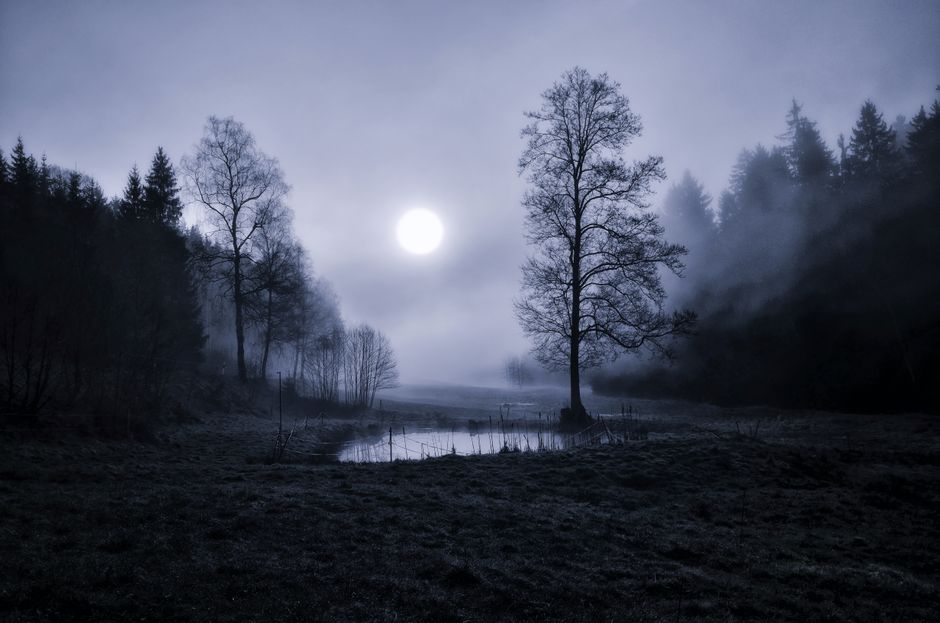
By late November, Dublin gets around eight hours of daylight. Cork gets slightly more. Neither is enough for your body clock to function the way it did in July, and the consequences show up fast.
You wake at 7am into pitch darkness and your brain reads it as the middle of the night. Cortisol, which should spike to wake you up, stays flat. Melatonin lingers longer than it should. You shuffle to the kettle feeling like you have not actually slept at all, because neurologically, your body is not sure the night has ended. This is not a motivation problem. It is biology responding rationally to a genuinely confusing light environment.
Ireland sits at roughly 53 degrees north. That is the same latitude as parts of Canada and Russia. The Irish climate softens things, but the light loss is real. Between October and February, many people who had perfectly functional sleep in summer find themselves lying awake past midnight and unable to get out of bed in the morning. The pattern is consistent enough that it has a name: circadian misalignment. Your internal clock has drifted away from the clock on the wall.
Why Light Is the Only Lever That Actually Works
Your circadian rhythm is set almost entirely by light hitting the retina. Specifically, a particular type of retinal cell is sensitive to short-wavelength blue light in the morning and uses it to anchor your body clock. In summer, this happens automatically. You walk outside, daylight does its job, and your cortisol and melatonin patterns align with your schedule.
In winter, you are often inside and in the dark during the exact window when that signal needs to arrive. If your first real light exposure of the day comes at 10am through a window, your body clock shifts later by a small amount every day. Over weeks, the drift compounds. By January, you are biologically a different time zone to your actual schedule.
The fix is blunt: get bright light into your eyes within 30 minutes of waking. Outside is better than inside. Even overcast Irish winter daylight contains more lux than your kitchen ceiling. A 10-minute walk at 7:30am on a grey November morning delivers roughly 1,000 lux. Your indoor lights deliver around 100 to 200. The difference is not marginal.
If getting outside is not realistic, a 10,000 lux light therapy lamp used for 20 to 30 minutes at breakfast works. Position it to the side of where you are sitting, not stared at directly. The research on these is solid. They work. They are not expensive.
Caffeine Is Probably Doing the Opposite of What You Think
Most people use caffeine to manage winter fatigue. The problem is that caffeine consumed after 2pm delays sleep onset by an average of 40 minutes, and for people with slow caffeine metabolism, the effect runs longer. You are borrowing alertness you will repay that night with worse sleep, which makes tomorrow's fatigue worse, which increases the next day's caffeine intake. The cycle runs all winter.
The fix is an early cutoff. Not dramatic, just consistent. Caffeine before noon, ideally before 10am. This is harder than it sounds when you are already fatigued by lunchtime, but the payback in sleep quality within a week is noticeable.
Adenosine is the chemical that builds sleep pressure throughout the day. Caffeine blocks it temporarily. When the caffeine clears, all the adenosine it was blocking hits at once, which is why the 4pm slump can feel like a wall. In winter, this mechanism gets amplified by the earlier melatonin onset that low light causes. Coffee at 3pm plus early melatonin release is a reliable recipe for lying awake until 1am feeling exhausted but unable to sleep.
The Routine Point Nobody Mentions
Sleep timing is more important than sleep duration. Your body clock is stabilised by regularity. Waking at the same time every day, including weekends, is the single highest-impact habit change available. Not roughly the same time. The same time.
Weekend lie-ins feel earned and are genuinely pleasant, but they shift your clock forward by 60 to 90 minutes over two days. On Monday, you are functionally jet-lagged. Sleep researchers call this social jet lag and it is common enough in winter that it explains a significant portion of the Monday fatigue most people attribute to work stress.
The fix: set one anchor time. Wake at the same hour every day. If you are tired, go to bed earlier rather than sleeping later. This feels restrictive for about two weeks and then becomes automatic.
Evening Light Is Working Against You
If morning light sets the clock forward, evening light delays it. Bright screens and overhead lights after 9pm signal to your brain that it is still afternoon. Melatonin production, which should start around 9 to 10pm in a normal sleep pattern, gets pushed back by an hour or more.
In winter this matters more because the dark evenings should, in theory, be helping you. The early darkness is a genuine biological cue to wind down. Flooding your retinas with screen light at 10pm overrides it completely.
Practical adjustments: dim overhead lights after 9pm, use warm-toned bulbs where possible, and enable night mode on screens. These are not sleep hygiene clichés. They are direct interventions in your melatonin timing. Shift workers face an amplified version of this problem year-round, but in winter the general population joins them in a milder version of the same circadian disruption.
Temperature and What You Eat After Dark
Your core body temperature needs to drop by about one degree to initiate sleep. Rooms above 18 degrees slow this. The stereotypically damp Irish winter bedroom is actually a better sleep environment than a well-heated one, provided it is dry. Keep bedrooms cool. Ventilate if possible.
Eating large meals within two hours of bed keeps your digestive system active and interferes with the temperature drop. This is not a diet issue. It is a thermoregulation issue. A lighter evening meal, or eating earlier, makes a measurable difference to sleep onset time.
Alcohol is worth a direct note. It helps people fall asleep and ruins the second half of the night. REM sleep, which is when emotional processing and memory consolidation happen, is suppressed by alcohol. The sleep you get after a few drinks feels like rest and is not. In winter, when disrupted sleep is already compounding into mood and cognitive issues, adding alcohol as a sleep aid makes the underlying problem significantly worse.
The Turn
None of this requires supplements, apps, expensive kit, or a personality overhaul. The basic levers are light timing, caffeine timing, consistent wake time, and evening light reduction. Applied consistently for two weeks, they shift your circadian rhythm back into alignment with your actual schedule. Irish winters are dark. Your body clock responds to that honestly. The question is whether you give it the cues it needs to stay functional anyway.
Get outside before 8am. Drink your last coffee by 10am. Wake up at the same time on Saturday as Monday. Turn the lights down in the evening. That is the whole thing.