Why Your Farm's Machinery Is More Dangerous Than You Think: A Breakdown of Recent Convictions
A PTO shaft without a guard. An auger with no isolation point. A tractor reversed without a spotter. These are not freak accidents. They are the same four or five failures, repeating, on different farms, with different families destroyed each time.
The HSA has been prosecuting agricultural employers at a rate that should make every farm owner uncomfortable. Fines of €150,000 and above are landing on companies that, in almost every case, knew the risk existed and did nothing measurable about it. The machinery did not malfunction. The guards were missing, bypassed, or never fitted. The safe systems of work existed nowhere except in someone's head.
Ireland's agricultural sector accounts for a disproportionate share of workplace fatalities every single year. That is not a coincidence. It is a structural problem, and the convictions are the receipts.
What the Convictions Actually Show
Strip back the legal language in recent HSA prosecutions and the same clusters appear.
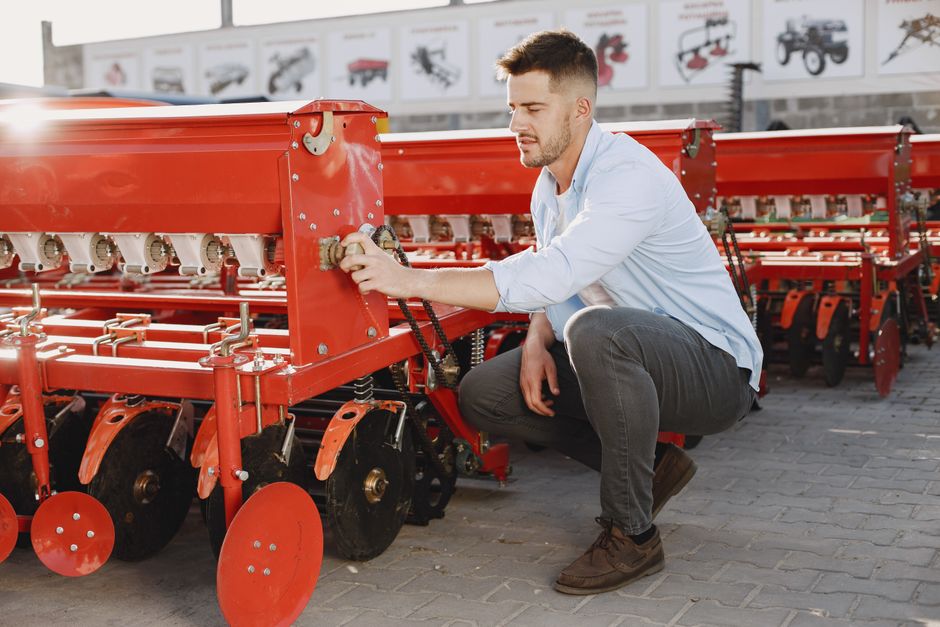
Unguarded power take-off shafts. PTO entanglement kills and maims with a speed that makes intervention impossible. A shaft spinning at 540 rpm grabs clothing in milliseconds. The guard costs less than €100. Its absence costs companies six-figure fines and costs workers their lives. Multiple recent convictions centre on this exact failure, often on machinery that had been operating on the farm for years with the guard missing or damaged.
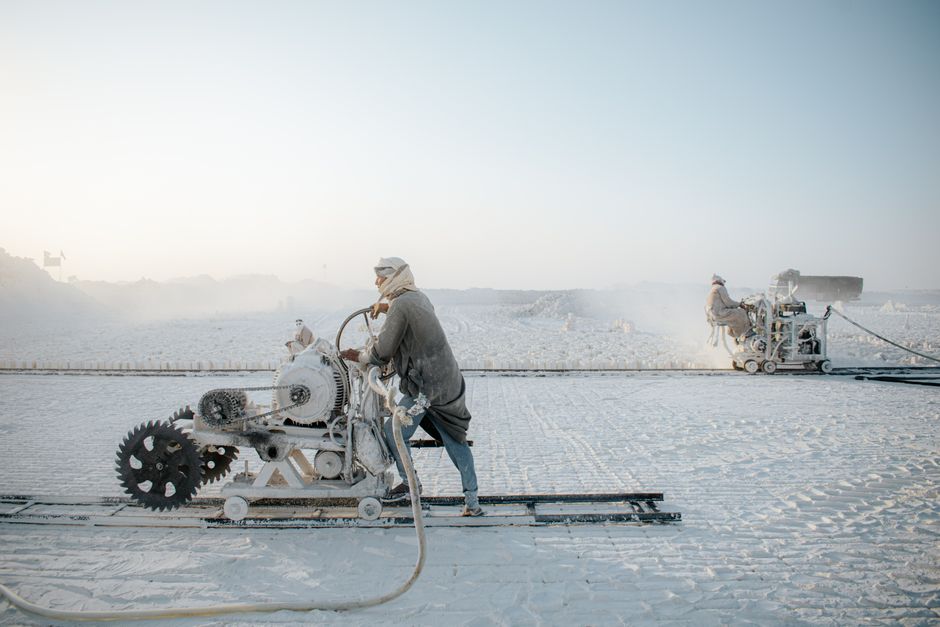
Augers and conveying equipment without isolation. Workers clearing blockages on live machinery is the scenario that keeps appearing in fatal accident reports. There is a simple hierarchy here: isolate, lock out, prove dead, then work. When that procedure does not exist in writing, does not get trained, and does not get enforced, someone eventually reaches into a running machine.
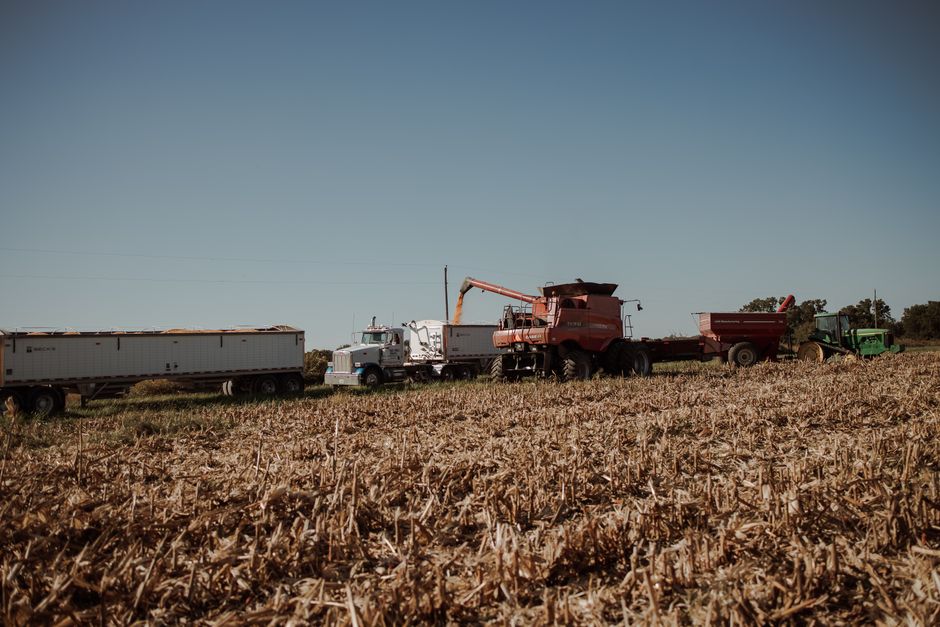
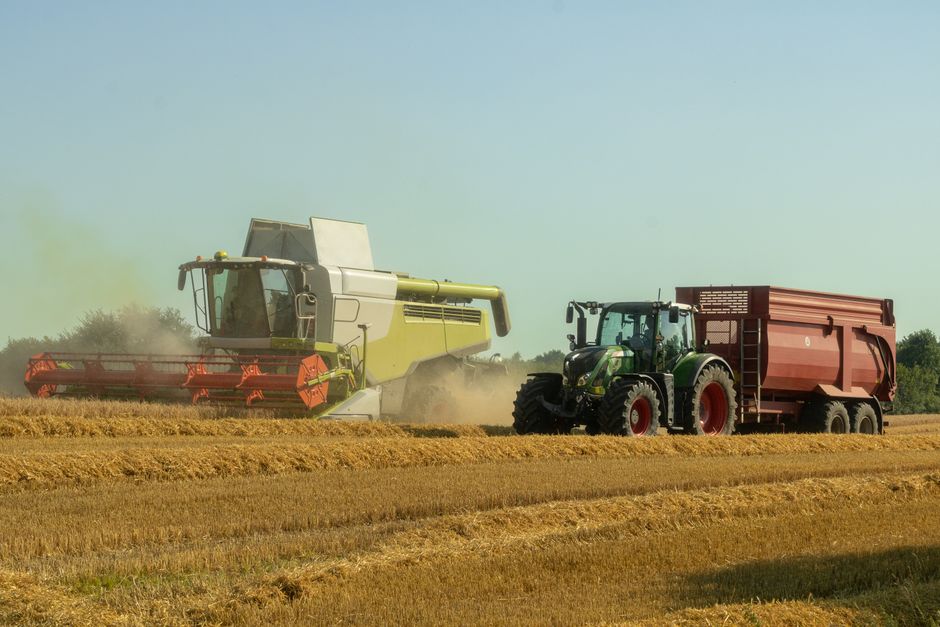
Reversing vehicles and blind spots. Farmyards are chaotic by design. Tractors, telehandlers, and grain trailers move in tight spaces where other workers are present. Convictions have followed incidents where no banksman system existed, where mirrors were inadequate, and where reversing cameras had never been considered. A reversing tractor does not know who is behind it.
Falls from height on farm structures. Grain stores, silage clamps, and old outbuildings create fall hazards that would trigger immediate prohibition notices on a construction site. On farms, they get walked past daily until someone goes through a fragile roof or off an unguarded edge.
The Legal Framework Companies Are Falling Foul Of
The Safety, Health and Welfare at Work (General Application) Regulations 2007 and the accompanying Use of Work Equipment Regulations are not suggestions. They require that machinery is suitable for its purpose, maintained in a safe condition, and that specific risks are controlled through guarding or safe systems of work.
The Safety, Health and Welfare at Work (Agriculture) Regulations 2014 go further, with explicit requirements around PTO shafts, rollover protection on tractors, and operator training. When an inspector arrives after a fatality and finds no maintenance records, no risk assessment for the machine involved, and no evidence of operator instruction, the prosecution writes itself.
Courts have shown limited patience for the argument that farming is inherently dangerous and accidents happen. They are imposing fines that reflect the severity of the breach, not the size of the business. A family farm company with three employees faces the same statutory obligations as a large agri-contractor.
Your Immediate Audit Priorities
You do not need a consultant to do this first pass. Walk the yard with this list.
Every PTO shaft on every piece of equipment. Guard present, undamaged, and actually covering the shaft. If it is missing or cracked, the machine does not work until it is replaced. That is the standard. Not "we'll get one ordered" but "it stops here."
Isolation and lockout on all powered conveying equipment. Augers, elevators, grain dryers. Is there a written procedure? Does the person who operates it know it, not in theory but in practice? Have you tested it under supervision?
Reversing management in the yard. Draw the routes. Establish where people should not be when vehicles move. A banksman system for tight manoeuvres. Mirrors and cameras are supplements, not replacements for a system.
Roof and structural integrity in older buildings. If you would not want to walk across it, put a barrier up and stop people going near it. Asbestos cement roofing sheets on buildings older than 30 years are a particular problem. They look solid. They are not.
Training records. Not the memory of training. The record. Who was trained, on what machine, by whom, and when. If you cannot show this to an inspector, you cannot demonstrate compliance.
The Audit You Are Legally Required to Have
A farm safety inspection is not a bureaucratic exercise. The HSA's farm inspection campaigns target exactly the failures that appear in the conviction reports, because they know where the deaths happen. If an inspector calls before you have addressed these issues, the conversation will be expensive.
The risk assessment for your farm machinery is not optional. It is a legal requirement under the 2005 Act, and it needs to be specific. "Tractor" is not a risk assessment. The task, the hazard, the control measure, and the person responsible are what makes a document useful rather than decorative.
The Turn
The farms facing prosecution are not run by reckless people who wanted workers hurt. They are run by people who knew the guard was missing and kept meaning to sort it, who never wrote down the isolation procedure because everyone just knew how it worked, who assumed the yard layout was fine because nothing had happened yet. Nothing happening yet is not a safety system. It is luck with a countdown on it.
Fix the PTO guards this week. Write the isolation procedure. Walk the yard with someone who will tell you what they actually see. The fine is the least of what you are trying to avoid.