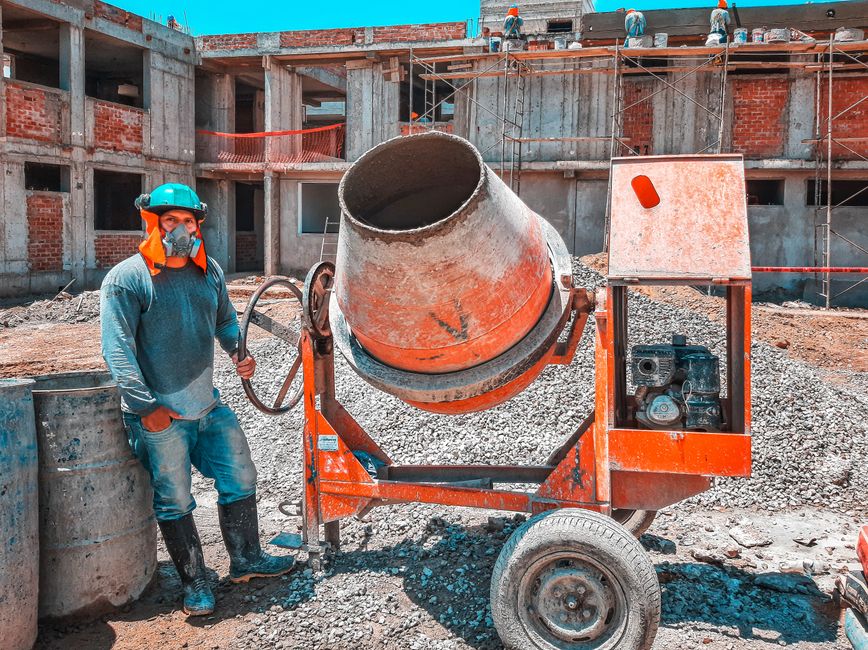
The youngest person in the crew is statistically the most likely to be killed by electricity on a construction site. That is not a coincidence. It is a system failure wearing a hard hat.
Data from the Health and Safety Authority consistently shows that workers under 25 are overrepresented in serious electrical incidents. They are new to the industry, often eager to prove themselves, frequently without a qualified tradesperson standing beside them, and handed induction paperwork that nobody read aloud and nobody checked was understood. Then they are sent to work near live systems, temporary supplies, and overhead lines that would kill any adult who touched them without proper training.
The age is not the problem. The treatment of young workers as fully competent adults on day one, without the supervision structures that competence actually requires, is the problem.
What the Incidents Have in Common
Look at any cluster of electrocution cases involving workers aged 16 to 25 and the same variables appear. First contact with a live source during a task that was not formally risk assessed for that individual. A supervisor who was elsewhere on site. A permit-to-work system that existed on paper but was not enforced. And an induction that covered slips, trips, manual handling, and fire exits, but treated electrical hazards as a single bullet point.
Overhead lines cause a significant share of these incidents. Overhead power lines and tree work carry risks that experienced workers know intuitively, because they have been around long enough to absorb that knowledge. A trainee on week two has no such instinct. The 415-volt temporary supply running through a site cabin, the unprotected distribution board, the extension cable with a damaged gland, these are invisible threats to anyone who has not been specifically trained to see them.
The second common factor is pace. Busy sites move fast. A young worker who asks a question slows things down. The culture on many sites, quietly and without malice, trains new starters to figure things out rather than ask. That culture kills.
Where Induction Is Failing
A statutory induction under the Safety, Health and Welfare at Work (Construction) Regulations 2013 is not optional. Every worker must receive site-specific safety information before they start work. But the regulation does not specify how long the induction must take, and it does not require verification that the worker understood it. That gap is where young workers fall through.
Handing a 17-year-old a ten-page induction pack and asking them to sign the last page is not induction. It is documentation. The difference matters in a courtroom, and it matters more on the site before anyone ever gets to a courtroom.
Effective electrical safety induction for young workers covers four specific things. The location and status of every live electrical system they might encounter. The visual indicators of temporary versus permanent supply. The exclusion zones around overhead lines, which under HSA guidance should be a minimum of 3 metres for systems up to 33kV. And the name and contact of the person they report to if something looks wrong. Not a general reporting procedure. A named person.
What Supervision Actually Means
Supervision for young workers is not a foreman being on the same site. It is a qualified person being physically proximate when the young worker is performing tasks near electrical hazards, and checking the output of that work before the next phase begins.
Under the Safety, Health and Welfare at Work Act 2005, employers have a specific duty to ensure that workers with less experience receive instruction and supervision appropriate to their competence level. That is not a soft obligation. An employer who places an 18-year-old in proximity to unprotected live electrical infrastructure without documented supervision appropriate to that worker's actual skill level is in breach, full stop.
The supervision gap is worst during the first three months. That is when incidents cluster. The trainee knows enough to start tasks independently but not enough to recognise when a task has moved outside their competence. Nobody has explicitly told them where that line is. Competent supervision names the line out loud, in plain language, on day one.
Practical Controls That Work
Buddy systems with named accountability. Every worker under 21 on a site with electrical infrastructure should have a named, competent supervisor responsible for their work. That name goes on the site plan. The supervisor signs off on tasks, not the general foreman who has seventeen other things happening.
Electrical hazard mapping on the induction walk. Walk the site. Point at the things that will kill. Do not use a diagram in a folder. Show the actual distribution board, the actual overhead line, the actual temporary supply point. Fifteen minutes of physical orientation is worth more than fifty pages of paperwork.
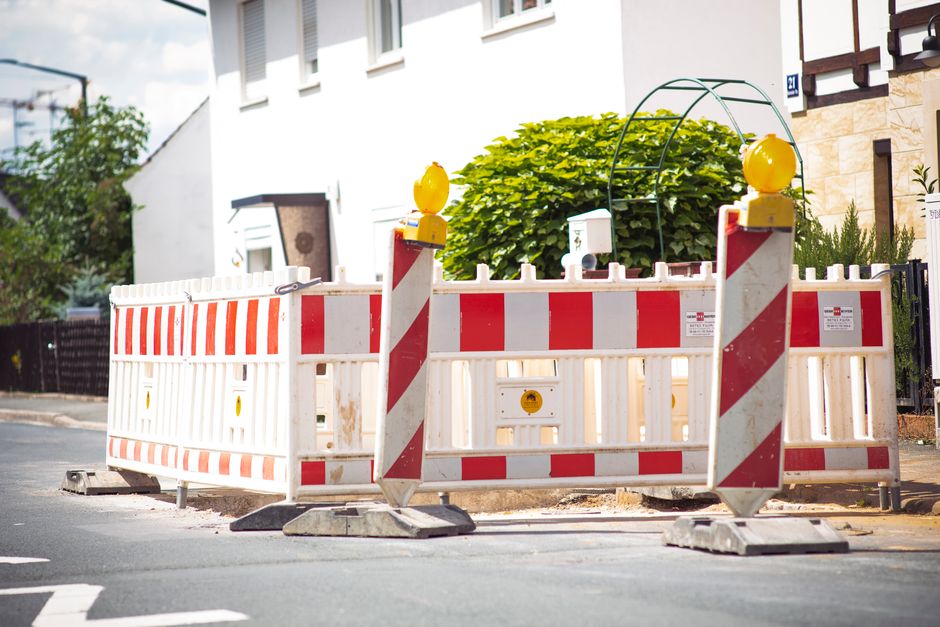
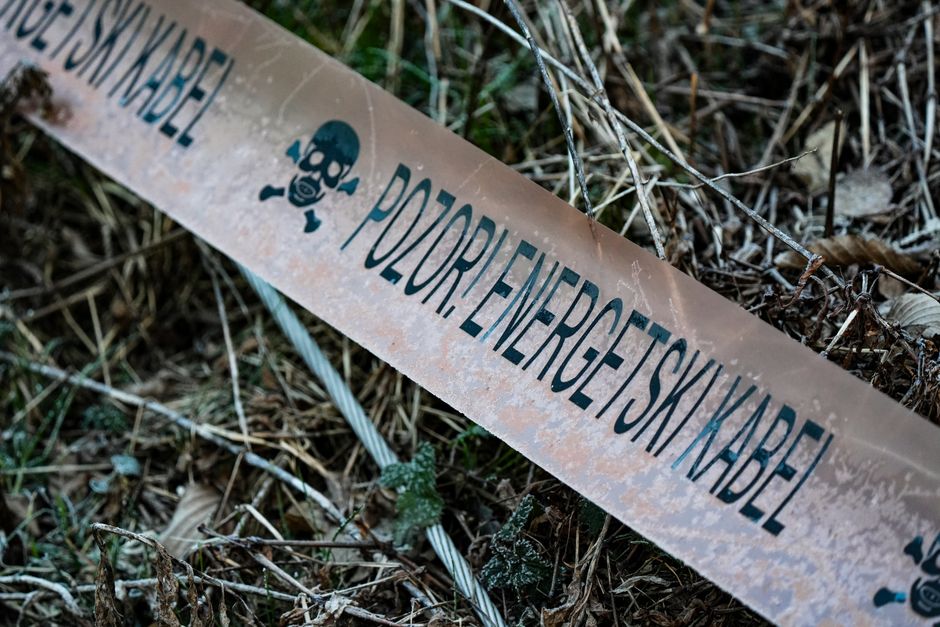
No-go zones with physical barriers, not just signage. Signage assumes literacy, attention, and enough context to understand the risk. Physical exclusion using barriers and locks removes the decision point entirely.
Competency verification before independent work. Before any young worker is permitted to work unsupervised in an area containing electrical infrastructure, they should demonstrate, not just state, that they understand the hazards. A verbal check takes three minutes. An electric shock in the field can end a life in less than one.
Escalation culture. Young workers need to know, explicitly and repeatedly, that stopping work and asking is valued. Not tolerated. Valued. That message has to come from the top of the site hierarchy, and it has to be modelled by senior workers who are seen doing it.
The Legal Exposure Employers Are Not Taking Seriously
An employer prosecuted following the electrocution of a young worker faces potential fines of up to €3 million per offence under Irish law, plus possible imprisonment for company directors. The reputational damage in a sector that runs on reputation is harder to quantify.
But beyond the legal arithmetic, there is a more straightforward point. A 19-year-old who dies on a construction site because nobody verified they understood not to work near a live distribution board did not fail. The system around them failed. Repeatedly, at every point where someone could have intervened and chose not to, or simply did not notice because the system contained no mechanism for noticing.
Age is not a safeguard and it is not a risk factor. How a site treats the people who know the least is the only variable that matters.
Build the supervision in before the induction is signed. The paperwork is the last step, not the first.