Somewhere on an Irish construction site right now, there is a recalled power tool in active use. Nobody on that site knows. That is not speculation.
Product recalls on cordless tools have become more frequent over the past three years. Battery thermal runaway, trigger faults, blade guard failures, chuck defects. The notices go out. Manufacturers post them on their websites. The Competition and Consumer Protection Commission (CCPC) publishes alerts. And on small sites where nobody has time to monitor manufacturer advisories, the tool goes back in the van and out again the next morning.
The problem is structural. Large contractors have procurement teams and equipment registers. Someone, somewhere, gets the recall email. Small sites, sole traders, two-to-five person crews, they buy their tools from hardware chains and online marketplaces. The retailer may not contact them. The manufacturer may not have their details. The CCPC notice sits online, unread. And if a worker is checking the hidden dangers in equipment they carry every day, they are usually looking at wear and damage, not recall status.
Why Small Sites Miss Recalls
The recall system in Ireland depends heavily on registration. If a tool was bought unregistered, the manufacturer cannot notify the buyer directly. Most cordless tools sold through mainstream retailers like Screwfix, Woodies, or Amazon are never registered by the end user.
Retailers are required to display recall notices and, where possible, contact purchasers directly. In practice, this works reasonably well for large appliances bought on account. For a drill bought with cash or a no-account online order, the trail goes cold fast.
The CCPC publishes all product safety recalls at ccpc.ie. The European Safety Gate rapid alert system feeds into this. The information is there. The gap is that nobody on a small site has a process for checking it.
What Gets Recalled and Why It Matters On Site
Cordless tool recalls in recent years have covered:
- Battery packs that overheat during charging or use, with fire and burn risk
- Angle grinders with disc guard failures or spindle lock faults
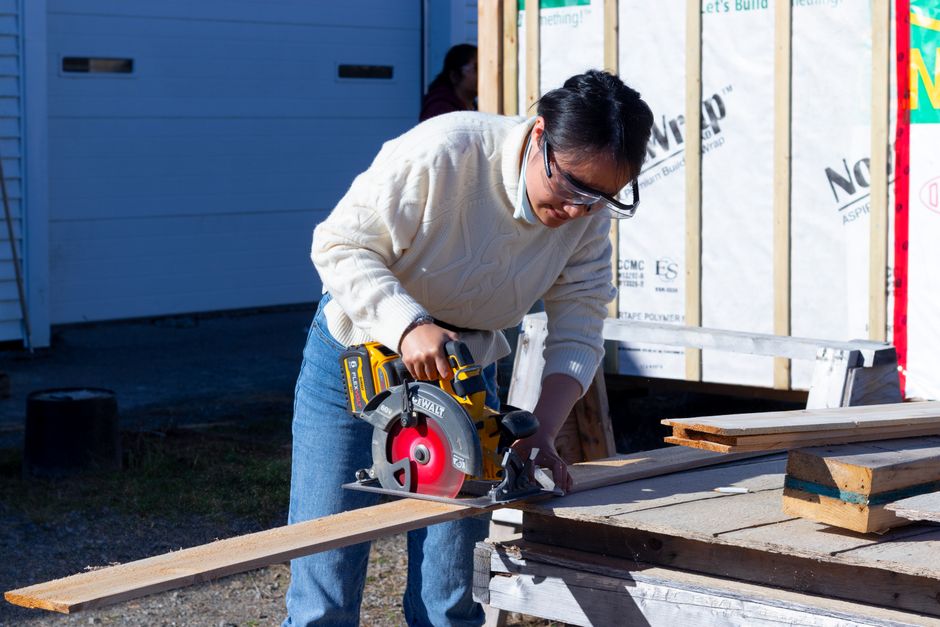
- Circular saws with blade braking defects
- Drills and drivers with trigger mechanisms that can activate unexpectedly
- Reciprocating saws with blade clamp failures
An overheating battery in a van overnight is a fire risk. A disc guard that fails mid-cut is a laceration or worse. These are not edge cases. Battery thermal events in particular have increased alongside the explosion in lithium-ion cordless tools across the market.
The brands involved are not always cheap imports. Several recalls in the past 24 months have covered tools from well-known professional ranges sold in mainstream outlets across Ireland and the UK.
How to Check Your Site's Tools Today
This takes under an hour. Do it once, then build it into your equipment register.
Step 1: List every cordless and power tool on site. Brand, model number, serial number if available. The model number is usually on a label on the tool body, not just the box.
Step 2: Check the CCPC recall database. Go to ccpc.ie and search under Product Safety Recalls. Filter by category. Check tool brands and model ranges against current and recent recalls.
Step 3: Check the manufacturer's website directly. Most manufacturers maintain a recall or safety notice page. Search the brand name plus "recall" or "safety notice" and the model number.
Step 4: Check the EU Safety Gate portal. This covers recalls across the EU and is updated continuously. If a tool was sold in Europe, any recall should appear here.
Step 5: If you find a match, stop using the tool. Do not wait. Take it out of service, label it clearly, and follow the manufacturer's return or repair process.
Building a System That Catches the Next One
A one-off check is better than nothing. A system is what actually protects workers.
Register tools at purchase. Many manufacturers offer extended warranty on registration. That is the hook. The real benefit is that you get onto the notification list for recalls. Make tool registration a condition of purchase for site equipment.
Add recall checking to your equipment inspection schedule. Most sites already have some form of inspection for tools and plant. Add a quarterly recall check to that process. It is a 20-minute job if the tool register is up to date.
Assign it to someone specific. A task with no owner does not get done. The site manager, the safety officer, whoever holds the tool register, that person does the recall check. Put a name on it.
Check before buying second-hand. A recalled tool bought used from a marketplace is still recalled. Run the model number through the CCPC database before purchase.
Keep receipts and packaging. The model number and batch code on the box are what connect a tool to a specific recall batch. Without them, you may not be able to confirm whether a tool is affected.
What the Law Says
Under the Safety, Health and Welfare at Work Act 2005, employers have a duty to provide safe equipment. Using a recalled tool, once a recall has been issued, is a breach of that duty. The fact that you did not know about the recall is not a complete defence if a court finds that a reasonable employer would have known. The information is publicly available. The process for checking it is straightforward.
If a worker is injured by a recalled tool and it emerges that the recall was issued months earlier, the employer's position in any subsequent investigation or prosecution is very difficult. This is not a distant theoretical risk. It is exactly the kind of gap that shows up in incident investigations where machinery blind spots prove fatal.
The Bigger Picture
Product recalls work when they reach the people using the product. For large consumer goods, the system manages this reasonably well. For power tools on small construction sites, it fails routinely. The gap is not malice. It is a system designed around registered purchasers, applied to an industry that mostly buys tools without registering them.
The fix is not complicated. It is an equipment register, a named person, a quarterly check, and a habit of registering tools at purchase. That is it.
The tool that injures someone next month may already have a recall notice attached to it. Check this week.