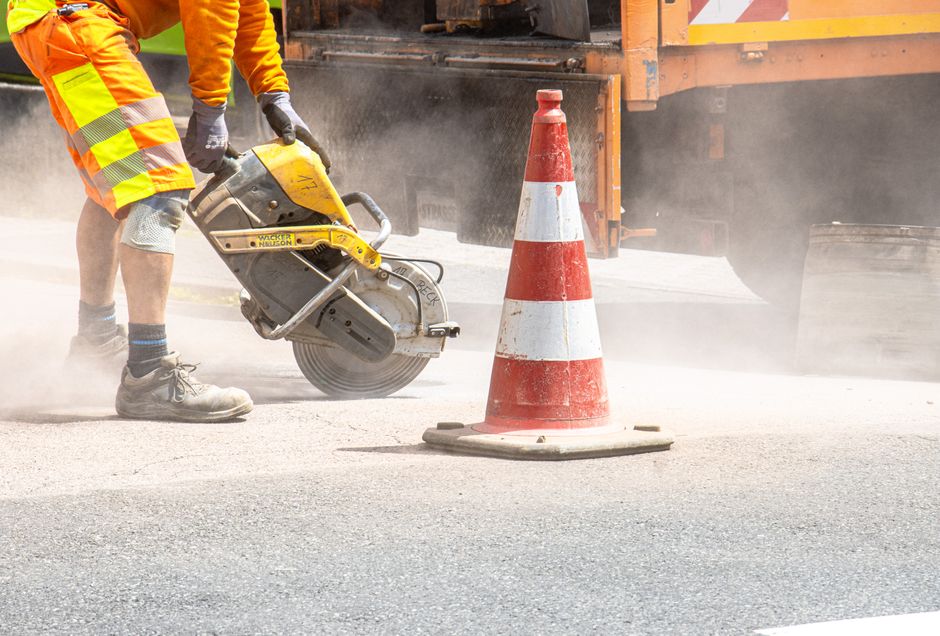
Cutting concrete without water suppression on a Tuesday morning. Someone's lungs taking the hit. No fine yet, no prosecution yet, no funeral yet. That's the problem with silica dust. The consequences are always somewhere in the future, until suddenly they're not.
Ireland's construction sector has had every warning it's going to get. The Health and Safety Authority has run targeted silica dust campaigns, issued guidance, trained inspectors, and publicised prosecutions. The era of not knowing ended years ago. What's happening now is something else: sites that know the rules and choose to take the risk anyway, betting that inspectors won't show up this week.
It's not a bet worth taking. Fines for dust-related breaches now regularly land in the €30,000 to €100,000 range. Criminal convictions carry fines above that and can put company directors in court. Meanwhile, silicosis in 2026 is killing workers in their thirties and forties from exposures that happened a decade ago on sites where nobody bothered to wet the block before cutting it.
What Silica Actually Is and Why Construction Is the Problem
Respirable crystalline silica sits inside concrete, stone, brick, mortar, and sand. When you cut, grind, drill, or scabble those materials, you release particles fine enough to travel deep into the lung. The body cannot shift them. Over years, the accumulation triggers silicosis, an irreversible scarring of lung tissue. It also raises the risk of lung cancer significantly.
Construction is the highest-exposure industry in Ireland. Road workers cutting kerbs. Groundworkers drilling through sandstone. Blocklayers cutting hundreds of units a day with a dry angle grinder. The dust is invisible at the concentrations that cause harm. Workers feel fine for years. That feeling is lying to them.
The legal exposure limit in Ireland is 0.1 milligrams per cubic metre as a time-weighted average over an eight-hour shift. That figure is stricter than it used to be, and the HSA has made clear it will enforce it.
What an Inspection Actually Looks Like
HSA inspectors visiting construction sites under a silica campaign are not doing a general audit. They arrive with a specific checklist and they know what evasion looks like.
They will check whether a silica risk assessment exists in the safety statement and whether it actually names the tasks and materials on that specific site. A generic template downloaded from the internet, with nothing site-specific added, fails this check every time.
They will look at whether engineering controls are in place before anything else. That means:
- On-tool water suppression for grinding and cutting
- Local exhaust ventilation (LEV) for indoor work, bench cutting, and breaking
- Wet methods for drilling into masonry and concrete
If those controls are absent or broken, the inspector has grounds to issue an Improvement Notice or a Prohibition Notice on the spot. A Prohibition Notice stops the work immediately. The site does not argue its way out of one of those with a promise to fix it later.
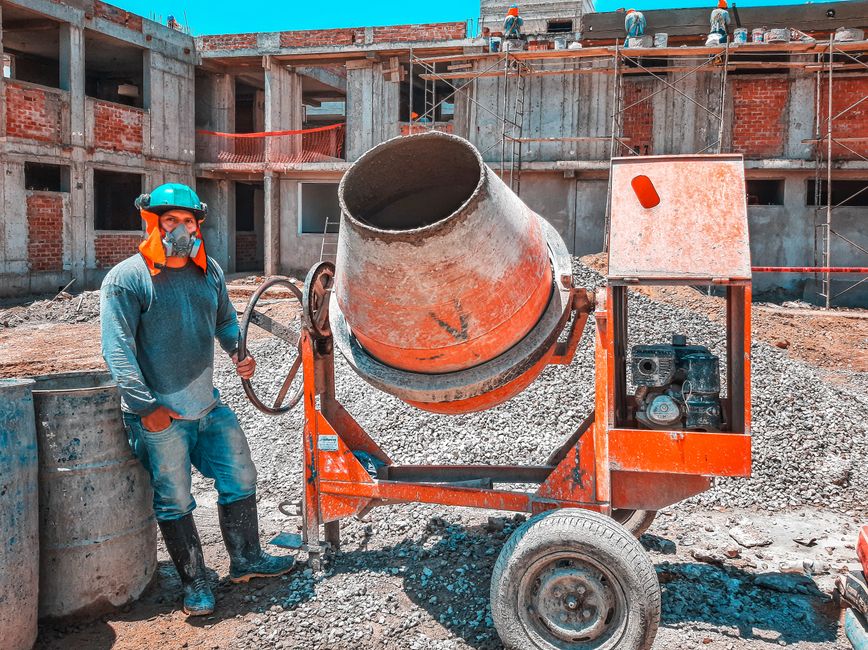
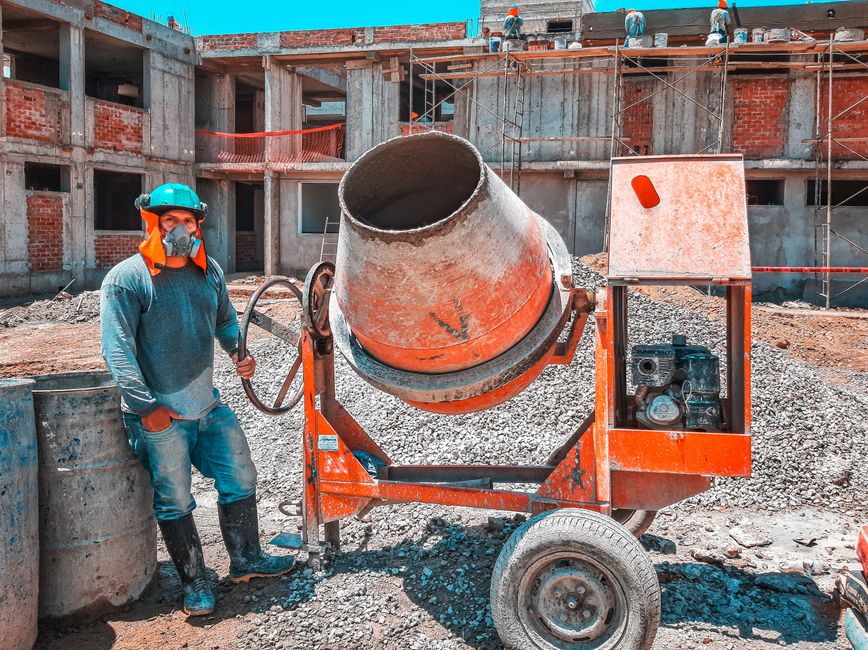
They will check respiratory protective equipment. RPE is the last line of defence, not the first. An inspector who sees workers in dust masks while cutting dry stone will not give credit for the masks. The question is why the dry cutting is happening at all. If it is happening because the water suppression kit broke yesterday, the follow-up question is why work continued regardless.
They will ask about health surveillance. Workers regularly exposed to silica should be enrolled in a health surveillance programme. That means periodic lung function testing and a record of results over time. Many contractors have never heard of this requirement. Inspectors are tired of hearing that.
The Fine Structure and What Courts Have Done
The Safety, Health and Welfare at Work Act 2005 sets the maximum fine on summary conviction at €5,000 per offence, with up to 12 months in prison. On indictment, that rises to €3 million per offence. In practice, the cases that have made headlines involve companies fined between €30,000 and €100,000 after multiple breaches across a site, sometimes with additional civil claims running alongside.
The HSA does not need a fatality or a diagnosed illness to prosecute. A breach of the regulations during an inspection is sufficient. When contractors cut corners, the fines now regularly break six figures and courts have shown little patience for the argument that the company was unaware of its duties.
Directors and senior managers face personal liability. If a company's failure is linked to decisions or neglect at director level, the individual can be charged alongside the company. That is not a theoretical risk. It has happened in Ireland.
The Hierarchy of Controls. In the Right Order
Contractors who want to stay compliant need to stop treating RPE as the primary control. Enforcement follows the hierarchy set out in the Chemical Agents Regulations and the Construction Regulations. That hierarchy is not a suggestion.
Elimination or substitution comes first. Can you use a pre-cut block? Can you specify low-silica content materials? Often not, but you must document that you considered it.
Engineering controls come second and they are non-negotiable. Water suppression on angle grinders, on core drills, on disc cutters. LEV on bench saws and in enclosed spaces. These need to be maintained and records kept showing they work.
Organisational controls come third. Rotate workers to limit individual exposure time. Schedule high-dust tasks for times when fewer workers are in the vicinity. Set up exclusion zones around dry cutting.
RPE comes last. FFP3 disposable masks or half-face respirators with P3 filters are the minimum for silica work. FFP2 does not cut it. Masks must fit-tested, stored properly, and replaced regularly. A crushed mask hanging off a nail in the site cabin fails on every count.
What the HSA Campaigns Have Changed
The HSA's targeted enforcement campaigns on silica, running in multiple phases over recent years, have changed one thing above all else. Inspectors now come to silica inspections with specific technical knowledge. They know what on-tool suppression looks like when it's working and when it's been taped over to stop it getting things wet. They know what a genuine health surveillance programme looks like versus a paper exercise. They are not impressed by folders.
The campaigns have also raised the bar on what courts expect of employers. A few years ago, some defence teams could plausibly argue that industry guidance was unclear. That argument is gone. The HSA's construction sector guidance on silica is explicit, publicly available, and has been communicated to every significant industry body in Ireland. Ignorance is no longer a mitigating factor. In some cases, it has been treated as an aggravating one.
The Simple Version
You have workers cutting stone or concrete. You need water suppression on the tool, or LEV, or both depending on the task and the space. Your workers exposed to silica regularly need to be in a health surveillance programme. Your safety statement needs to name silica, name the tasks, and show how you are controlling it. Your RPE needs to be the right grade, properly fitted, and actually worn.
If an inspector walks on to your site tomorrow and finds dry cutting with no controls, you are not looking at a warning letter. You are looking at a Prohibition Notice, a potential prosecution, and a fine that will hurt. The dust will not wait for you to get your paperwork in order. Neither will the HSA.