A worker goes down on a busy Irish construction site. His crewmates know where the first aid kit is. Nobody knows how to use what's in it, and the nearest trained person is on a different level of the building with their phone on silent.
This is not a hypothetical. It is a pattern. And the gap between a survivable injury and a fatality is often measured in minutes, not in the severity of the incident itself.
What the Law Says (And Where Sites Stop Reading)
The Safety, Health and Welfare at Work (General Application) Regulations 2007 require employers to provide first aid equipment and trained personnel appropriate to the size and nature of the workplace. For construction, the Construction Regulations 2013 layer additional requirements on top. The HSA is explicit: the number of trained first aiders, the contents of the kit, and the accessibility of both must reflect the actual risk on that site.
In practice, many sites treat this as a box-ticking exercise. One trained person for a crew of 30. A kit bolted inside a site cabin nobody unlocks before 8am. A first aid register that lists someone who left the project six weeks ago. The paperwork says compliant. The reality is anything but.
Why Construction Injuries Are Different
A cut finger in an office is unpleasant. A crush injury on a construction site is a time-critical emergency where the first five minutes determine whether someone loses a limb or keeps it. Falls from height, scaffold collapses and falling materials, crush injuries from plant, and electrocution all produce trauma that standard first aid courses cover in theory but that most site workers have never applied under pressure.
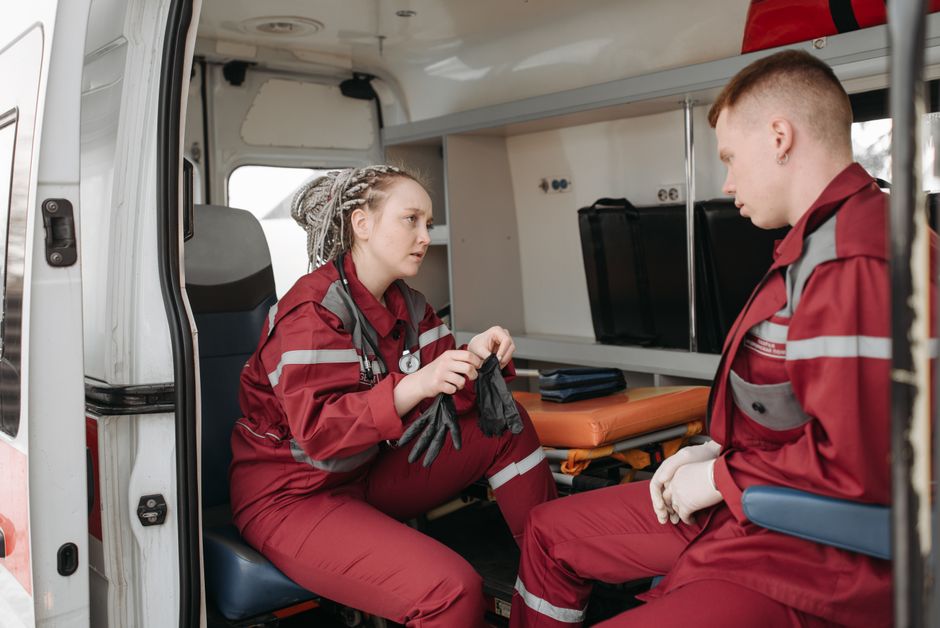
Severe haemorrhage from a degloving or crush injury will kill in under ten minutes without direct intervention. CPR following cardiac arrest from electrocution needs to start within four minutes for meaningful survival odds. Ambulance response times in urban Irish sites average eight to twelve minutes. In rural areas, you are looking at twenty minutes or more.
That arithmetic is not complicated. Somebody on site needs to know what to do before the paramedics arrive, and severe bleeding will not wait for the ambulance.
What a First Aid Champion Actually Is
Not a title. Not someone who sat through a half-day course three years ago and got a laminated card. A genuine site first aid champion is a person who knows the specific risks on their project, keeps their training current, has equipment that matches those risks, and is genuinely reachable during working hours.
The champion model works because it creates ownership. When one person is accountable for the first aid function rather than everyone assuming someone else has it, things actually happen. Kits get checked weekly. Training gets refreshed. The muster point for emergencies is known by the whole crew, not just management.
On any site with more than 20 workers, you need a minimum of two trained first aiders present at all times, covering shift changes and lunch breaks. On a large civil engineering project, that number should be significantly higher, and at least one person should have construction-specific trauma training rather than generic occupational first aid.
The Kit Problem
A standard first aid kit issued to a site will handle minor lacerations and maybe a sprained ankle. It will not handle a traumatic amputation, a penetrating wound from rebar, or a worker in anaphylaxis. If your site involves heavy plant, cutting equipment, or work at height, your kit needs to reflect that.
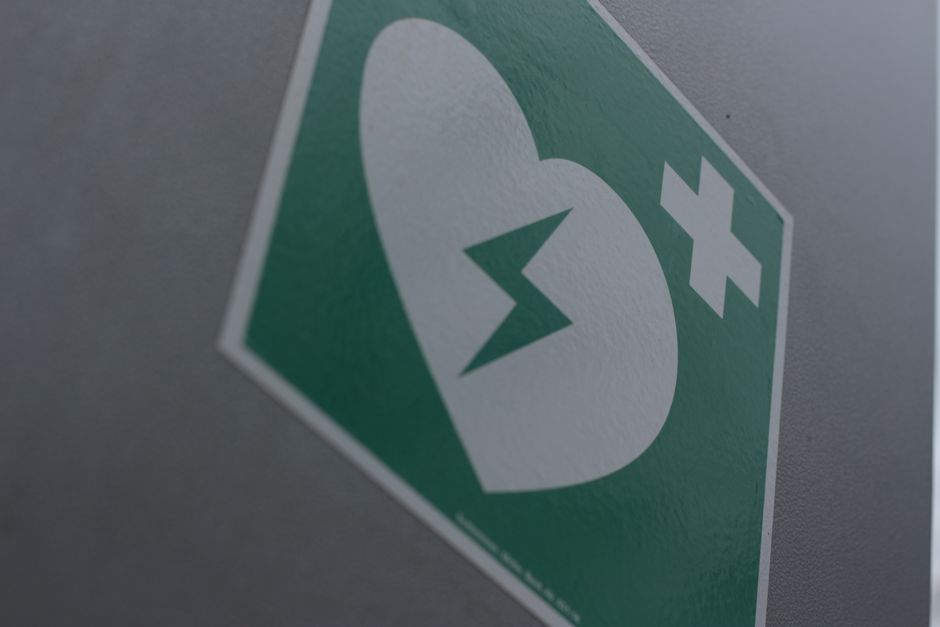
At minimum, a construction site kit should include tourniquets, haemostatic dressings, foil blankets, and a pocket mask for CPR. An AED within 90 seconds of any work area is no longer a luxury. You should also know what it does not contain and have a clear protocol for the gap. If your site is 40 minutes from the nearest hospital, that protocol needs to be very specific about what your first aider does while waiting.
The Response Plan Nobody Writes Down
Every site has an emergency plan. Most of them describe who to call and which direction the site entrance faces. Very few describe what to do in the two minutes after a serious incident and before the call is even made.
Who takes charge at the scene? Who calls the emergency services while the first aider works? Who clears the area? Who meets the ambulance at the gate and guides them in? Who secures the plant and makes the area safe? On a good site, those questions are answered in advance. On most sites, they get answered badly in the moment by whoever shouts loudest.
Run a drill. It takes an hour. It will expose every gap in your response plan without anyone getting hurt in the process.
The Supervisory Failure Nobody Wants to Admit
Site managers know who their first aider is. They often schedule that person for overtime, night shifts, or jobs on other parts of the site without thinking about first aid coverage. When something happens, the trained person is not there and nobody noticed the gap.
The first aid champion model fixes this by building coverage into shift planning rather than treating it as an afterthought. The same discipline that goes into crane schedules and concrete pours needs to go into making sure trained first aid cover exists at every point in the working day.
The Turn
Every serious incident on an Irish construction site that resulted in a fatality where first aid could have made a difference follows the same anatomy: someone went down, the people around them wanted to help but did not know how, and the window closed before professional help arrived. The investigation report always identifies it. The next site rarely learns from it.
A first aid champion does not prevent the incident. They change what happens in the minutes after it. On a site where the work carries genuine risk of life-threatening injury, that is not optional. It is the only rational response to the environment you have created.