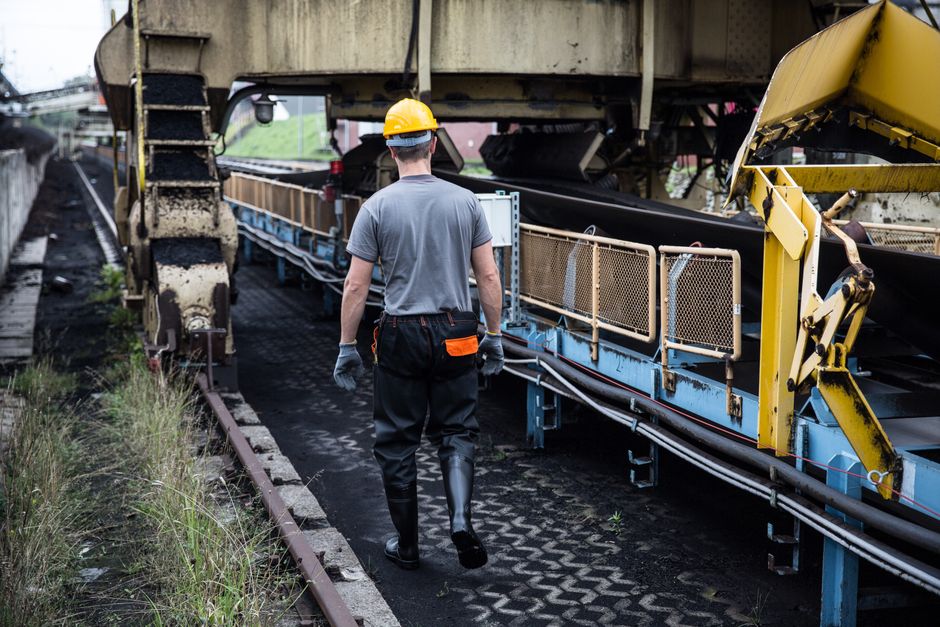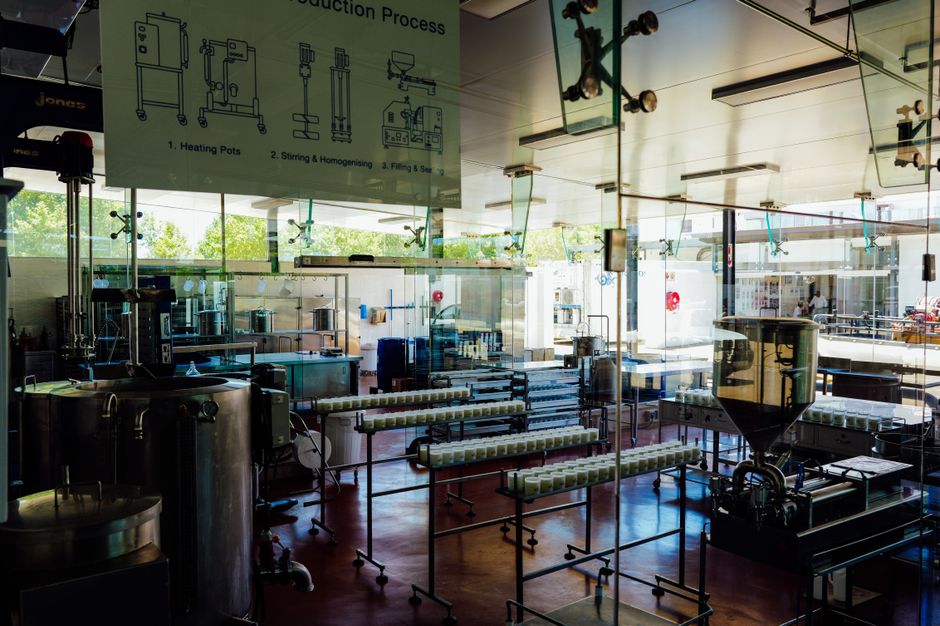
A bakery. A meat plant. A dairy facility. Three different sites, three different incidents, one identical root cause: nobody trained the person doing the job.
That pattern is showing up in HSE prosecution records with depressing regularity. Fines are landing in the €150,000 to €300,000 range. In the worst cases, companies face criminal conviction on top of civil liability. And the training records, when inspectors ask for them, either don't exist or show a staff member ticking a box on a form they never actually completed.
What Inspectors Find First
When an HSE inspector arrives at a food processing facility, the first thing they want is paperwork. Not because paperwork saves anyone, but because the absence of it tells them everything about the culture inside.
They will ask to see your safety statement, your risk assessments, your training records, and your induction logs. If a worker has been on the floor for three months and has no documented training on the machinery they operate every shift, that is a Section 19 breach of the Safety, Health and Welfare at Work Act 2005 before anyone even looks at the equipment itself.
In bakeries specifically, recent prosecutions have centred on workers using dough processing equipment, mixing machinery, and conveyor systems without any recorded instruction on isolation procedures. The workers knew roughly what to do. They just had no formal training. No record. No sign-off. That gap costs companies dearly.
The Checklist: Before an Inspector Arrives
Work through this list now, not the week after a near-miss.
Induction training Every new employee needs documented induction covering the specific hazards of your site. Generic food hygiene e-learning does not cover machinery safety. Separate records, separate sign-offs.
Machinery-specific training Each piece of equipment your staff operate needs its own training record. Conveyor belts, slicers, mixers, portioning machines, wrapping lines. Name the machine, name the operator, date the training, record who delivered it. A gap here is what turns an incident into a prosecution. The pattern behind conveyor belt incidents in food processing is almost always the same: no formal training on isolation, and a blockage that needed clearing.
Lockout/tagout (LOUT) procedures Documented isolation procedures for every machine with moving parts. Not a laminated sheet on the wall that nobody reads. A procedure that is trained, tested, and signed off. Inspectors will ask workers to describe what they do before clearing a blockage. If the answer does not match your written procedure, you have a problem.
Manual handling Legally required for any job involving repetitive lifting, carrying, or awkward postures. Food production is full of these tasks. Records must show the date, the trainer's name, and the employee's signature. Generic online certificates with no site-specific content will not satisfy an inspector.
PPE training Issuing PPE is not the same as training people to use it. Your records need to show that employees were trained on correct use, fit, limitations, and when to replace it. Cut-resistant gloves for knife work. Chain mail for butchery. Hearing protection in high-noise packing areas. All of it documented.
Language and literacy This one gets missed constantly. If a significant portion of your workforce speaks English as a second language, your training delivery needs to account for that. An inspector will ask workers directly about procedures. If they cannot explain what they were taught, the training did not happen in any meaningful sense. Translate your materials. Use bilingual trainers. Record how you addressed this.
Refresher training schedule Initial training is not permanent. Manual handling refreshers are typically required every three years at minimum. Machinery training should be refreshed when processes change, when new equipment arrives, or after any incident. If your records show everyone was trained in the same week four years ago and nothing has happened since, that is a red flag.
Competency verification Training delivery is not the same as competency. Your system needs to show how you verified that the training actually worked. Observation records. Practical assessments. Supervisor sign-offs. Something that demonstrates the person can do the job safely, not just that they sat through a presentation.
The Specific Risks Inspectors Target in Food Processing
Beyond the paperwork, inspectors look at physical conditions. In food manufacturing, the high-risk areas are predictable.
Conveyor systems account for a significant share of serious injuries in the sector. Nip points, in-running traps, and exposed drive mechanisms all need guarding. Guards must be in place, functional, and interlocked where required. Repetitive injuries in food manufacturing often point to equipment that was guarded once, then the guard was removed for cleaning and never replaced.
Slicers and portioning equipment carry obvious amputation risk. The inspection question is not whether guards exist but whether workers have been trained to never operate the machine without them and whether that training is on record.
Cleaning shift hazards get overlooked almost everywhere. The cleaning crew, often on nights, often agency staff with high turnover, frequently has the worst training documentation on site. They are also the people most likely to access machinery internals during their shift. This is where incidents happen.
Cold stores and temperature-controlled environments create additional risks around slips, fatigue, and respiratory exposure. Your risk assessment needs to address cold working specifically. Staff working in environments below 10 degrees Celsius need specific training on the hazards and controls.
The Agency Staff Problem
Food processing relies heavily on agency and temporary workers. This is where training records collapse most visibly.
The legal position is clear. Under Irish law, host employers are responsible for the health and safety of agency workers on their site. The agency providing training before placement does not remove your obligation to verify competency, provide site-specific induction, and maintain your own records.
If an inspector finds an agency worker operating a dough mixer with no record of site-specific training, the prosecution lands on the food processor, not the agency. Build this into your onboarding process. Every agency worker, on day one, goes through your induction and gets documented.
The Turn
The companies that get prosecuted are rarely reckless. Most of them believe their training is adequate. The problem is that belief is not a record, and an inspector cannot verify belief. What they can verify is a dated document with a signature on it. If you cannot produce that, you lose the argument before it starts.
Run this checklist before the next inspection. Fix what is missing. The cost of getting this right is a few days of administration. The cost of getting it wrong is visible in the prosecution register.