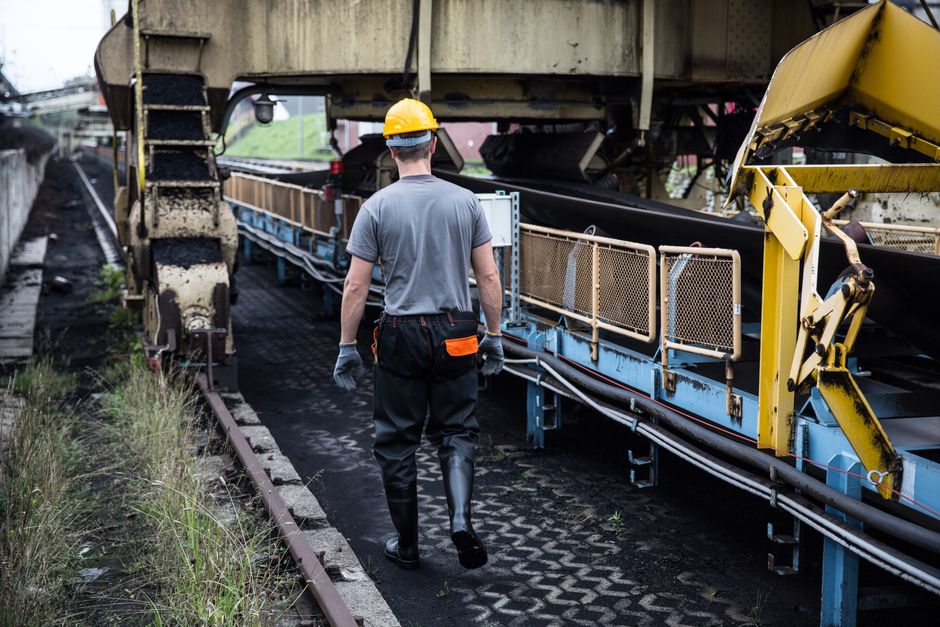
The conviction lands in the news. The fine gets reported. Then everyone moves on. Except the people who were there.
Fatal workplace prosecutions have become more visible in Ireland over the past few years. The HSA is more active. Courts are handing down larger fines. Employers are being held criminally accountable. All of that is overdue. But the courtroom narrative has a blind spot: it focuses entirely on what happened before the incident, not on what the surviving workforce carries afterwards.
There is a category of workplace injury that never appears in an accident report. No bones broken, no blood drawn. Colleagues who witnessed a fatal incident, or who worked alongside someone who did not come home, are living with something that can become as debilitating as any physical trauma. PTSD, depression, chronic anxiety, hypervigilance at work. These are not dramatic reactions. They are normal responses to abnormal events, and they need structured support, not a speech from HR and a leaflet about the Employee Assistance Programme.
What the Research Actually Shows
Exposure to a serious workplace incident, including witnessing an injury, discovering an unconscious colleague, or being part of an emergency response, can trigger acute stress reactions in the hours and days that follow. For some people, that resolves. For others, particularly those with prior mental health vulnerability or without adequate support, it develops into something chronic.
Occupational psychologists estimate that between 10 and 30 percent of people directly exposed to a traumatic workplace event will develop clinically significant symptoms. In high-risk industries like construction, agriculture, and manufacturing, where serious incidents are statistically more common, that percentage matters. Your team is not immune.
The signs are rarely obvious. A worker who becomes withdrawn, irritable, hypervigilant around machinery, or who starts calling in sick on the days closest to where the incident occurred is showing you something. Fatigue, concentration problems, nightmares, and a general flattening of mood are all worth taking seriously. Most supervisors are not trained to read them, which is how years pass before anyone connects the dots.
The Legal Landscape in Ireland
The Safety, Health and Welfare at Work Act 2005 includes psychological health within its definition of employee wellbeing. This is not ambiguous. Employers have a duty to manage risks to mental health, including foreseeable risks arising from traumatic workplace events.
The Health and Safety Authority can and does cite failures in this area. More practically, civil litigation following a workplace trauma, where an employer failed to provide adequate psychological support, is a growing area. The €95,000 criminal negligence cases that have made headlines recently are the visible part of the iceberg. The machinery incidents that become criminal negligence cases share a pattern: the physical hazard was the proximate cause, but the systemic failures ran much deeper. Mental health provision is now part of that systemic picture.
What Good Post-Incident Support Actually Looks Like
This is not complicated, but it requires intention. Nobody stumbles into doing it well.
Immediate response, within 24 to 72 hours. Do not hold a company-wide meeting and tell people to look out for each other. That is not support. Make a trained person, ideally someone with mental health first aid training, available to each individual who was involved or witnessed the event. Keep it voluntary. The goal is contact, not forced processing.
Structured follow-up at two weeks and six weeks. Acute stress reactions that are going to develop into something longer-term usually show themselves in this window. Line managers need to know what to watch for and how to raise it without making someone feel surveilled or fragile.
Access to professional support. An Employee Assistance Programme that offers six free counselling sessions is a start, but it is not enough if the sessions are hard to book, remote only, or with someone who has no understanding of occupational trauma. The quality of the referral pathway matters as much as its existence.
Trauma-informed return to work. If someone has been signed off, the return conversation needs to address the psychological dimension, not just the physical. Where in the building did the incident happen? What tasks were involved? A phased return that ignores these questions will likely fail.
Peer support structures. Some organisations have found genuine value in training a small group of employees as peer supporters. Not therapists. Not people who offer advice. People who can sit with a colleague and say "that was bad, I know it was bad" without immediately trying to fix anything. It is undervalued and underused.
The Manager Problem
Most line managers in Irish workplaces are completely unprepared for post-incident psychological support. They are trained in physical emergency response, sometimes, and in reporting procedures. They are not trained in how to have a conversation with someone who cannot stop seeing what they saw.
Mental health first aid in the workplace is one part of the answer. It does not make managers into therapists. It gives them a framework for having difficult conversations, knowing when to refer on, and not making things worse by saying the wrong thing at the wrong moment. The wrong thing, for the record, is "sure you're grand, back on the horse."
Building this into incident response plans is straightforward. The physical response protocol is already documented. Add a parallel psychological response protocol beside it. Who makes contact with affected staff? By when? Who has the authority to arrange immediate counselling access? These decisions should not be made on the day by someone who is also managing the HSA notification.
The Silence Tax
There is a cost to doing nothing, and organisations pay it over years rather than in one visible hit. Turnover increases among people who witnessed an incident and felt abandoned. Presenteeism means people show up but function at a fraction of their capacity. Sick leave patterns change. Sometimes the whole team's relationship to safety changes, and not always in the direction you would want. Workers who feel their employer does not care about their inner lives are also workers who stop reporting near misses.
This is the hidden cost that never appears in the prosecution report. The fine, the legal fees, the reputational damage. Those are accounted for. The slow unravelling of a team that never got adequate support is not. It shows up in your HR data two years later, if you are looking.
The incidents that end in criminal convictions are the worst outcomes. But trauma does not require a fatality to do lasting damage. A serious injury, a near miss that was genuinely close, a colleague collapsing on site. All of it lands on the people who were present, and all of it deserves a response that takes the psychological dimension as seriously as the physical one.
The body goes home. The mind stays on site longer than anyone wants to admit.