The warning arrives at 06:14. Your crew left the pier at 05:50. That gap is where people get into serious trouble.
Met Éireann issues small craft warnings when sustained winds are forecast to reach Beaufort force 6 or above, roughly 22 to 27 knots, over coastal and inshore waters. These warnings are publicly available, updated regularly, and completely useless if nobody on your team checks them before departure. The information exists. The system to act on it often does not.
What Force 6 Actually Means on the Water
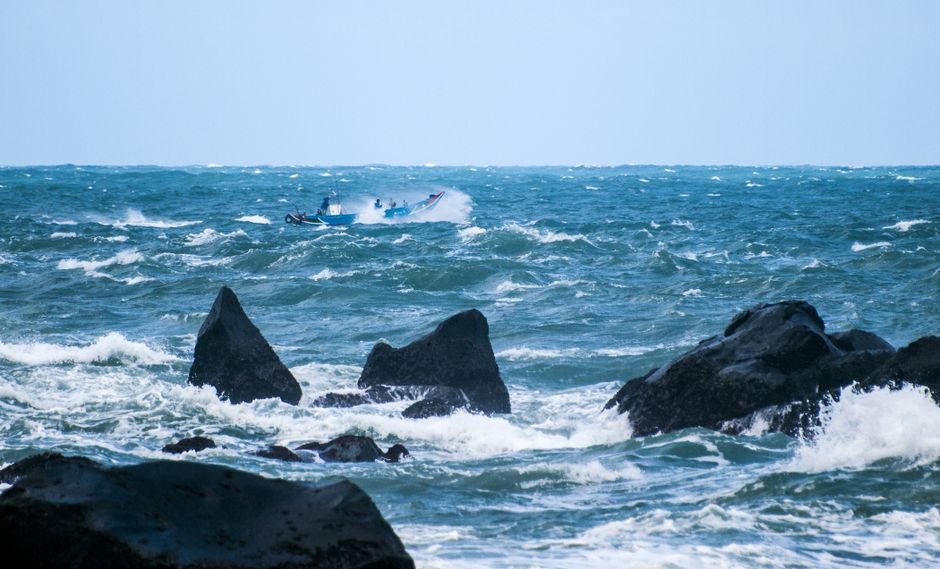
Force 6 is not dramatic. No waterspout, no wall of black cloud rolling in from the Atlantic. It is a stiff breeze, 1.5 to 2.5 metre wave heights, white crests everywhere, and a small open vessel that becomes genuinely difficult to control. Add a loaded work deck, fatigue, cold hands, and a skipper who committed to the job three days ago, and you have an incident in the making.
The Marine Casualty Investigation Board has documented cases where crew were aware conditions were deteriorating but departed anyway because the schedule, the client, the tide, or the catch made turning back feel like the wrong call. That is a cultural failure before it is an operational one.
Why the Timing Problem Is Structural
Met Éireann updates coastal and inshore forecasts multiple times daily. The information is there. The gap is in how marine employers build that information into departure decisions.
Most fishing and marine contracting operations run on early starts. Skippers are thinking about tides, fuel, gear, and crew. Checking the small craft warning status is often a personal habit rather than a formal step. When it is a habit, it gets skipped on busy mornings. When it is a procedure, it gets checked.
The other issue is lead time. A warning issued at 06:14 for conditions developing by 09:00 gives you something to work with, if you are still ashore. The same warning received at sea, without a clear abort protocol, just creates anxiety without direction.
What Companies Are Legally Required to Have
The Safety, Health and Welfare at Work Act 2005 applies on the water just as it does on land. If your crew are employees, you have a duty to manage foreseeable risks. A force 6 forecast for inshore waters is a foreseeable risk. Not having a process to act on it is a gap in your safety management system.
The Irish Marine Casualty Investigation Board, alongside the Marine Survey Office under the Department of Transport, sets out requirements for safety management on commercial vessels. Those requirements include documented procedures for weather monitoring and decision-making around departure.
An MSO inspector asking to see your weather check protocol after an incident is not the moment to discover you do not have one.
Building a Weather Check Into Departure
The fix is not complicated. The barrier is usually habit and seniority. Skippers often see formalised weather checks as something you do in the navy, not on a working boat. That attitude needs to change, and it starts with the employer putting a system in place that the skipper cannot reasonably ignore.
A workable pre-departure weather protocol covers four things.
A named source and a check time. Met Éireann's coastal waters forecast and the small craft warning page are the baseline. The check happens at a fixed time before departure, not whenever someone remembers. For a 05:50 departure, that check happens the night before and again at 05:00.
A force threshold that triggers a conversation. Not an automatic stand-down, but a mandatory discussion. Force 5 with an upward trend gets logged and discussed. Force 6 forecast for the working area before the crew is due back ashore is a presumption against departure unless the skipper can document why conditions allow it.
An abort criterion that is agreed in advance. Easier to make the call before you are standing on a pier with the engine running and three crew looking at you. Agree with your team: if force 6 is forecast within the working window, you do not depart without sign-off from someone ashore. That second voice matters.
A record. One line in a log, a photo of the forecast screen, a WhatsApp message to the office. Something that shows the check happened and what the decision was. When communication failures contribute to workplace injuries, the absence of any record makes the company's position very difficult. The same is true at sea.
Crew Briefing Is Not Optional
The skipper knowing about a force 6 forecast is not enough. The crew need to know what that means for the day, what the plan is if conditions worsen, and what their role is if an emergency develops.
A five-minute weather briefing before departure covers the forecast, the working window, the return trigger, and the emergency contacts. Five minutes. It is not a safety theatre exercise. It is the moment your crew understand that the company takes this seriously, which affects how they behave when the skipper is below and conditions are picking up.
Drowning happens in seconds, and the difference between a recoverable situation and a fatality is often whether crew are already wearing lifejackets and already know the MOB drill before they need it.
The Commercial Pressure Problem
This is the thing nobody says in formal safety documents. A trawler that does not go out does not earn. A marine contractor that cancels loses the day rate. The commercial pressure to depart in marginal conditions is real, and it falls almost entirely on the skipper.
Employers can relieve some of that pressure by making the weather check a company decision, not a skipper decision. If the protocol says force 6 forecast means no departure without sign-off, the skipper is not the one refusing the job. The company is. That distinction matters for crew relations, for client management, and for the skipper's own mental position when conditions are genuinely borderline.
Build a cancellation clause into client contracts that references Met Éireann small craft warnings. It is a sentence. It makes cancellations factual rather than personal.
The warning exists. The forecast is accurate. The gap is always in what happens between the alert and the decision. Close that gap before the wind picks up.