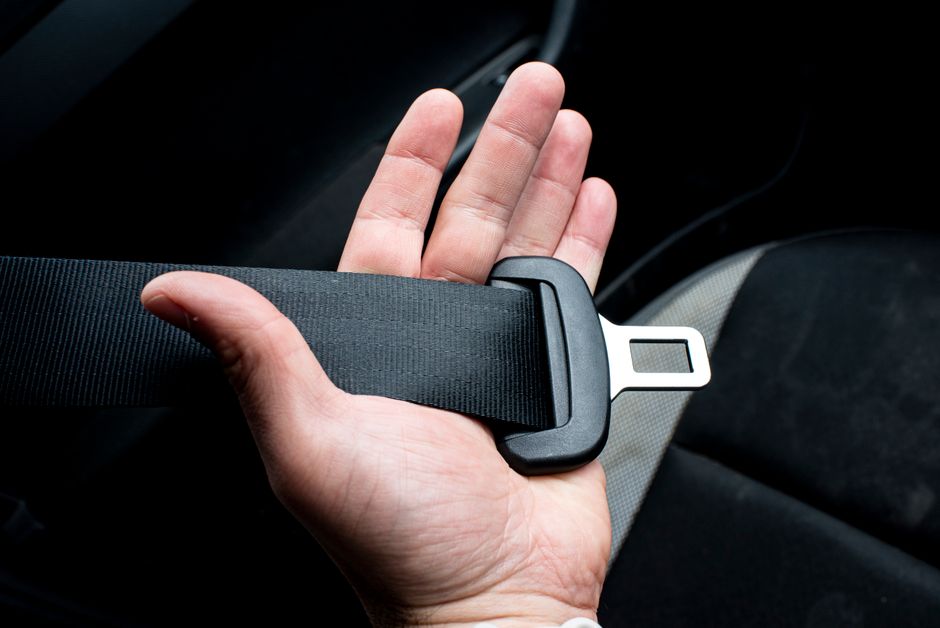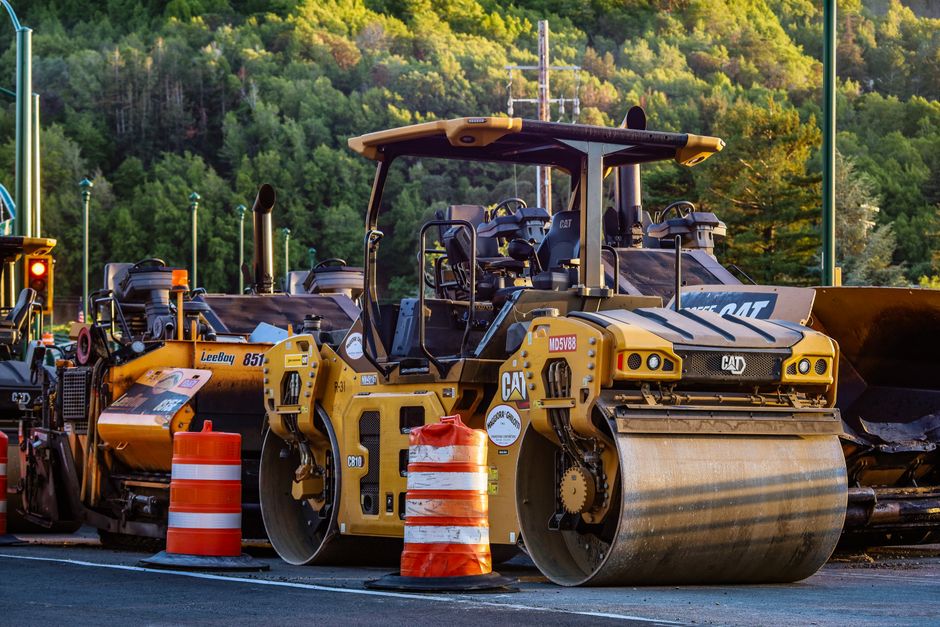
A supervisor told a dumper truck driver not to bother with his seatbelt. The driver followed that instruction. Then the truck moved in a way trucks sometimes do on uneven ground, and the driver was seriously injured. That conversation, which probably lasted five seconds, ended up costing the company tens of thousands of euro in fines, legal costs, and compensation.
Five seconds. Thousands of euro. One person with lasting physical harm.
The Instruction That Created the Liability
This is where employers consistently get it wrong. They think the risk is the vehicle. It is not. The risk is the instruction.
When a supervisor tells a worker to ignore a safety requirement, the company has just written itself into the prosecution. It is no longer a case of a worker making a personal choice. It is a case of a system that actively directed someone toward harm. That distinction matters enormously when the HSA and the courts are deciding who carries responsibility.
Under the Safety, Health and Welfare at Work Act 2005, employers are required to ensure the safety of employees so far as is reasonably practicable. Telling someone to skip a seatbelt is not a grey area. It is a documented failure of that duty. If that instruction came verbally, it will come out in the investigation. It always does.
Why Dumper Trucks Specifically
Dumper trucks on construction sites operate in conditions that make seatbelts more important, not less. Uneven ground. Slopes. Tight turns at low speed. The assumption that slow-moving vehicles are safe vehicles has been killing and injuring workers for decades.
A dumper doing 10 kilometres per hour on a camber can roll. When it does, an unbelted driver does not stay in the cab. The cab is the only structure designed to protect them. Getting thrown from it removes that protection entirely and introduces new hazards: the machine itself, the ground, whatever else is on that site.
Reversing deaths and vehicle movement incidents on Irish sites have already pushed regulators toward stricter standards. The seatbelt issue sits in the same category. It is a known risk, with known controls, and no credible engineering reason to bypass it.
The False Economy Laid Bare
The argument for skipping the seatbelt on a short site run is always the same. It takes too long to buckle. The cab is awkward. You are only going fifty metres. These are not safety arguments. They are convenience arguments dressed up as practicality.
Here is what convenience actually cost in this case. The company faced prosecution fines. They faced legal costs to defend that prosecution, which they lost. The injured worker required medical treatment and time off. There is likely a civil claim on top of the criminal fine. The supervisor involved now has this on their professional record. And everyone on that site now works under a microscope, because an HSA investigation does not end at the specific incident.
Recent HSA prosecutions consistently show the same pattern. The initial saving is zero. The eventual cost is not.
What Employers Are Actually Responsible For
The law does not ask whether you personally told the worker to skip the belt. It asks whether your system of work allowed it to happen. Those are different questions, and the second one catches more people.
Your responsibilities as an employer on vehicle safety include:
- Confirming that all site vehicles have functioning seatbelts and that belts are worn for every journey, including short internal movements
- Training operators that seatbelt rules apply on site, not just on public roads
- Ensuring supervisors know that countermanding a safety rule creates personal and company liability
- Documenting your vehicle safety rules in writing, and evidencing that workers have received and understood them
- Not tolerating workarounds, even informal ones that have become habit
That last point is the killer. If your site has an unspoken rule that seatbelts are optional for internal runs, you have a liability that will materialise the moment something goes wrong. It is not a question of if.
The Supervisor Problem
Supervisors occupy an uncomfortable position in these cases. They are close enough to the work to know what the shortcuts are, and they often have the authority to normalise them. A supervisor who tells workers to skip safety controls is not being practical. They are transferring legal exposure from themselves to the company, and then being surprised when the company and the courts come looking.
Training supervisors on their personal duty under Irish health and safety law is not optional. A supervisor can be prosecuted individually. The 2005 Act allows it. That conversation, where the supervisor explains why the seatbelt is unnecessary, can become the central exhibit in a personal prosecution.
The Fix Is Not Complicated
Install working seatbelts. Require their use. Enforce that requirement consistently. Put it in writing. Train it. When a supervisor contradicts it, deal with that as a disciplinary matter immediately, not after someone gets hurt.
That is the entirety of what is required here. There is no complex engineering solution, no expensive equipment purchase, no long implementation timeline. The seatbelt is already on the vehicle. The requirement to wear it already exists in law. The only thing missing in the case above was a culture that took both of those facts seriously.
The company in this prosecution did not save time. They did not save money. They saved nothing. They bought a serious injury, a prosecution, and a fine, all for the price of one bad instruction.
Put the belt on. Make sure your people put the belt on. Make sure your supervisors never tell anyone otherwise.