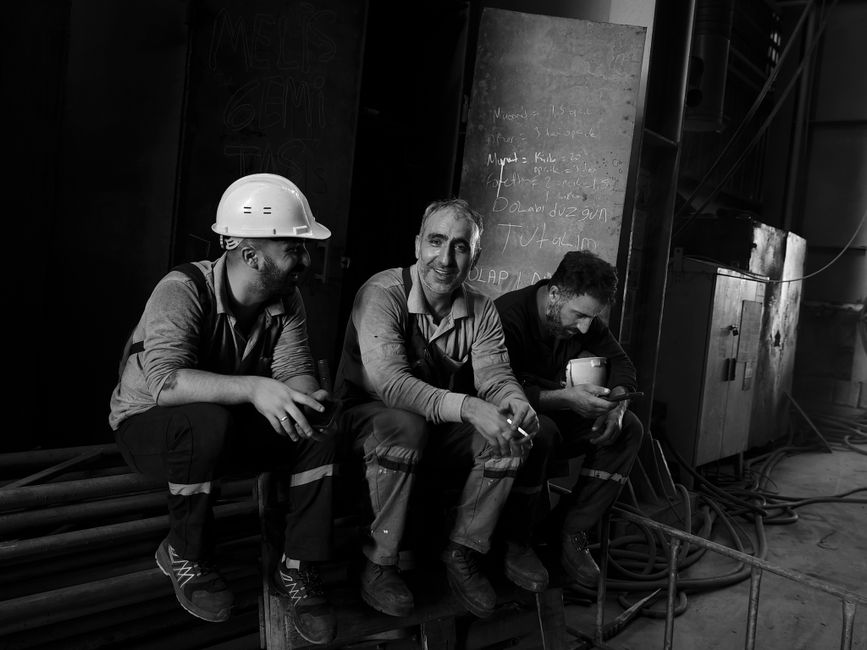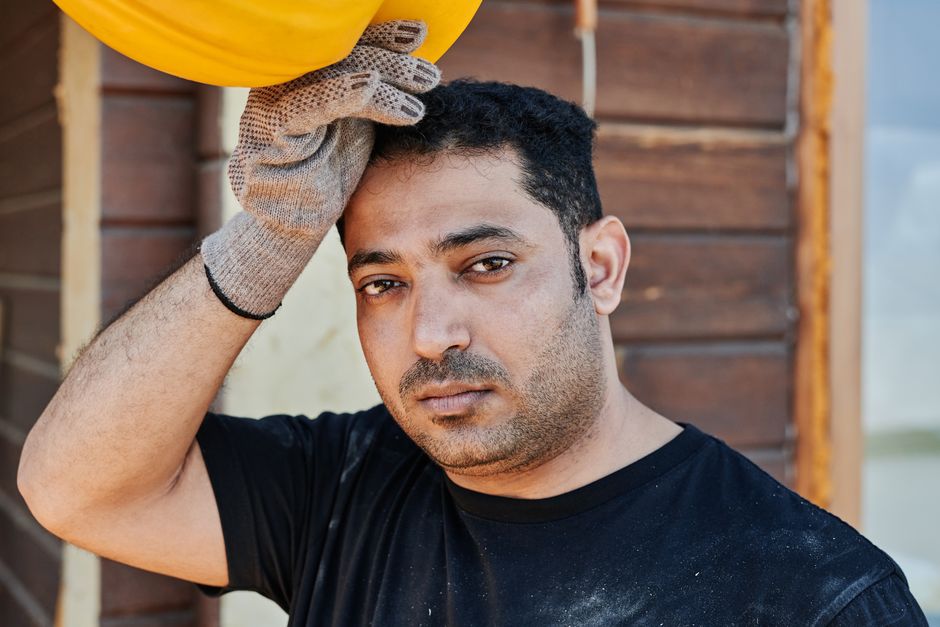
Someone on your team got badly hurt today. Or killed. The ambulance came, the site got shut down, the paperwork started. And tomorrow morning, the rest of your team has to come back to work.
Nobody planned for that part.
The Psychological Ripple Effect Is Real and Largely Ignored
Workplace trauma does not stop at the person who was injured. Witnesses carry the images. Colleagues who worked alongside the person carry guilt, even when they did nothing wrong. Supervisors carry the weight of wondering what they missed. In tight-knit teams, the grief is collective. In workplaces where mental health support is an afterthought, that grief has nowhere to go.
Research from trauma specialists consistently shows that workers who witness a serious incident are at significant risk of developing acute stress reactions, and a meaningful proportion will go on to develop post-traumatic stress disorder if they receive no support. In high-risk industries like construction, agriculture, and manufacturing, serious incidents are not rare enough to be treated as once-in-a-generation events. They happen. Teams see things that stay with them for years.
The gap is not awareness. Most safety managers know trauma affects people. The gap is planning. The safety statement covers physical hazards, emergency procedures, and HSA notification requirements. It almost never covers what happens psychologically to the workers who remain.
What Teams Are Actually Experiencing
The person who watched a colleague get pulled into machinery, or who was first on scene after a fall from height, or who gave CPR that did not work, is not going to bounce back with a cup of tea and a day off. The symptoms of acute workplace trauma include intrusive memories, hypervigilance, difficulty concentrating, sleep disruption, irritability, and avoidance of the place or task where the incident happened.
These are not signs of weakness. They are normal neurological responses to abnormal events.
The problem is that in most Irish workplaces, the cultural expectation is to get back to it. Particularly in construction, farming, and trades, the hidden cost of just getting on with it is enormous. Workers suppress reactions because they fear being seen as unable to cope. That suppression does not make the trauma go away. It delays and compounds it.
Managers often make things worse without meaning to. Returning to normal operations too quickly, without any acknowledgement of what happened, sends a signal that the incident is over and feelings about it are inconvenient. That silence is toxic.
What a Trauma-Informed Response Actually Looks Like
A trauma-informed workplace does not require a therapy suite. It requires a plan, implemented by people who understand what their team needs in the hours, days, and weeks after a serious event.
In the first 24 hours, the priority is safety, acknowledgement, and access to support. Gather the team. Tell them what happened, what you know, and what you do not know yet. Do not speculate. Do not minimise. Acknowledge that what they witnessed or experienced was serious and that it is normal to feel shaken. Give people the option to leave for the day without penalty. Tell them explicitly what support is available.
In the first two weeks, monitor rather than interrogate. Check in with individuals, particularly those who were closest to the incident. Ask direct questions: how are you sleeping, are you able to concentrate, are you struggling with anything you would like help with. Do not ask how they are and accept fine as an answer. Designate a specific contact person, not necessarily HR, who team members know they can approach.
In the longer term, if your organisation has an Employee Assistance Programme, activate it immediately and communicate it clearly. Not a poster on the wall. A direct conversation telling people what it covers, how to access it confidentially, and that using it will not affect their employment. If you do not have an EAP, find out what HSE and voluntary services are available in your area and have that information ready before an incident happens, not after.
Mental health first aid in the workplace should be part of your incident response plan in the same way physical first aid is. That means trained people, not just trained protocols.
The Legal Picture
Under the Safety, Health and Welfare at Work Act 2005, employers have a duty to manage risks to employees' health, and psychological health is explicitly included. The HSA's enforcement activity has historically focused on physical hazards, but that is shifting. Employer liability for psychiatric injury following workplace incidents is established in Irish case law. The question is no longer whether you have a duty of care for your team's mental health after a traumatic event. You do. The question is whether you are meeting it.
A company that documents its post-incident psychological support procedures, trains its managers, and activates support quickly is in a significantly different legal position than one that does nothing and hopes the team shakes it off.
The Turn
The honest truth is that most incident response plans stop at the body. Physical injury gets a protocol. The psychological aftermath gets silence, which gets mistaken for resilience. It is not resilience. It is unaddressed trauma sitting in your workforce, showing up later as absenteeism, performance problems, resignation letters, and sometimes as the thing nobody mentions when the next incident happens.
Build the plan before you need it. Because you will need it.