A risk assessment that sits in a folder is not a risk assessment. It is a legal liability wearing a safety hat.
That distinction is exactly what the HSA's updated Code of Practice for Preventing Injury and Occupational Ill Health in Agriculture sharpens. Farmers and farm managers who think they are covered because they completed a form three years ago are about to find out what "adequate" actually means under scrutiny.
What the Old Approach Got Wrong
The previous standard allowed a lot of farms to tick a box and move on. Identify hazard, note control measure, sign the form. Done. The problem is that agriculture does not work like a factory floor with fixed machinery in fixed positions. Hazards shift with the season, the weather, the stock, the contractor on site that week, and the teenager helping out at silage time.
Static assessments miss dynamic risks. A slurry tank is not the same hazard in January as it is in May when agitation begins. A front loader is not the same risk with an experienced operator as it is with a family member covering for two days. The old approach treated the farm as a stable environment. It is not.
The updated code asks assessments to reflect how the farm actually operates, not how it looks on a quiet Tuesday in October.
What "Adequate" Now Looks Like
The code does not use the word "adequate" loosely. It ties adequacy to several specific requirements that many existing assessments fail on contact.
The assessment must identify all significant hazards. Not just the obvious ones. That means stored chemicals, overhead power lines, confined spaces, livestock handling areas, slurry infrastructure, unguarded PTOs, and any task where a person could be isolated and incapacitated without anyone noticing for hours.
It must account for everyone on the farm. Family members, employees, seasonal workers, contractors, visitors, and children. Each group has different training, different awareness, and different legal protections. An assessment that covers the full-time farm worker but ignores the 14-year-old nephew helping in the school holidays is not adequate. It is incomplete.
It must be reviewed when circumstances change. New machinery, new staff, a change in enterprise, a near-miss incident. The code treats a risk assessment as a living document, not a one-time administrative exercise.
It must lead to action. Identifying a hazard and doing nothing about it is worse than useless. It creates a paper trail showing you knew the risk existed. The assessment must record what controls are in place, what further action is needed, and who is responsible for it.
The Hierarchy of Controls Still Applies
The code reinforces that identifying a hazard does not discharge your duty. You work through the hierarchy. Eliminate if you can. Substitute if elimination is not possible. Engineer controls before you reach for procedural ones. Personal protective equipment sits at the bottom of that list, not the top.
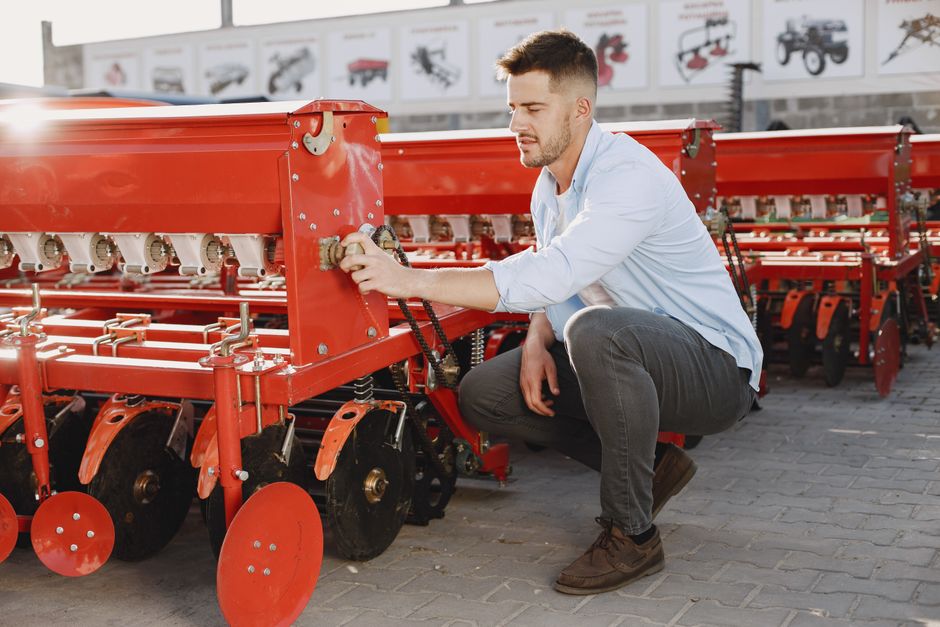
This matters on farms because the instinct is to reach for PPE first. Hard hat, high-vis, gloves. Done. But if the hazard is a tractor without a functioning ROPS, a hard hat is not a control measure. It is theatre. The code makes clear that documented controls must be proportionate to the risk and actually capable of preventing harm.
Seasonal Work Gets Specific Attention
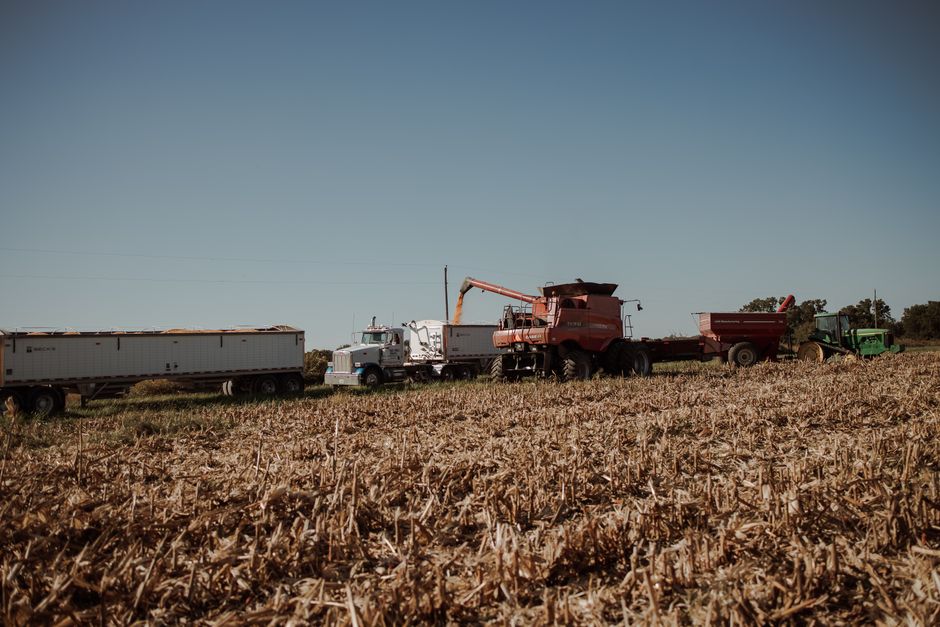
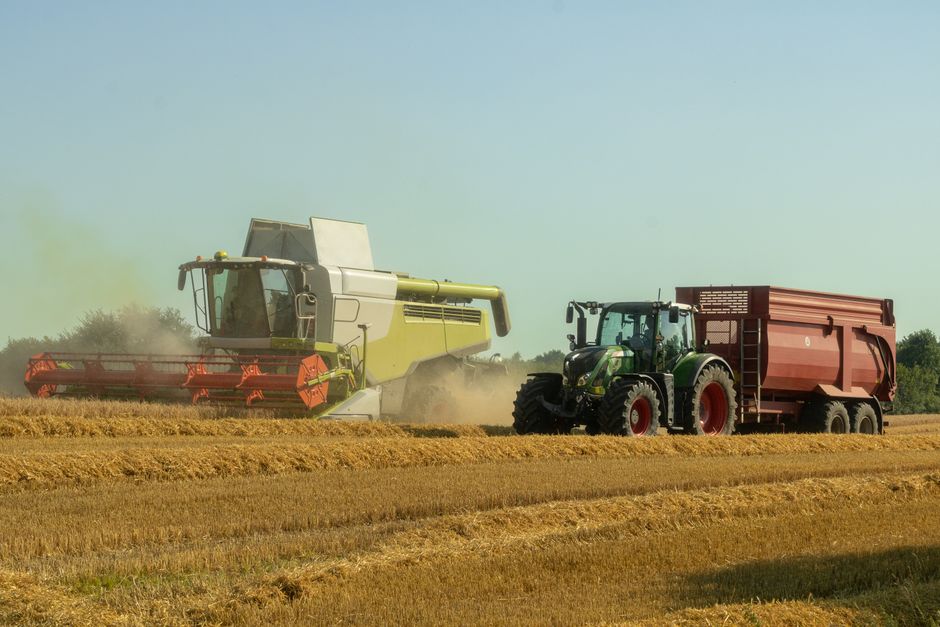
Silage, harvest, TB testing, and dipping all generate compressed periods of high activity with additional workers, additional machinery movements, and compressed timelines. The updated guidance is explicit that these periods require their own assessment or a specific review of the existing one.
This catches a lot of farms out. The annual assessment covers the farm's general operation. But when a contractor arrives with a harvesting crew for four days in July, the risk profile changes completely. Farm fatalities in Ireland cluster around exactly these periods, when the pace is fastest and the margin for error is smallest.
The code asks you to plan for those peaks in advance, not write them up after something goes wrong.
Children and Young Persons
This section of the code has teeth. It requires specific identification of any tasks where children could be present and explicit controls to exclude them from hazard zones. Not a general note that children should be kept away from machinery. Specific barriers, specific supervision arrangements, specific tasks that are off-limits.
If your risk assessment does not name this, it does not meet the standard. An inspector visiting a farm with a child in the yard will be looking for evidence that you have thought about this in writing.
What an Inspector Actually Checks
The HSA's inspection approach has shifted toward asking for evidence of implementation, not just documentation. An inspector will look at your risk assessment and then walk the farm. If the written controls bear no resemblance to what they see, the document counts for nothing.
They will look at whether training records match the tasks being carried out. Whether the controls listed are physically present. Whether the review dates are current. Whether near-misses have triggered any documented response.
Farm safety inspections follow a structured checklist, and the gap between what farmers write down and what is actually happening on the ground is where most compliance failures get found.
The Practical Fix
Start with a walkthrough of every area of the farm with someone who knows the work. Not a consultant filling in a template from a car park. Someone who has been in the slurry tank compound, who has worked the cattle crush, who knows that the latch on the shed door has been broken since February.
Map every significant hazard. Record every person who could be exposed. Write down the controls that are actually in place, not the ones you intend to put in place someday. Set a review date that corresponds to your busiest operational period, not the anniversary of when you first filled in the form.
The updated code does not ask for perfection. It asks for honesty about risk and a genuine attempt to manage it.
A risk assessment that reflects reality will survive inspection. One that reflects aspiration will not.