£594,000. That is what Cranswick Country Foods paid after a worker reached into an unguarded machine and lost fingers. The machine had no guard. The risk was known. Nobody acted.
This happened in a food factory in Norfolk. But the failure pattern is identical to what inspectors find on Irish construction sites every month. Unguarded moving parts. Risk assessments that exist on paper and nowhere else. Workers who have learned to work around the danger because they were never given another option. The industry changes. The excuse does not.
Construction likes to think of itself as separate from food manufacturing. Different hazards, different oversight, different culture. That distinction is not as clean as site managers believe. Both sectors involve heavy machinery, rotating components, time pressure, and the persistent human instinct to clear a blockage or fix a problem without stopping the line. And both sectors keep producing the same injuries, the same prosecutions, and the same board-level shock at fines that were entirely predictable.
The Machinery Problem Nobody Wants to Own
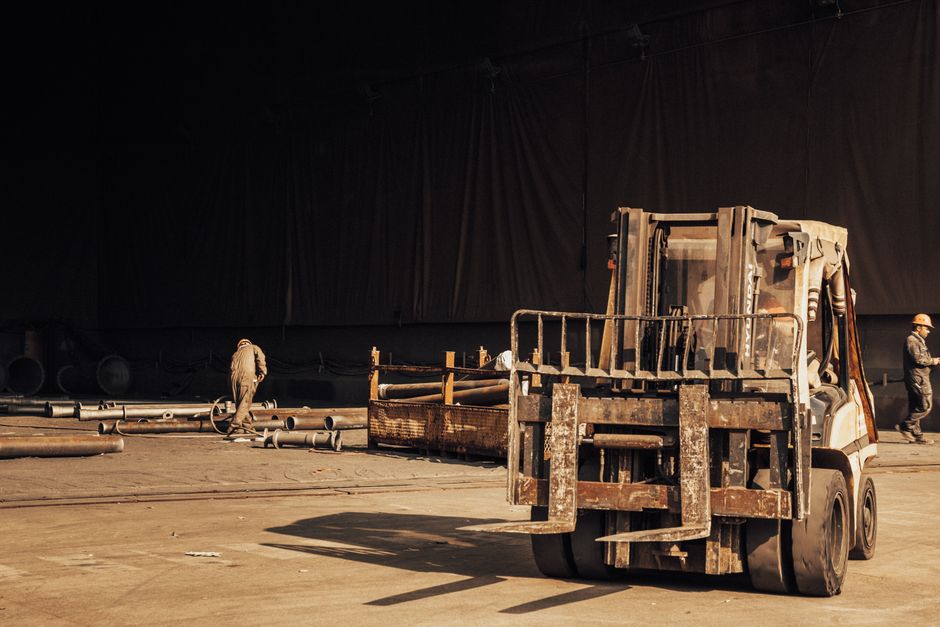
The Cranswick case involved a conveyor system with an accessible nip point. A nip point is where two moving parts come together and will pull in anything that gets close enough. Fingers. Hands. Forearms. Guards exist specifically to prevent access to these points. Removing them, failing to fit them, or allowing them to deteriorate to the point of uselessness is not a grey area in law. It is a straight breach of the Provision and Use of Work Equipment Regulations.
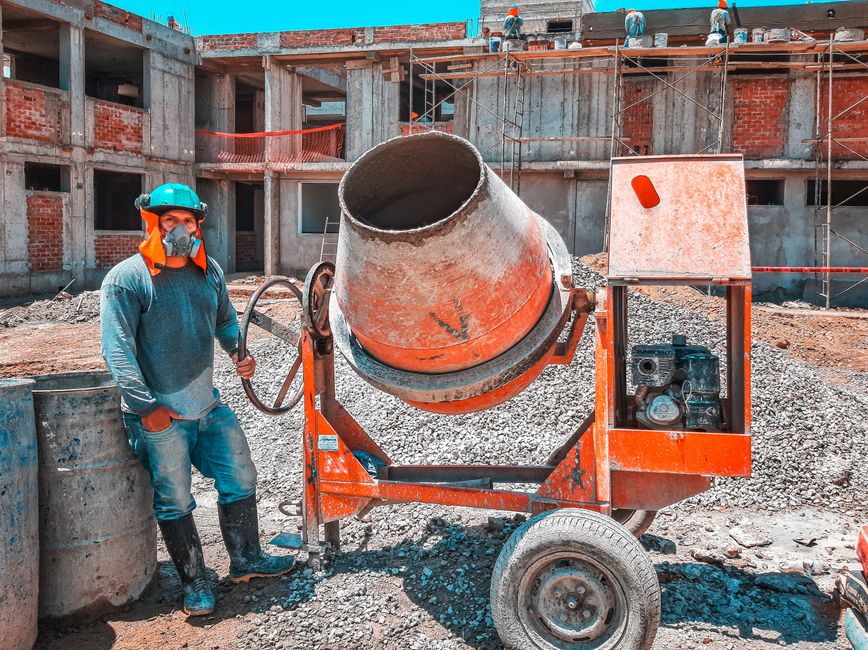
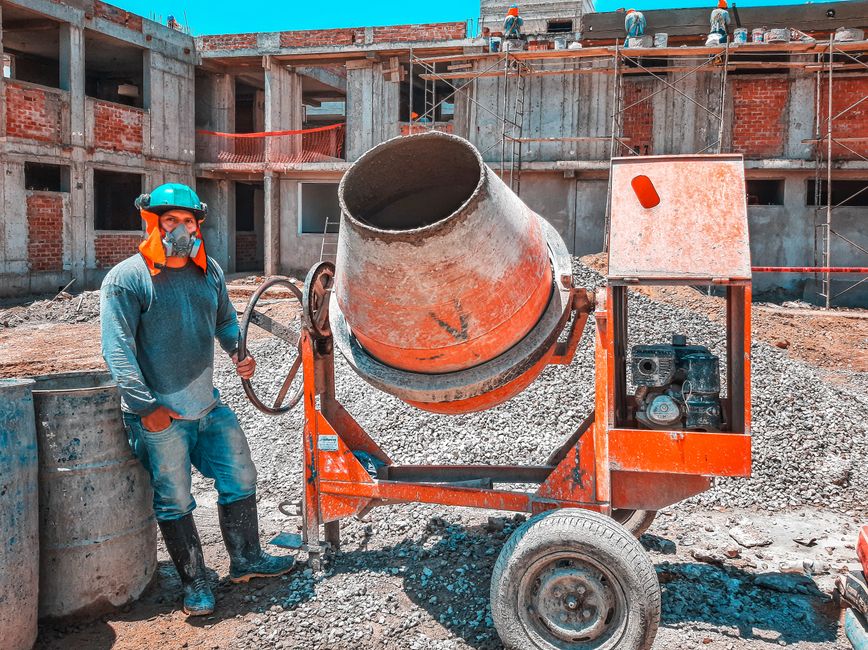
Irish construction sites have the same problem with different machines. Angle grinders without guards. Concrete saws with shields that have been folded back and left. Conveyor belts on mobile plant with no guarding on the return run. The machinery changes. The missing guard does not.
Machinery safety failures are costing companies millions and workers their limbs and the fine at sentencing is only part of the financial damage. Add the civil claim, the HSA investigation costs, the lost productivity, the retraining, and the reputational hit with principal contractors, and £594,000 starts to look like the cheap version of the story.
What 'Basic' Safety Actually Means in Practice
The word basic is doing a lot of heavy lifting in these cases. Companies use it to mean simple, obvious, cheap to fix. Prosecutors use it to mean indefensible.
A guard on a nip point costs very little. A lockout procedure for maintenance work costs a laminated card and two hours of training. A pre-start machinery check costs five minutes at the beginning of every shift. None of these things are technically difficult. All of them fail repeatedly, in large companies with dedicated safety departments and written procedures that describe exactly what should happen.
The gap between the written procedure and site reality is where people get hurt. That gap exists because nobody closes it. Not the safety manager who writes the procedure and moves on. Not the supervisor who knows the guard has been missing for three weeks and has not raised it. Not the director who reads the accident statistics and treats a string of near-misses as proof that the system is working rather than proof that it is about to fail.
Near-miss reporting is where this gets fixed before it becomes a prosecution. Why your site's near-miss reports are worthless and how to fix them is worth reading before your next incident, not after it. The near-miss is the site telling you what is about to happen. Most sites hear it and do nothing.
The Cross-Sector Pattern Irish Contractors Keep Missing
Food manufacturing and construction share more than machinery hazards. They share the cultural assumption that production pressure is a legitimate reason to defer safety action. The line needs to keep moving. The pour cannot wait. The crew is already set up. These are the sentences that precede the sentences about what happened next.
Regulators in both jurisdictions have stopped treating this as a cultural nuance and started treating it as evidence of systemic failure. When a company is prosecuted for an unguarded machine and the investigation reveals that multiple workers had reported the hazard before the injury occurred, the fine reflects not just the incident but the decision not to act on the warning.
The HSA takes the same view. Documented near-misses that were not acted upon become prosecution evidence. They show that the company knew about the risk and chose to accept it. That is a different legal position from a company that genuinely did not know the hazard existed.
What Contractors Need to Do This Week
Stop treating machinery guarding as a box-ticking exercise during initial setup. Guards are removed during maintenance and not refitted. Guards deteriorate and are not replaced. Guards are identified as inconvenient and quietly removed by workers who are under time pressure. A weekly check is not excessive. It is the minimum.
Create a reporting route that workers actually use. Anonymous, fast, and with a visible feedback loop. If a worker reports a missing guard and nothing happens, they stop reporting. If something happens within 48 hours, the next worker reports the next hazard. The system is not complicated. The commitment to running it is what most companies lack.
Train supervisors to treat near-misses as incidents. Not paperwork. Not a metric on a monthly report. An event that happened on their site that tells them something specific about a specific risk. Supervisors who do this well prevent prosecutions. Supervisors who treat near-miss reports as an administrative burden become prosecution witnesses.
Review your contractor liability position. If you are a principal contractor and a subcontractor's worker is injured by unguarded machinery on your site, you are not insulated from liability by the fact that the subcontractor provided the machine. The HSA will look at what oversight you exercised and what authority you had to stop unsafe work. The answer to both questions needs to be good.
The Turn
The companies that end up in front of a judge paying six-figure fines are not outliers with uniquely bad safety cultures. They are ordinary companies that let the gap between their written procedures and site reality widen until something went wrong. The £594,000 Cranswick fine is not a food manufacturing story. It is a machinery story. It happens in construction, agriculture, and manufacturing, and it will keep happening until the gap gets closed before the injury rather than after the prosecution.
The machine does not care what sector you work in. Neither does the HSA.