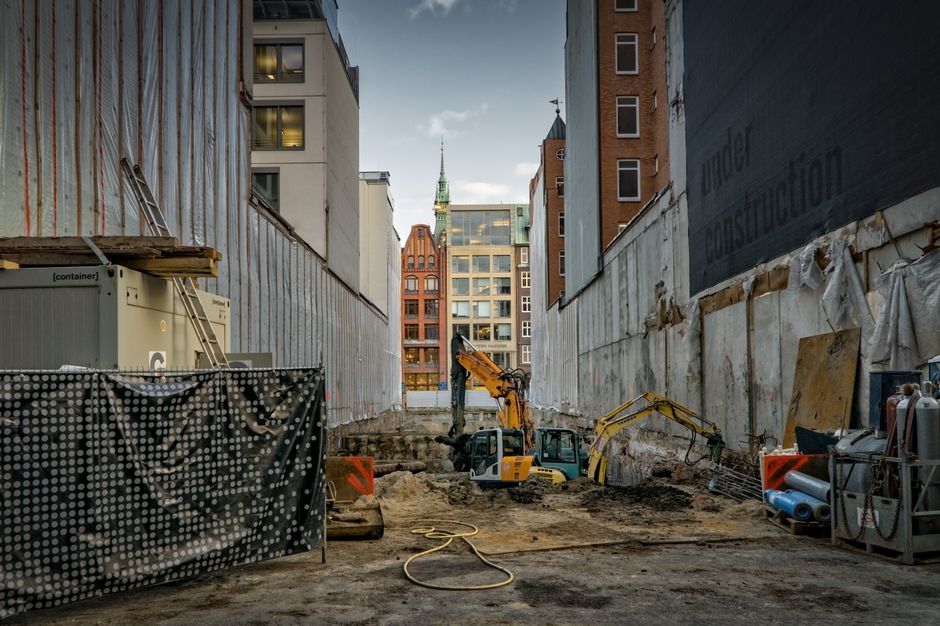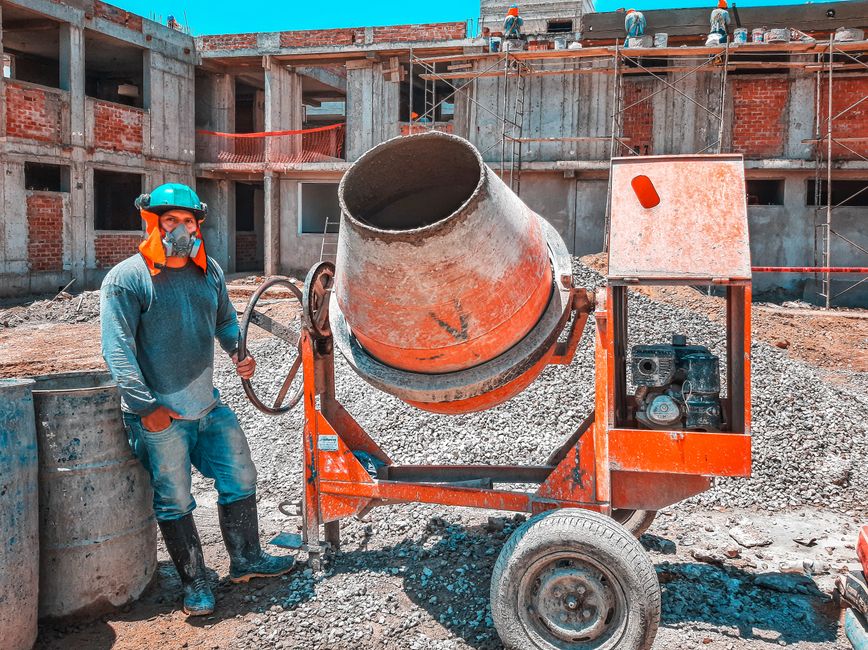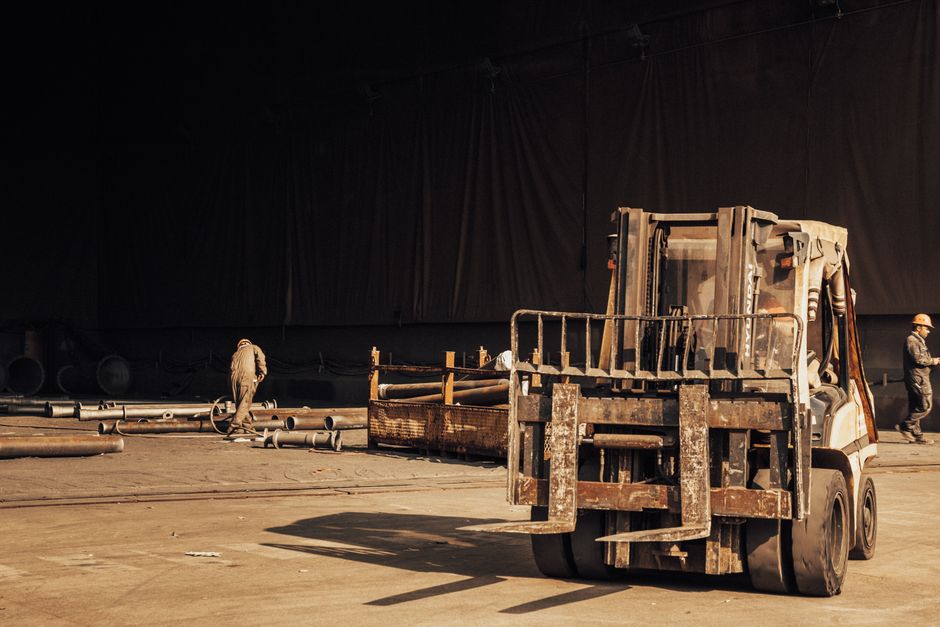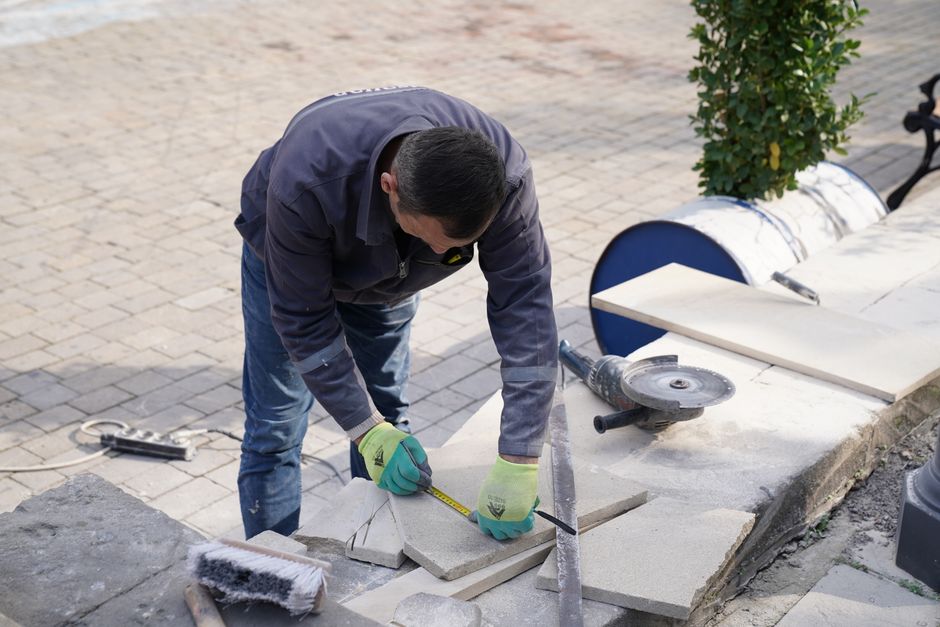
Engineered stone produces some of the most lethal dust on any construction site in Ireland right now. Not asbestos levels, not something you'll read about in a decade's time. Now. And the HSA has stopped waiting for the industry to figure it out.
Prohibition Notices have already landed. That means inspectors walked onto sites, looked at what was happening, and concluded the risk was serious enough to shut it down on the spot. No warning letter. No grace period. Just: stop.
What Engineered Stone Actually Is
Engineered stone, sold under brand names like Silestone, Caesarstone, and Dekton, is a manufactured composite made from crushed quartz bound with resin. It is used in kitchen and bathroom worktops, and it has taken over from natural granite in the Irish market because it is cheaper, more consistent, and looks the part.
The problem is the quartz content. Engineered stone contains up to 93% crystalline silica. Natural granite runs at roughly 25 to 45%. When you cut, grind, or polish engineered stone, you generate respirable crystalline silica dust. Particles small enough to bypass your airway defences and embed permanently in lung tissue.
Silicosis is the result. It is irreversible. It progresses even after exposure stops. In workers cutting engineered stone regularly without controls, cases have emerged after as little as three to five years. Young men in their thirties and forties with the lung function of people in their seventies.
Why Enforcement Is Escalating
Australia banned engineered stone fabrication in July 2024, the first country in the world to do so. The UK Health and Safety Executive issued specific enforcement guidance shortly after. The Irish HSA has followed with active site inspections and Prohibition Notices targeting operations where engineered stone is being cut without adequate controls.
The Prohibition Notice is the HSA's sharpest tool. Inspectors issue one when they believe a risk of serious personal injury is present or imminent. Work stops immediately. It does not restart until the issue is resolved to the inspector's satisfaction. Ignoring one is a criminal offence.
What the HSA is finding is predictable. Angle grinders used without water suppression. No local exhaust ventilation. Workers in P1 dust masks that offer essentially no protection against particles this fine. The dust problem on Irish construction sites has been documented repeatedly, and engineered stone represents its sharpest edge right now.
What Counts as a Prohibited Operation
The enforcement focus is on dry cutting, dry grinding, and dry polishing of engineered stone. This covers:
Fabrication workshops shaping worktops to size. Installers trimming on site to fit. Any rework or adjustment after delivery. Drilling for sinks or tap holes. Sanding or polishing edges without water suppression.
Wet cutting with proper water suppression, combined with local exhaust ventilation and correctly fitted FFP3 respirators, is not automatically prohibited. But the controls have to be real. A trickle of water that evaporates before it hits the blade does not count. A P2 dust mask pulled below the nose does not count.
What You Need to Do Right Now
If your site or workshop handles engineered stone, you need a risk assessment specific to that material. Not a generic dust control assessment. One that names engineered stone, identifies every task that generates dust, and specifies controls for each.
The hierarchy is:
Eliminate. Some firms are already moving away from engineered stone entirely and switching clients to alternatives. This is the cleanest solution and more contractors are making it commercially.
Substitute. Natural stone, solid surface materials like Corian, sintered stone products with lower silica content, and porcelain slabs are all being used as replacements. Porcelain contains crystalline silica too, so check the safety data sheet before assuming it is safe.
Engineering controls. Any cutting that still happens needs wet methods, integrated water suppression on angle grinders and saws, and on-tool extraction or fixed LEV systems. The ventilation needs to be maintained and tested, not just present.
PPE as a last resort, not a first line. FFP3 disposable respirators or half-face masks with P3 filters, correctly fitted and face-fit tested. Not FFP2. Not P1. Not a paper mask grabbed from a first aid box.
Worker health surveillance is not optional for ongoing exposure. Lung function testing, baseline and periodic, recorded and tracked.
The Commercial Reality
Some clients will push back on switching materials. That is a conversation worth having now rather than after an inspector arrives. The liability sits with the firm doing the cutting. Not the client who specified the worktop.
Several Irish kitchen fitting companies have already removed engineered stone from their offering. They have communicated it as a quality and safety decision, not a retreat. Customers who want sintered stone or porcelain can be served. Customers who insist on high-quartz engineered stone can be declined. That is a legitimate business choice, and it removes the exposure completely.
For firms still working with the material while the transition happens, document everything. Your risk assessment, your control measures, your PPE provision, your health surveillance. If an inspector arrives, the paperwork either supports you or it does not. There is no middle ground when a Prohibition Notice is the outcome.
The Pattern Here Is Familiar
Ireland went through this with asbestos. The material was useful, cheap, and widely specified. Enforcement came later than the evidence demanded, and the disease burden fell on workers who had no idea what they were breathing. The engineered stone situation is following the same arc, with one difference. The regulatory response is arriving faster this time.
That is the turn. We are not ten years behind the science on this one. The HSA is moving. Whether your firm moves with it, or waits to be stopped on site, is the only real question left.
If the dust is on your site, the clock is already running.