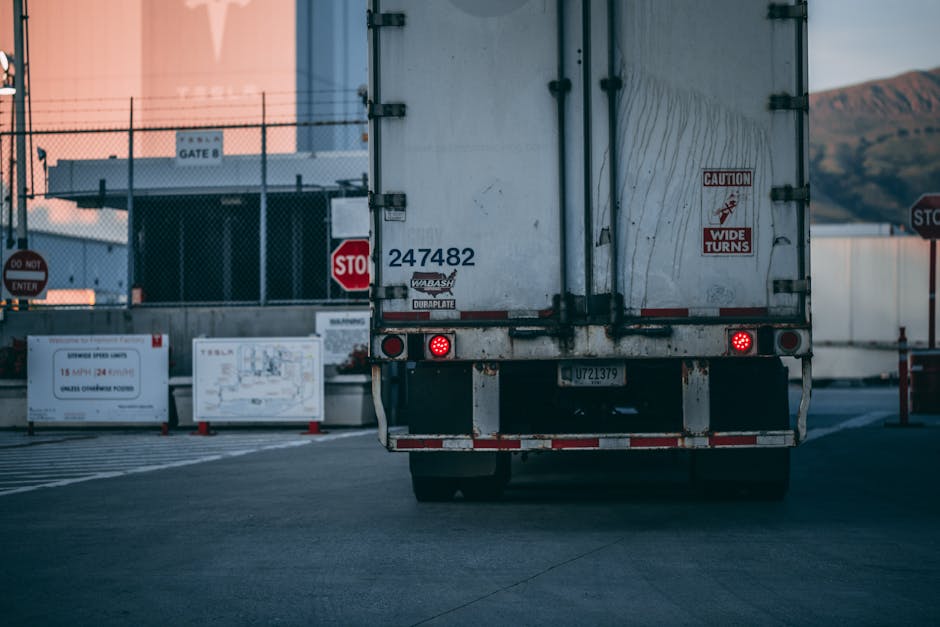
A dumper truck reverses forty metres across a busy site. The banksman is somewhere else. A worker nobody saw is now under the rear wheels. This is not a freak event. It is Tuesday.
Reversing vehicles are one of the most consistent killers in Irish and UK construction. The HSA flags them repeatedly. UK courts have handed out fines running into hundreds of thousands of pounds for exactly this scenario, and the cases read like copies of each other. Same failure mode, different site, different victim. A company in the UK's Midlands was fined £600,000 after a worker was struck and killed by a reversing telehandler. No banksman present, no exclusion zone enforced, no camera on the machine. The investigation lasted eighteen months. The fine came three years after the funeral.
Irish sites are not immune to this pattern, and the HSA's enforcement appetite has grown. Construction accounts for a disproportionate share of workplace fatalities in Ireland every year. Vehicle movement is one of the primary causes. The question is not whether your site will get a visit. It is whether that visit happens before or after an incident.
Why Reversing Kills More Than Forward Travel
When a machine moves forward, the operator looks through glass at the direction of travel. When it reverses, that changes completely. Blind spots behind large plant, including dumpers, excavators, telehandlers and concrete trucks, are substantial. A standard eight-tonne dumper can have a blind spot extending twelve metres directly behind the cab. A worker crouching, kneeling, or walking in a dip in the ground is invisible.
The speed is deceptive too. A slow reversing manoeuvre at five kilometres per hour does not feel dangerous until you calculate the force involved. A loaded dumper weighing fifteen tonnes at that speed delivers enough energy to kill instantly. Workers develop a tolerance for machines moving nearby. That tolerance is the hazard.
What the New Camera Standards Actually Require
The shift in thinking around reversing cameras happened gradually, then fast. Cameras were optional, then recommended, then expected, then required by several major contractors as a condition of plant hire. The HSA's position has hardened in step with the evidence.
A camera alone is not enough. This point gets missed constantly. A reversing camera becomes close to useless if the monitor is poorly positioned, the lens is dirty, the image quality is poor in low light, or the operator's attention is divided. The standard that actually reduces risk combines a camera with an audible reverse alarm, proximity sensors that alert the operator before contact, and a banksman with a clear line of sight and direct communication with the driver.
Some larger sites are moving toward radar-based proximity detection systems. These use radio waves rather than cameras and can detect a person behind a machine even when they are obscured by dust, rain or poor lighting. The cost has come down significantly. For plant that works near pedestrian routes every day, the investment is straightforward to justify.
The Traffic Management Plan You Cannot Skip
Technology is only one layer. The deeper fix is separation. A site where pedestrians and plant share the same routes is dangerous regardless of what cameras you bolt onto the machines. A written traffic management plan is a legal requirement under the Safety, Health and Welfare at Work (Construction) Regulations. It needs to address entry and exit points, haul roads, pedestrian walkways, and the specific sequence of vehicle movements during different phases of work.
The project supervisor for the construction stage carries direct responsibility for ensuring this plan exists and is followed. That is not a technicality. It is the legal mechanism that can convert a site fatality into a criminal negligence prosecution.
The plan must be a live document, not a PDF filed at mobilisation and never opened again. When the site layout changes, when new plant arrives, when the sequence of work shifts, the plan must update with it.
What HSA Inspectors Are Looking For
An inspector arriving on site will look at this quickly and make a judgement. They have done hundreds of these visits. The signs of a site that manages vehicle movement seriously are visible within ten minutes of walking through the gate.
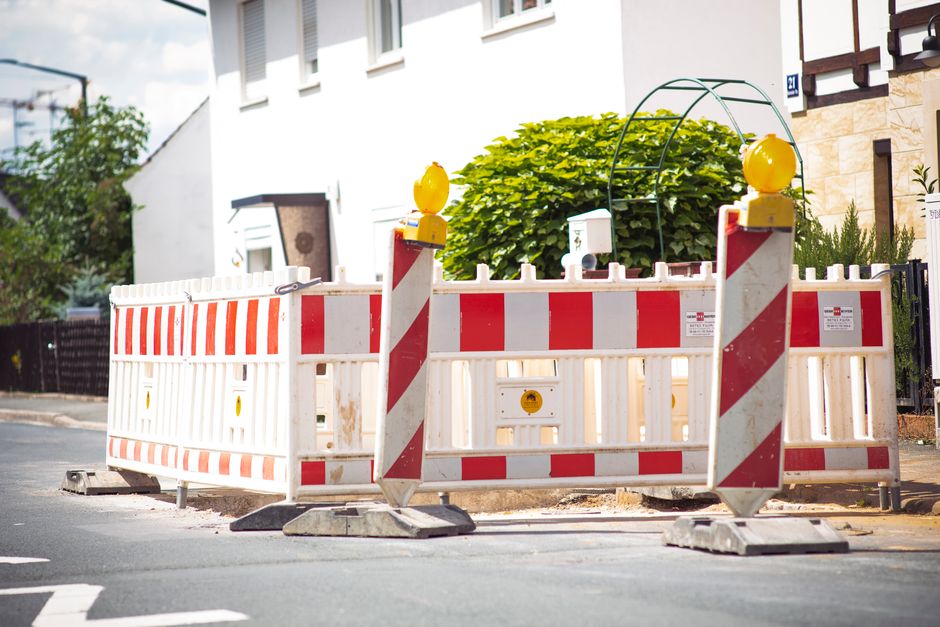
They look for physical segregation: barriers, cones, clearly marked pedestrian routes. They check for banksmen: are they present, do they have hi-vis, do they have a clear role and are they actually watching the machine. They check plant: is the reverse alarm functional, is there a camera or proximity sensor, is the monitor visible to the operator. They look at the traffic management plan: does it exist, is it current, does it match the actual site layout.
If an incident has already occurred, the investigation goes deeper. Witness statements, CCTV if available, maintenance records for the plant, training records for the operator and the banksman, and the safety file.
The fines that follow a fatality are severe. But the fines are not the real cost. The real cost is the investigation, the prosecution, the reputational damage, and the thing that does not appear in any financial report.
The Practical Fixes Before Friday
If you run a construction site and you are reading this because something made you uneasy, here is the short list.
Walk your site today and identify every point where plant reverses near pedestrians. Mark them. Count them. Ask yourself whether a banksman is always present at each one.
Check every piece of reversing plant. Confirm the reverse alarm works. Check the camera image on the monitor inside the cab. Clean the lens. If there is no camera, get one fitted.
Pull out your traffic management plan and compare it to the actual site. If they do not match, update the plan this week. Brief your banksmen. Not a toolbox talk that takes six minutes and produces a signature. An actual conversation about what they are responsible for and how they communicate with operators.
Document all of it. Not because documentation saves lives, but because when the HSA arrives, the documentation is evidence that you were managing this seriously before anyone was hurt.
The pattern in every UK and Irish prosecution for reversing fatalities is consistent: the hazard was known, the control measures were inadequate, and nobody fixed it before someone died. That is the thing to break.
Do it before the visit. Do it before the incident.