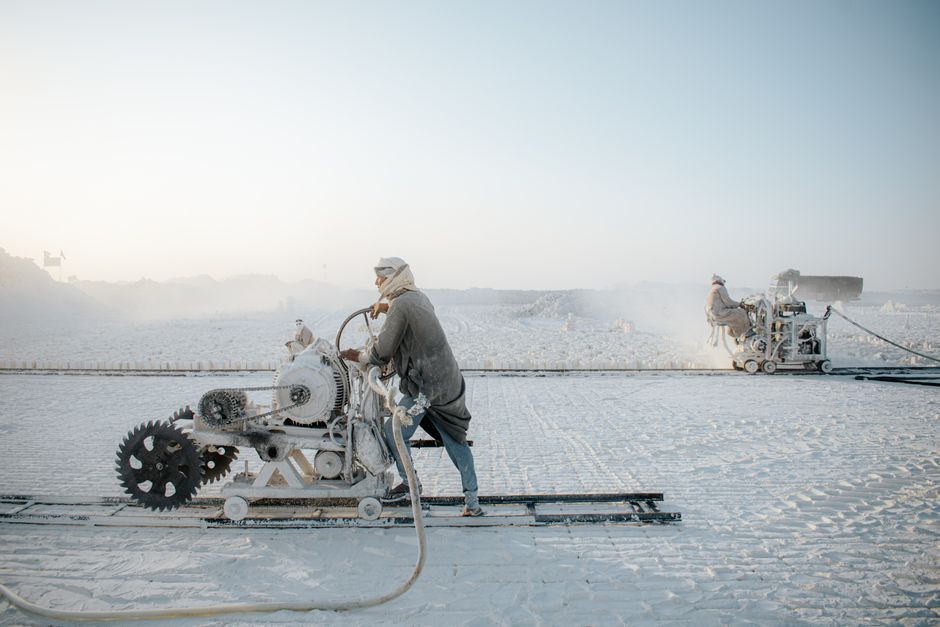
Quarry workers are dying from a disease that takes 20 years to kill and about 20 minutes of bad dust exposure per day to start. The lung destruction is permanent. The warning signs are quiet until they are not.
Silicosis is not new. It has been killing quarry workers, miners, and stonemasons for centuries. What is new is that the HSA has made respirable crystalline silica a targeted enforcement priority, and inspectors are arriving on sites with air sampling equipment rather than clipboards. If your dust controls are cosmetic, that visit will not go well.
The disease works like this. Crystalline silica particles, small enough to bypass the nose and throat entirely, lodge deep in the lung tissue. The body cannot remove them. Instead, it walls them off with scar tissue. That scar tissue accumulates, the lungs stiffen, and over years or decades, breathing becomes harder and harder. Eventually it becomes impossible. There is no reversal and no cure. A worker with advanced silicosis is waiting for a lung transplant or waiting to die. Those are the options.
What Makes Quarry Work Specifically Dangerous
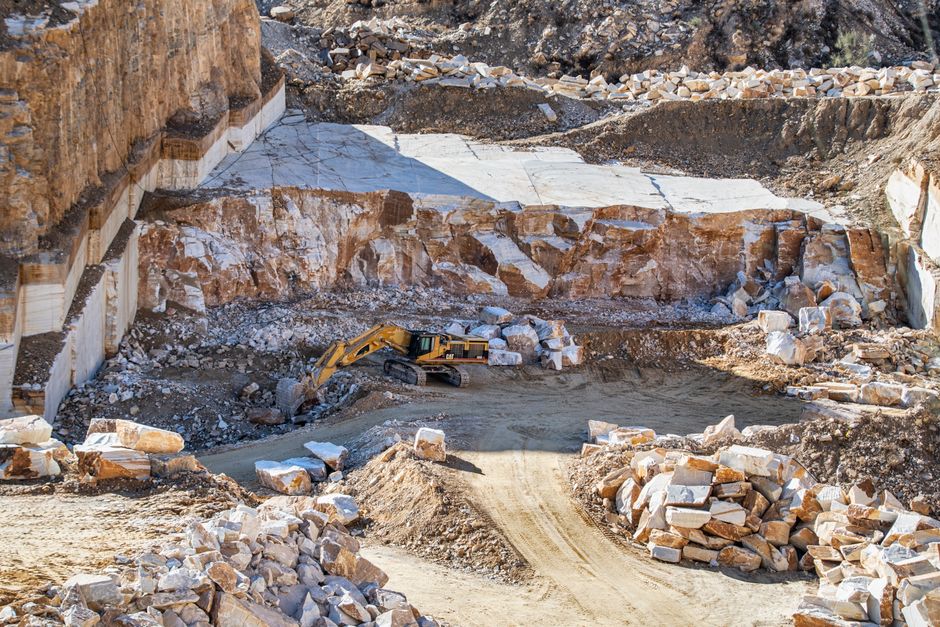
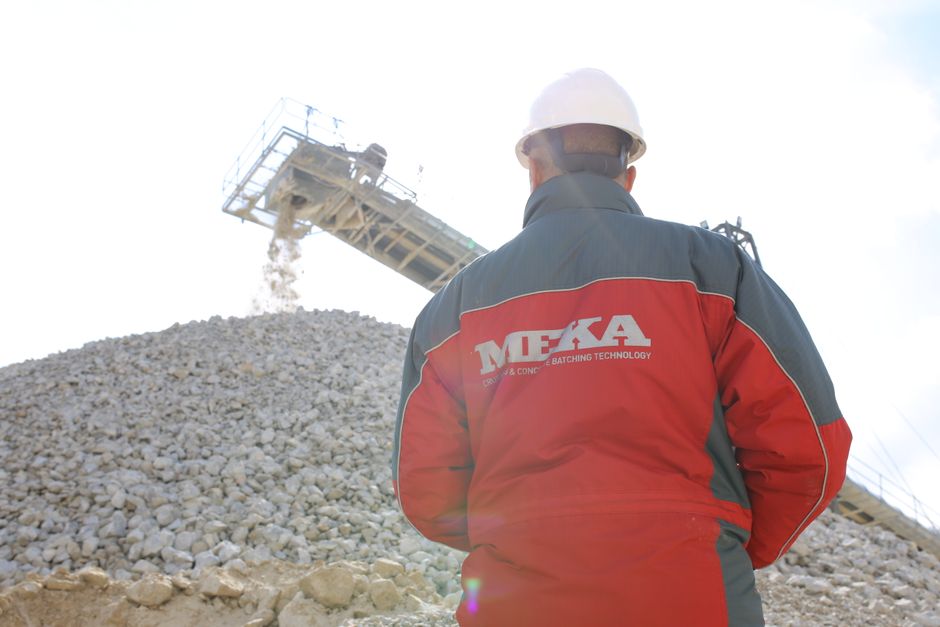
Quarries contain granite, sandstone, and other silica-rich rock. Drilling, blasting, crushing, and screening all generate respirable dust. The particles that cause silicosis measure less than 10 micrometres. You cannot see them. A site that looks clean is not necessarily safe.
Certain tasks carry the highest risk. Dry drilling without water suppression. Running crushers without enclosures or local exhaust ventilation. Cleaning up dry dust by sweeping or using compressed air. Driving unpaved haul roads behind loaded trucks without water damping. Workers doing these tasks daily, over years, are breathing a slow accumulation of damage.
Accelerated silicosis is the version that kills faster. Extremely high dust concentrations, typically from dry drilling or enclosed-space stone cutting, can trigger severe lung disease within five years. Workers in their thirties have died from it. Silicosis in 2026: Young Workers Are Dying From a Preventable Disease covers this in detail, but the quarry context matters because the exposure levels involved are not edge cases. They happen on ordinary sites with inadequate controls.
The Early Warning Signs Workers Must Know
This is where the disease is most cruel. Early silicosis produces no symptoms. A worker can have significant lung scarring on a chest X-ray while feeling completely normal. By the time breathlessness appears, the damage is extensive.
Watch for these signs and take them seriously:
Persistent breathlessness on exertion. Getting winded climbing stairs or walking uphill when you did not used to. Not dramatic. Gradual. Easy to dismiss as getting older or being unfit.
A dry cough that will not go away. Not a cold, not a chest infection. A cough that has been there for months.
Fatigue without obvious cause. When the lungs are not working efficiently, everything takes more effort.
Repeated chest infections. Silicosis suppresses the lung's ability to clear bacteria. Workers with the disease get pneumonia and bronchitis more often.
The critical point is that by the time a quarry worker is short of breath at rest, the disease is advanced. The window for slowing its progression exists earlier, and it is only reachable through regular health surveillance. If your employer is not providing this, that is a legal failure, not an oversight.
What Employers Are Legally Required to Do
The Safety, Health and Welfare at Work (Chemical Agents) Regulations set an occupational exposure limit for respirable crystalline silica at 0.1 milligrams per cubic metre of air, as an eight-hour time-weighted average. That limit is the legal ceiling, not a target to approach.
The hierarchy of control applies and it is not optional. Elimination or substitution first. Where that is impossible, engineering controls. Wet suppression systems, enclosed cabs with filtered air, local exhaust ventilation on crushing equipment. Water sprays on haul roads. Suppression before the dust becomes airborne is always more effective than trying to filter it out of a worker's lungs with a mask.
Respiratory protective equipment is the last line of defence, not the first. An FFP3 disposable mask used correctly provides meaningful protection. Used incorrectly, it provides false confidence. Mask fit testing is a legal requirement. A mask that leaks around the face seal does almost nothing.
Air monitoring is not voluntary. Employers must assess and, where there is any doubt, measure dust concentrations at the breathing zone of workers doing the highest-risk tasks. This is not a once-and-done exercise. Monitoring must be repeated when processes change, when new equipment arrives, or when controls are modified.
Health surveillance must be provided to all workers with significant dust exposure. This means a baseline health assessment before work begins, periodic questionnaires, and regular lung function testing. The HSA recommends chest X-rays at defined intervals for quarry workers. Health records must be kept for 40 years. The disease has a long latency period and workers change employers. The records need to follow the risk.
Training is required. Workers must know what silicosis is, how exposure happens, and what controls are in place and why. A toolbox talk that nobody understood does not count.
The Compliance Gaps the HSA Is Finding
The pattern in enforcement actions is consistent. Sites with dust suppression equipment that is not being used. Water sprays that are turned off because they make the ground muddy. Workers wearing dust masks on their chins because nobody checks. Air monitoring that was done once three years ago and has not been repeated. Health surveillance that consists of asking a worker if they feel alright.
The gap between written procedure and daily reality is where people get sick. A dust management plan filed in a cabinet does not protect anybody's lungs.
Inspectors are now arriving unannounced, sampling the air during actual operations, and checking whether health surveillance records exist and are current. The tone has shifted from advisory to enforcement. Improvement notices are being followed by prohibition notices, and prohibition notices are being followed by prosecutions.
The Turn
The frustrating thing about silicosis is that it is completely preventable. The engineering solutions exist and are not exotic. Water suppression, enclosed cabs, local exhaust ventilation, proper respiratory protection, and regular health checks. That is the list. A quarry operating with all of those in place, consistently, does not produce silicosis cases.
What produces silicosis cases is treating dust control as a cost centre and health surveillance as paperwork. That calculation looks different when a former employee is diagnosed with an irreversible disease in their fifties and the enforcement timeline traces back to your site.
Your workers cannot see the dust that is damaging them. The controls, the monitoring, and the health checks are the only thing standing between a day's work and a shortened life. Get them in place.