You built something beautiful. Custom frame, aftermarket forks, remapped ECU, exhaust that sounds like God clearing his throat. And it passed the NCT. Here is the problem: passing a roadworthiness test and passing a Motorcycle Single Vehicle Approval inspection are two completely different things, and the gap between them is where insurance claims go to die.
What the DVSA Update Actually Changed
The Driver and Vehicle Standards Agency updated its motorcycle approval guidance in late 2024, tightening what counts as a compliant build for bikes that did not come through standard type approval. This hits custom builds, heavily modified imports, kit bikes, and anything that left the factory in one configuration and arrived at your garage in another.
The key shift is in how inspectors assess structural and safety-critical modifications. Previously, some modifications sat in a grey zone where inspectors applied discretion. That discretion has been narrowed. Specific areas now under harder scrutiny include frame modifications, steering geometry changes, brake system alterations, lighting compliance, and tyre and wheel specifications relative to the original design.
If your bike was registered using MSVA and you have since modified it, the original approval certificate no longer covers the current configuration. You are, technically, riding an unapproved vehicle.
Road Legal Is Not the Same as Approved
This is the part most riders miss. A bike can be road legal, meaning it has tax, insurance, and passes a visual NCT check, while simultaneously being non-compliant with the approval standard it was originally certified under.
The NCT checks your lights work, your brakes stop the vehicle, and your tyres have tread. It does not check whether your custom subframe maintains the structural integrity specified in your MSVA certificate. It does not check whether your new handlebars change the steering geometry outside permitted tolerances. It does not check whether your aftermarket suspension alters the ride height enough to affect braking performance calculations.
Your insurer, however, will check all of this after a serious incident. They will pull the original approval paperwork, compare it to the current build, identify every deviation, and assess whether any of those deviations contributed to the incident. Modification-related voidance is written into most motorcycle policies in plain language. Most riders have not read that section.
The Modifications That Fail Most Often
Based on recent MSVA inspection outcomes and insurer dispute patterns, these are the changes that create the most problems.
Frame modifications. Cutting, welding, or extending a frame invalidates the structural calculation that underpinned the original approval. Even a clean weld from a qualified fabricator does not automatically reinstate compliance. You need independent engineering sign-off, and that sign-off needs to follow MSVA standards.
Handlebar and stem changes. Raising or lowering bars beyond the approved geometry affects the relationship between rider position, centre of gravity, and steering response. Inspectors now measure this against the original certificate.
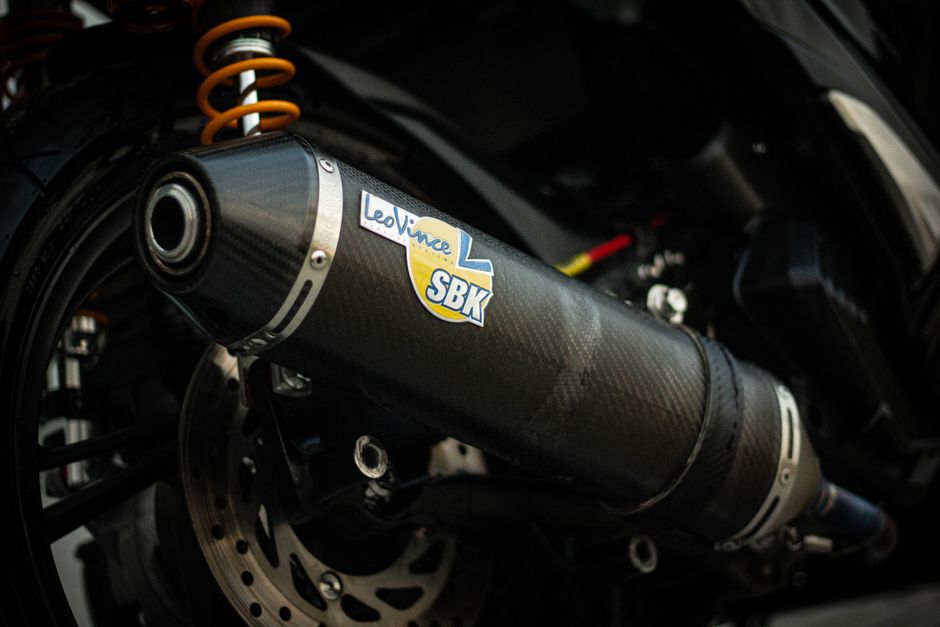
Exhaust and emissions. Non-type-approved exhaust systems can affect noise compliance and, increasingly, emissions readings. Some insurers are beginning to treat unapproved exhaust modifications as a material change that should have been declared.
Lighting. Aftermarket headlights, auxiliary lights, and LED conversions must meet ECE approval standards. A headlight that looks fine and illuminates the road can still fail on beam pattern, intensity, or mounting angle.
Suspension and ride height. Aftermarket suspension that changes ride height by more than a defined tolerance affects braking geometry. This one catches sport bike builders regularly.
The Insurance Gap Nobody Explains at Point of Sale
When you buy a motorcycle policy, you declare the vehicle. You may declare some modifications. What most riders do not realise is that the duty to disclose is ongoing. If you modify the bike after the policy starts, you are legally obliged to inform your insurer. Failing to do so is a material non-disclosure, and it gives the insurer grounds to void the policy entirely, not just reduce the payout.
Void, in this context, means they treat the policy as if it never existed. They return your premium. They pay nothing. You are uninsured, and you face the penalties that come with that.
The modifications most likely to trigger this outcome are the ones riders consider minor. Swapping wheels for a lighter set. Fitting a quickshifter. Changing the fuel mapping. None of these feel like the kind of thing you ring your insurer about. From the insurer's legal position, all of them can be.
What You Need to Do Before You Ride a Modified Build
First, get documentation. Every modification needs a paper trail. Receipts, specifications, photos taken before, during, and after installation.
Second, contact your insurer before fitting anything significant. Get confirmation of cover in writing. This sounds tedious because it is tedious. It is considerably less tedious than funding your own medical bills.
Third, if your bike is MSVA-certified and you have made changes since certification, establish whether those changes require a new inspection. Not every modification does, but structural changes, geometry changes, and brake system changes almost certainly will.
Fourth, if you are buying a custom build from someone else, request the full approval documentation and a list of every modification made post-approval. Walk away if those documents do not exist.
A Word on Commuting on a Modified Bike
The risk calculation changes when you are using a modified bike for regular commuting rather than weekend runs. Higher mileage means higher exposure. If you are riding to work on a build that has unresolved compliance questions, you are gambling on a daily basis. The roads around Irish cities are not forgiving of stability problems caused by altered geometry, and emergency services should not have to deal with the downstream consequences of paperwork that was never sorted.
The DVSA guidance update was not designed to punish riders. It was designed to close the gap between builds that look safe and builds that have been verified as safe. Those are different things, and the difference matters most at the moment you least want it to.
Get the paperwork in order. Then enjoy the bike.