Hiring cheap is not the same as hiring smart. Businesses across Ireland are learning that distinction the hard way, in court, with six-figure fines and in some cases a director walking out in handcuffs.
The pattern is consistent. A company needs work done fast. Someone knows someone. The price is good. No one checks the registration. No one asks about qualifications. The job gets done, or partially done, and then something goes wrong. Maybe immediately. Maybe six months later when an inspector shows up and starts pulling threads. Either way, what looked like a cost saving becomes the most expensive decision the business ever made.
What the Law Actually Requires
Under the Safety, Health and Welfare at Work Act 2005, employers are responsible for the safety of anyone carrying out work on their behalf, including contractors. That responsibility does not transfer to the contractor just because you wrote their name on a purchase order. If they are unqualified and something goes wrong, the liability sits squarely with you.
In regulated trades, the requirements are explicit. Gas installers must be registered with RGII. Electrical contractors must be registered with RECI or ECSSA. Asbestos removal work requires specific licensing under the Safety, Health and Welfare at Work (Exposure to Asbestos) Regulations. These are not bureaucratic formalities. They exist because unqualified people doing complex, hazardous work tend to injure themselves, injure others, and leave behind problems that persist long after they have cashed the cheque.
The HSA has prosecution powers that most business owners do not fully appreciate until they are sitting across from a solicitor. Fines under the 2005 Act can reach €3 million for serious breaches. Directors can face personal prosecution. Custodial sentences are available to the courts and are being used.
The Cascade Nobody Plans For
Here is what actually happens when an unqualified contractor incident reaches the courts. The company gets fined. The director may face personal liability. The incident goes on the public record, because HSA prosecutions are public, and journalists cover them. Your company name now appears in search results alongside the words "prosecution" and "unsafe."
Clients run due diligence checks. Tender submissions ask about health and safety convictions. Insurance underwriters re-rate your premiums or decline to renew. The original saving of a few hundred euro on a job triggers costs measured in tens of thousands, sometimes hundreds of thousands, spread across fines, legal fees, insurance increases, and lost contracts.
Recent construction fines show this cascade in real numbers. A €190,000 fine sounds abstract until you work out how many jobs your business needs to complete to clear that debt while still paying wages.
Specific Sectors Where This Is Killing Companies
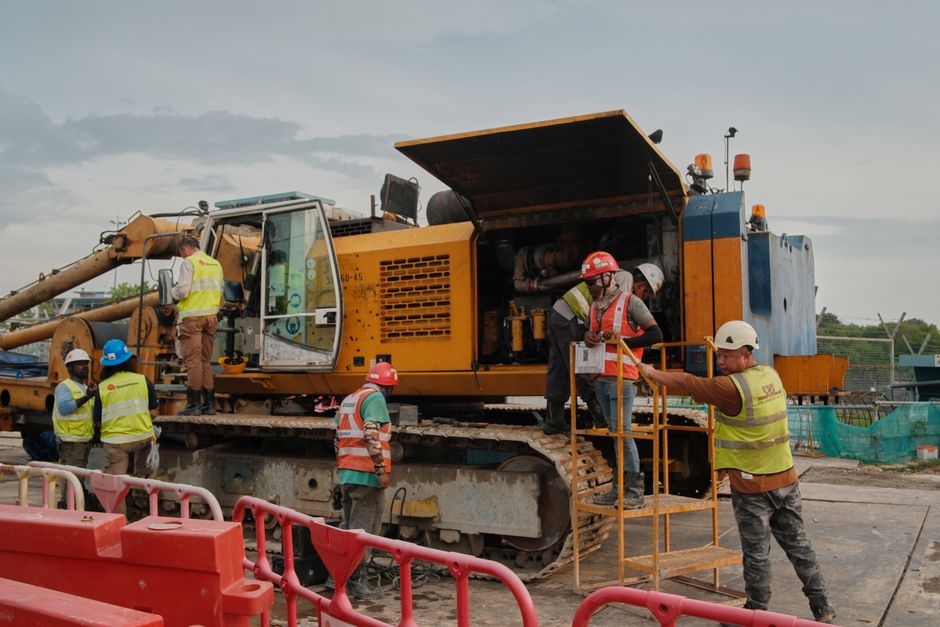
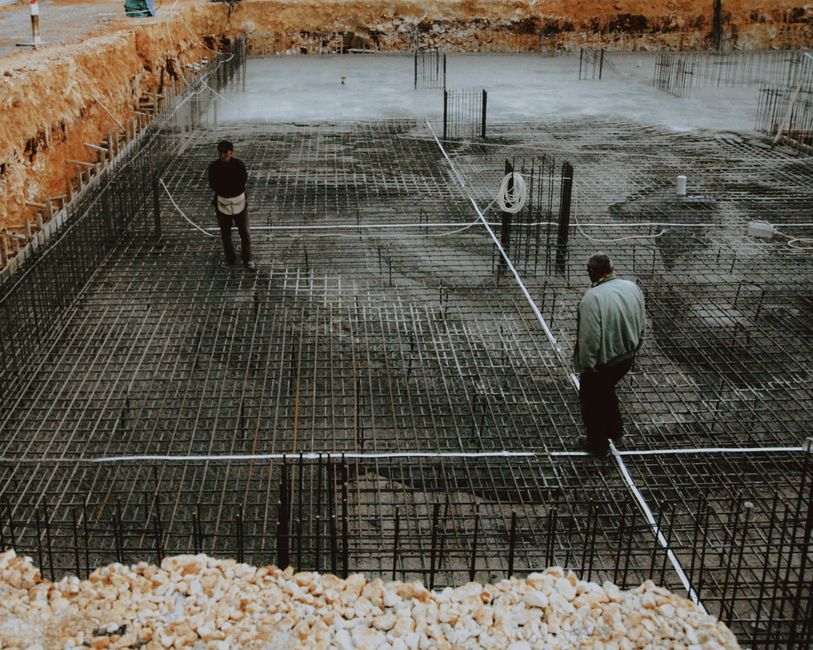
Construction. The HSA runs targeted inspection campaigns and has made contractor verification a priority. Unregistered workers on construction sites, particularly for specialist trades, are one of the most common triggers for prosecution. PSDP and PSCS responsibilities under the Safety, Health and Welfare at Work (Construction) Regulations 2013 mean that supervisory failures around contractor competence carry direct legal exposure.
Gas and heating. Unqualified gas engineers are still operating across the country, and property owners and landlords who hire them face prosecution if an incident occurs. A boiler installed by an unregistered operative that later causes a carbon monoxide incident is not just a tragedy. It is a criminal matter.
Electrical work. Non-notified electrical installations are a specific legal problem. If you commission electrical work and the contractor does not notify the relevant authority, you have a compliance breach that persists for the lifetime of the building and will surface during any subsequent inspection, sale, or insurance claim.
Asbestos. This is the area where unqualified contractor liability becomes most severe. Disturbing asbestos in Irish buildings without a licensed contractor is not a minor procedural issue. It is a criminal offence that can result in workers, clients, and building occupants being exposed to a substance that causes fatal disease. Prosecutions in this area are pursued aggressively and sentences reflect the gravity of the risk.
How the HSA Finds You
Inspectors do not only show up after an incident. They run planned inspection campaigns across sectors. They respond to complaints from workers and members of the public. They follow up on notifications and permits. When they arrive and start checking contractor documentation, gaps surface quickly.
Tax compliance records, PRSI contributions, and Revenue data are increasingly cross-referenced with safety registrations. A contractor who is not registered with their relevant body often turns out to have other compliance gaps, and investigators follow those threads.
Whistleblowing is also more common than employers expect. Workers who are asked to operate in unsafe conditions, or who work alongside unqualified colleagues, have protected disclosure rights and they use them.
What a Defence Actually Looks Like
Courts look at what steps you took to verify competence before engaging a contractor. Not what you assumed. Not what the contractor told you. What you actually checked and documented.
That means asking for registration certificates and keeping copies. It means checking those registrations against the relevant body's live register, because certificates can be falsified or lapsed. It means contractual terms that require the contractor to maintain registrations for the duration of the work. It means a site induction process that confirms qualifications before work starts.
None of this is complicated. All of it creates a paper trail that either keeps you out of prosecution or significantly reduces your exposure if something still goes wrong.
The One Calculation That Changes the Decision
Take the cost of verifying contractor qualifications properly. Time spent checking registers, requesting documentation, adding clauses to contracts. Generous estimate: two hours per contractor engagement.
Now take the floor-level fine for a conviction under the 2005 Act. Add legal fees. Add the insurance impact over three years. Add the reputational cost if the incident gets covered by trade media.
The verification process pays for itself many times over before you have even thought about the human cost to anyone who gets hurt because an unqualified person was doing work they were not competent to do.
The short version is this: the HSA is not making examples of businesses that tried and failed. It is pursuing businesses that did not try at all. Do not be one of them.