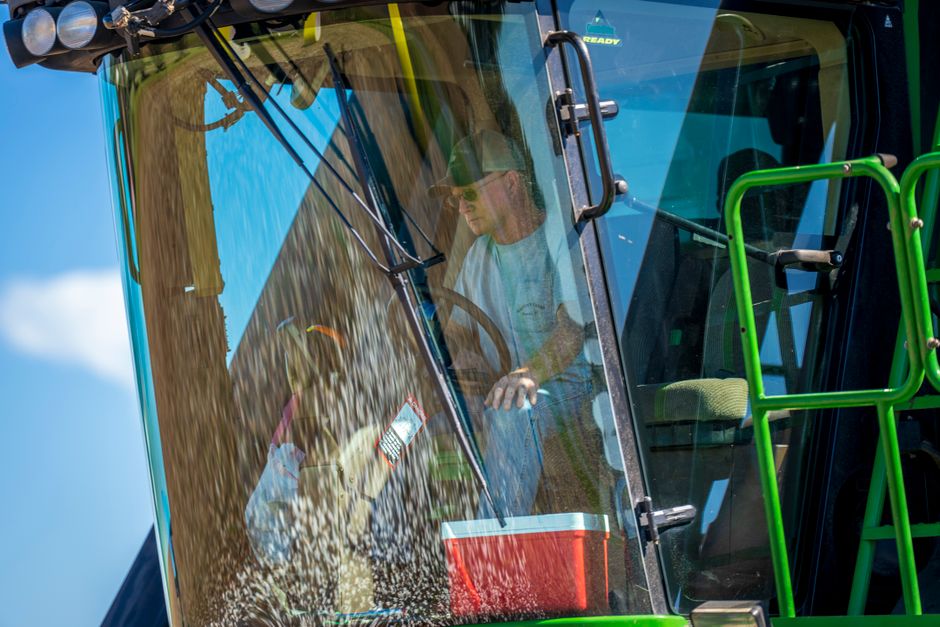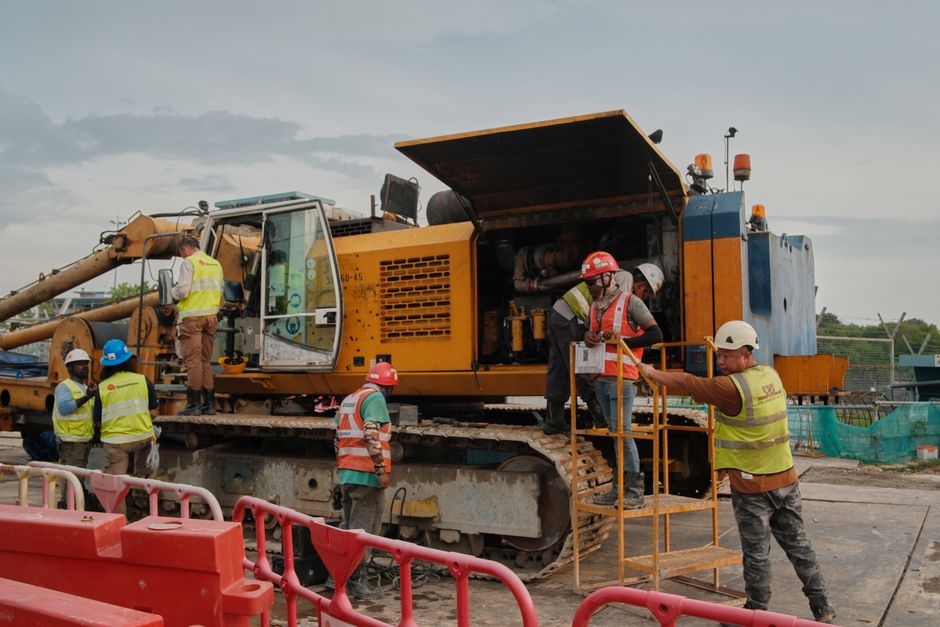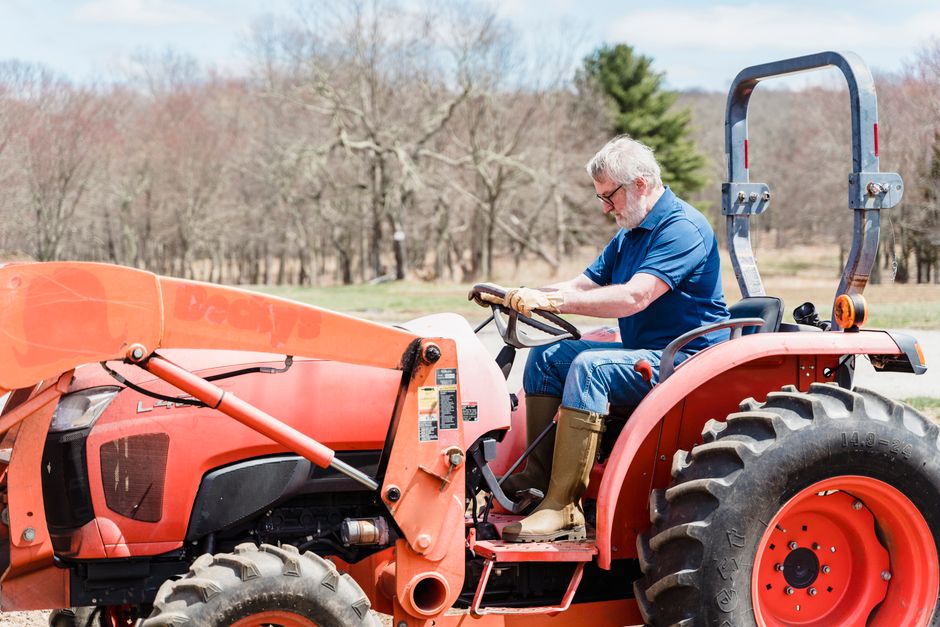
Most farms in Ireland have a safety statement. Most of those safety statements are wrong, not because farmers are reckless, but because the document says "tractor operations" and the farm runs four tractors, a telehandler, a slurry tanker, and a quad bike that nobody officially acknowledges exists.
The HSA's updated Code of Practice for Farming doesn't just refresh the language. It raises the bar on what constitutes a meaningful risk assessment, and the gap between what most farms have documented and what the new code actually demands is significant.
What the Old Approach Got Wrong
Generic assessments have been the industry norm for years. A template downloaded from the internet, a few boxes ticked, a signature at the bottom. Filed away and forgotten until the next inspection or, worse, an incident.
The problem with that approach is that it treats risk assessment as a document rather than a process. The HSA has been signalling this shift for some time through its inspection campaigns, and the new Code makes it explicit. Your assessment must reflect the specific hazards on your specific holding. A beef farm in Roscommon does not share the same risk profile as a dairy operation in Cork or a tillage farm in Carlow, and your paperwork needs to reflect that.
The Code also makes clear that assessments must be reviewed when circumstances change. New machinery. New workers, including family members returning home to help. Changed layouts, new enterprises, seasonal contractors. Any of these triggers a review obligation. Not a suggested review. A legal one.
What the New Code Actually Requires
The updated guidance puts four things front and centre.
Identification of all significant hazards. Not a broad category. The specific hazard. "Slurry" is not enough. The Code wants you to identify confined space entry risk from slurry tanks, engulfment risk during agitation, and the presence of hydrogen sulphide gas. Each of those is a different hazard with different controls.
Assessment of who is at risk and how. This includes hired workers, family members, neighbours who help out at silage time, and anyone else on the land. Children on farms get specific treatment in the Code. If you have kids on the holding, you need to have assessed every area where they could access machinery, water, or livestock.
Control measures that are actually in place. Not planned. Not intended. In place. The assessment needs to describe the real controls being used, not aspirational ones. If your PTO guard is missing and you know it, writing "PTO guarding in place" is not a risk assessment. It is a liability document waiting to be used against you in court.
Regular review and update. The Code pushes for at least annual review, with interim reviews triggered by any significant change. That means after a near miss too. Farm fatalities in Ireland follow patterns that repeat across holdings and across years, and the near misses that precede them are rarely documented or learned from.
The Contractor and Visitor Problem
This is the section most farms have completely blank. When a contractor comes on to spread slime or bale silage, you have a duty to share relevant risk information with them. That means telling them about soft ground near the river, about the low power line running along the back field, about the fact that the yard gate swings out unexpectedly.
The Code formalises this. You need a system for briefing contractors before they start work. It does not need to be elaborate. It needs to happen and be recorded.
Visitors are separate again. If you run an agri-tourism operation, have a farm shop, or take school tours, you have a distinct set of obligations that a standard farm safety statement will not cover. The Code addresses this and inspectors will check for it.
Young and Inexperienced Workers
Agriculture has one of the worst records for incidents involving young workers. The Code gives this substantial attention. If you employ anyone under 18, or if family members in that age group are working on the farm in any capacity, you need a specific assessment of the tasks they perform and the hazards they face.
This is not about banning young people from farm work. It is about having thought through what they should and should not do, and having documented that thinking. An inspector finding a 16-year-old operating a front loader with no training record and no risk assessment covering that task is looking at a prosecution waiting to happen.
The Machinery Gap
Most farm safety statements mention machinery in general terms. The Code wants specificity. For each significant piece of equipment, you should be able to show that you have identified the hazards, the people at risk, and the controls. That includes older equipment that was on the holding long before the current safety statement was written.
Farm machinery corrosion and degradation creates hazards that weren't present when equipment was new, and an assessment that covers the tractor as it was when purchased but not as it exists now is not a compliant assessment.
The Consultation Is the Opportunity
The HSA consultation on the updated Code is not a formality. It is a chance to understand where the new obligations land before inspectors start measuring you against them. The Code, once finalised, becomes the benchmark. Inspectors use it. Prosecutions reference it. Your insurer will eventually ask about it.
The farms that treat this as a paperwork exercise will still have a safety statement. It just will not protect them from anything.
The farms that do it properly will have something more useful: a document that actually reflects the operation, identifies the real risks, and gives everyone on the holding a fighting chance of going home in one piece.
That is, ultimately, what the HSA is asking for. It should not take a code of practice to make that feel urgent.