The HSA does not announce its summer inspection campaigns quietly. Inspectors are already on the ground at festivals, farmers markets, outdoor concerts, and community events across Ireland. If you are running one of these events or supplying the structures and services that make them happen, you need to know what they are actually checking.
This is not a soft compliance exercise. The HSA has statutory powers to issue improvement directions, prohibition notices, and refer cases for prosecution. An outdoor event with poor safety planning is not a charming oversight. It is a prosecutable failure.
Why Outdoor Events Are a Distinct Risk Category
A festival or market is not a permanent workplace. It is a temporary environment built and dismantled in hours, staffed by a mix of employees, contractors, and volunteers, and then opened to thousands of members of the public. Every one of those factors creates risk that does not exist in a fixed workplace.
Temporary structures are assembled under time pressure. Ground conditions are rarely assessed properly. Crowd dynamics can shift fast. Emergency access routes get blocked by catering vans. First aid cover gets underestimated. Weather changes everything and nobody has a contingency plan in writing.
The HSA knows this pattern. That is why summer events are a distinct inspection focus, not just an add-on to their general construction or workplace campaigns.
What Inspectors Are Checking at the Gate
The Safety File and Risk Assessment
Inspectors will ask to see a written risk assessment for the event. Not a generic template. A document that reflects the actual site, the actual crowd size, the actual programme, and the actual weather contingency. If your risk assessment was written for a different event two years ago and you changed the font on the title page, that will be apparent within three minutes.
The safety file should name a responsible person on site with authority to stop the event. That person needs to be present, identifiable, and reachable. Not in Dublin managing logistics by phone.
Temporary Structures
Stages, marquees, grandstands, fencing systems, and overhead rigging all fall under the Safety, Health and Welfare at Work Act 2005 and the relevant construction regulations when they are being erected and dismantled. Inspectors want to see evidence that structures were designed for the load they are carrying, erected by competent persons, and inspected before the public arrived.
Scaffold collapses and platform failures at events follow the same pattern as construction site failures. Shortcuts during erection. No independent inspection. Somebody assumes somebody else checked it. Nobody did.
Anchor points matter. A marquee in a field with inadequate ground anchors in Irish summer weather is a liability waiting for a wind gust. Ask the supplier for the structural engineer's sign-off. If they cannot provide it, that is your answer.
Electrical Safety
Generators, distribution boards, cables across walkways, wet ground, public access. Events create electrical hazards that would be immediately flagged on any construction site but somehow get normalised in a festival setting.
Inspectors will check that electrical installations have been tested, that RCD protection is in place, and that cabling is not creating trip hazards or running through standing water. All electrical work should be completed by a registered electrician. A certificate of compliance is not bureaucracy. It is proof that nobody is going to get electrocuted in a queue for the coffee van.
Crowd Management and Emergency Planning
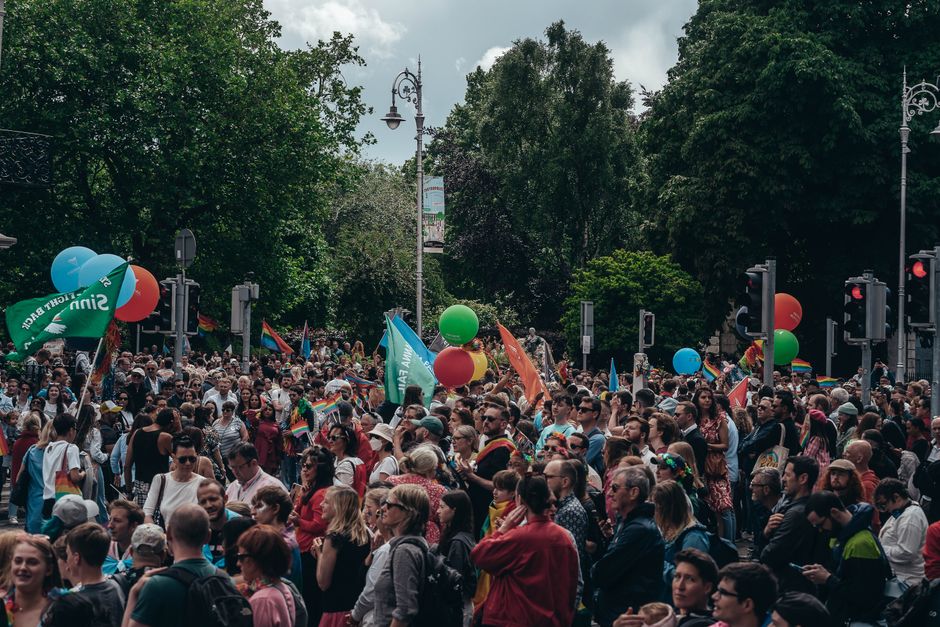
Inspectors want a written crowd management plan. This means entry and exit routes with capacity numbers, procedures for an emergency evacuation, defined roles for stewards, and communication between the event team and emergency services.
The plan needs to be tested, at least on paper, against a realistic emergency scenario. "We would figure it out on the day" is not a crowd management plan.
First aid provision at summer events is chronically underestimated. The HSA and event guidance generally follow a ratio approach based on crowd size and event type. A 5,000-person outdoor event needs more than a first aid box and a person with a basic certificate. Know your numbers before the inspector asks.
Fire Safety
Clear evacuation routes. Adequate fire extinguisher provision. No combustible materials stored adjacent to cooking or power generation equipment. Fire safety in a temporary structure requires the same thinking as fire safety in a building, but the environment is less forgiving and the public are less familiar with it.
Food vendors using gas equipment need to demonstrate that LPG cylinders are stored correctly, connections have been checked, and there is a procedure if something goes wrong. One gas incident at an event can injure multiple people within seconds.
Worker Welfare and Manual Handling
Events employ large numbers of workers, often in roles involving significant manual handling. Load-in and load-out of equipment, furniture, catering supplies, and staging is physically demanding work done under time pressure. Inspectors can and do check that workers are not being put at unreasonable risk during build and breakdown.
Welfare facilities matter too. Adequate toilets, rest areas, and drinking water for staff and contractors are legal requirements, not optional extras. The fact that the public has access to better facilities does not excuse poor provision for the people building and running the event.
The Contractor Chain Problem
Most events are delivered through a network of contractors. Stage company, catering suppliers, electrical contractor, security firm, barrier hire, generator hire. Each has its own responsibilities. But the event organiser retains overall responsibility for coordinating safety across all of them.
That means you need written confirmation from every contractor that they have their own safety documentation in order, that their workers are competent for the tasks being carried out, and that their work integrates safely with everyone else on site.
If a stage contractor erects a structure that collapses because the ground conditions were not assessed, the event organiser cannot simply point at the contractor and walk away. The duty to plan and manage the overall safety of the event sits with the person running it.
The Documents You Need Ready Before the Inspector Arrives
Keep these accessible on site, not in a folder in your car two fields away.
- Written event risk assessment, specific to this event
- Site safety plan including emergency procedures
- Structural engineer's sign-off for any temporary structure
- Electrical test certificates
- Contractor safety confirmations
- First aid plan with staff names and locations
- Crowd management and evacuation plan
- Evidence of planning authority and licence conditions compliance
The Cost of Getting It Wrong
Improvement notices require immediate action and stay on the HSA's records. Prohibition notices can shut an event down mid-operation. Prosecutions under the 2005 Act can result in fines running to tens of thousands of euros per charge, and in serious cases, personal liability for directors and responsible persons.
The reputational damage of a visible HSA intervention at a public event is harder to quantify but very easy to imagine.
Summer event season is short and the margins are tight. The instinct is to move fast and sort paperwork later. That instinct is exactly what puts events in front of a judge.
Get the paperwork right before the first tent peg goes in.