The HSA handed out fines totalling over €1.2 million in a single year for construction plant and machinery failures. The incidents kept happening the following year. That tells you something the fines themselves cannot.
Money changes behaviour when the people writing the cheques are the same people making daily decisions on site. In Irish construction, that connection is broken. A regional director gets the invoice. The foreman who waved a banksman off because the job was running late gets a talking-to. The worker who stepped into the slew zone of an excavator because nobody told him not to goes to hospital. The fine lands, the paperwork gets updated, and six months later the same foreman is waving off the same banksman on a different site.
The HSA knows this. Their enforcement reports say it plainly. Repeat failure patterns cluster around three things: untrained operators on plant they have no business operating, absent or ignored supervision during high-risk movements, and safety management systems that exist as folders rather than practice. The fines are real. The learning is not.
Who Is Actually Operating the Plant
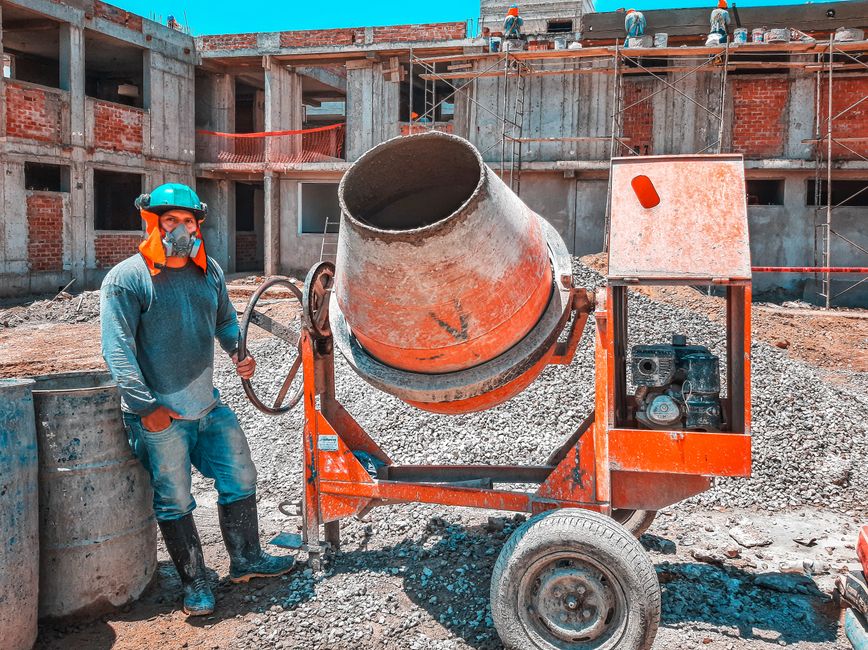
Competence requirements for plant operators in Ireland are clear on paper. The operator of a 360-degree excavator on a busy site needs formal training, ideally certification through CPCS or an equivalent scheme, and demonstrable site-specific induction. What actually happens in a tight labour market is different. An experienced groundworker who has watched machines work for fifteen years gets handed the keys because the certified operator called in sick and the pour is tomorrow.
Nobody writes that decision down. Nobody formally authorises it. The machine moves. If nothing goes wrong, nobody thinks about it again. If something goes wrong, the investigation that follows reveals that the operator had no formal training record, the site manager had no authorisation procedure, and the company had no mechanism to prevent it happening in the first place.
This is not a rogue-employer problem. It is a systemic normalisation of informal competence assessment. "He knows what he's doing" is not a safety management system.
The Supervision Gap Nobody Admits
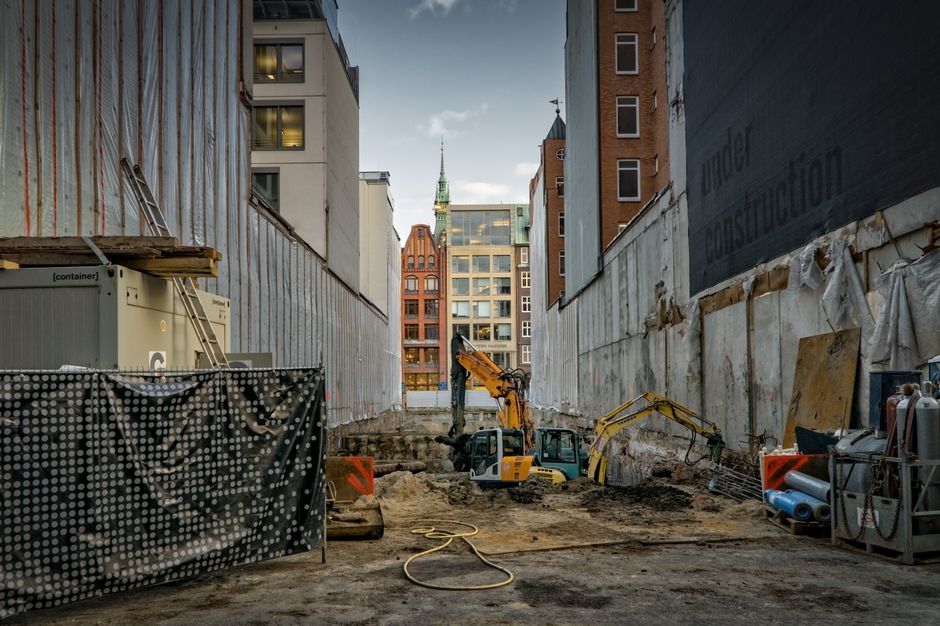
There is a fantasy version of construction plant supervision and a real version. In the fantasy version, a trained banksman is in position for every reversing movement, exclusion zones are enforced, the lift plan is followed, and the supervisor watches the critical lifts. In the real version, the banksman has four other things to do, the exclusion zone tape went down on day one and has not been checked since, and the supervisor is in the site cabin doing paperwork for the last inspection.
The Safety, Health and Welfare at Work (Construction) Regulations place specific duties on project supervisors at both design and construction stages. The role of the project supervisor on Irish sites carries legal weight. But the regulations describe a minimum framework, not a guarantee of presence at the point of risk. A PSDP can sign off a construction stage safety plan on Monday and a reversing dumper can kill someone on Thursday, with every box ticked.
Effective supervision of plant operations means a named, competent person with authority to stop work, physically present in the area during movements that carry serious risk. Not checking in. Present. That costs money and it costs time. Sites that absorb that cost do not generate the incident statistics that lead to prosecution. Sites that treat supervision as a box on a form do.
What Training Actually Looks Like When It Fails
Formal plant operator training, done properly, covers machine-specific controls, pre-use checks, load and capacity limits, working near excavations, overhead lines, and other plant, and the communication protocols between operator and banksman. Done badly, it covers the exam questions.
The training-to-ticket pipeline has a gap in the middle called transfer to site practice. A worker can sit through a two-day CPCS assessment, pass the theory test, and arrive on site with a card that says competent. Then they get put on a machine in conditions the assessment never simulated, with noise levels that make radio communication impossible, on ground that changes daily, working to a programme that does not accommodate the time required to do movements safely.
Induction covers this in theory. In practice, plant-specific site induction often amounts to fifteen minutes with a safety pack the operative does not have time to read. The specific exclusion zones for this site, the specific communication system in use here, the specific ground conditions near that excavation, who to stop work for and why: these things need to be taught at the point of work, repeatedly, and checked.
The companies that avoid prosecution are not the companies with the thickest safety folders. They are the ones where a supervisor actually walked the new plant operator around the site on day one and pointed at the things that will kill you.
The Toolbox Talk That Changed Nothing
Toolbox talks have become a compliance performance. The record gets signed. Nobody can say the information was not given. But a ten-minute talk on excavator exclusion zones, delivered at 7:45am in a site cabin with six other things on the agenda, does not produce lasting behavioural change in a crew that has been working around plant for years without incident.
Behavioural change around plant safety requires repetition, visual cues at the point of hazard, and visible enforcement. Exclusion zones need physical barriers, not tape. Banksman positions need to be designed into the traffic management plan, not improvised on the day. Pre-use checks need a named person, a time, and a record, not a general expectation that someone will do it.
When the HSA publishes its prosecution outcomes, the failure modes are almost always things that were covered in the toolbox talk. The gap is not information. The gap is the distance between a worker knowing something and a site condition making it easy to act on that knowledge.
What the Fine Does Not Buy
A €1.2 million fine is real money. It covers legal costs, it damages relationships with clients, it appears in the public record. What it does not buy is a changed decision by the next foreman on the next site who needs to move that machine now and cannot find the banksman.
The fine lands after the investigation, after the prosecution, often two or three years after the incident. The workers on site during that fine period were not there when it happened. The foreman making the decision today has never felt the consequence of the last decision. The financial deterrent is real in aggregate and abstract at the point of risk.
What changes site behaviour is not the size of the fine. It is the certainty of being caught, the immediacy of consequence, and the presence of a supervision structure that makes the unsafe shortcut harder than the safe route. Site surveillance technology is beginning to shift that equation, but technology without management authority behind it is just more footage nobody acts on.
What Actually Works
Three things consistently distinguish sites with low plant incident rates from sites that generate prosecutions.
Named competence. Every plant operator on every machine has a documented authorisation from a named site manager, specific to that machine and that site. The authorisation is checked at the start of each week. Unplanned operator substitution triggers a mandatory induction before keys are handed over.
Physical exclusion. Exclusion zones around operating plant are physically enforced with barriers, not tape. The zone is designed before the machine starts work, it is on the risk assessment, and it is checked at the start of each shift.
Active supervision. The site manager or a delegated competent person is physically present for high-risk plant operations. Not available by radio. Present. This is scheduled into the programme as a task with a time allocation, not assumed to happen around everything else.
None of this is new guidance. None of it requires technology or significant capital. All of it requires a site culture where the supervisor's job is to supervise, not to administrate, and where stopping an unsafe movement is faster than the pressure to keep the programme moving.
The fines will keep coming until the culture changes. The culture will not change until the people signing the cheques are the same people on site when the decision gets made.