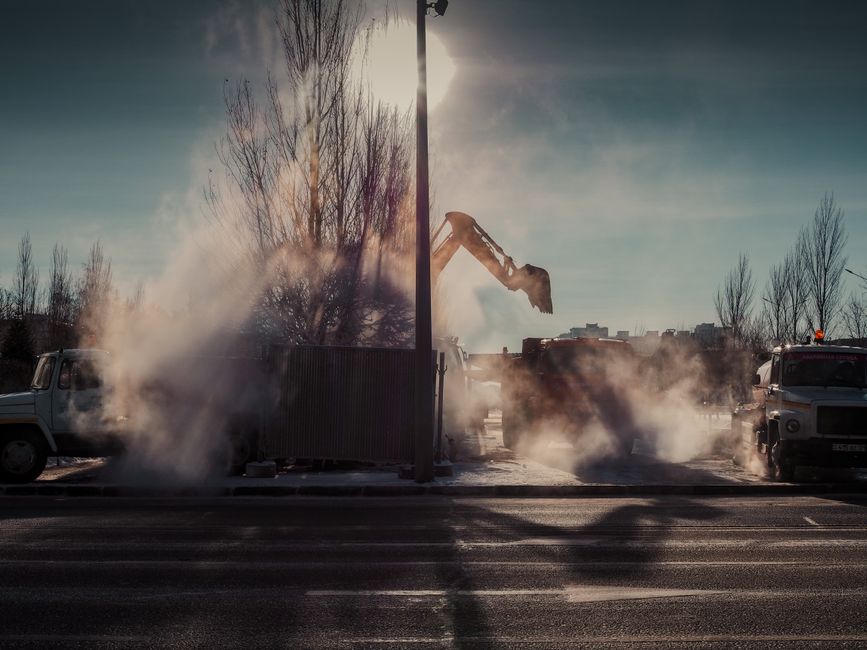
A man spends 25 years cutting concrete, laying blocks, dry-grinding. He retires at 60 feeling fine. At 65, he cannot walk to his front gate without stopping for breath. That gap, those five years of silence, is where the system fails completely.
Silica dust does not behave like a fall or a crush injury. There is no incident report, no ambulance, no obvious moment of harm. It accumulates in lung tissue over years, triggers an immune response that slowly scars the lungs from the inside, and by the time symptoms appear the damage is extensive and permanent. This is silicosis, and it operates on a timeline that makes accountability very difficult and compensation even harder.
The Biology of a Slow Disaster
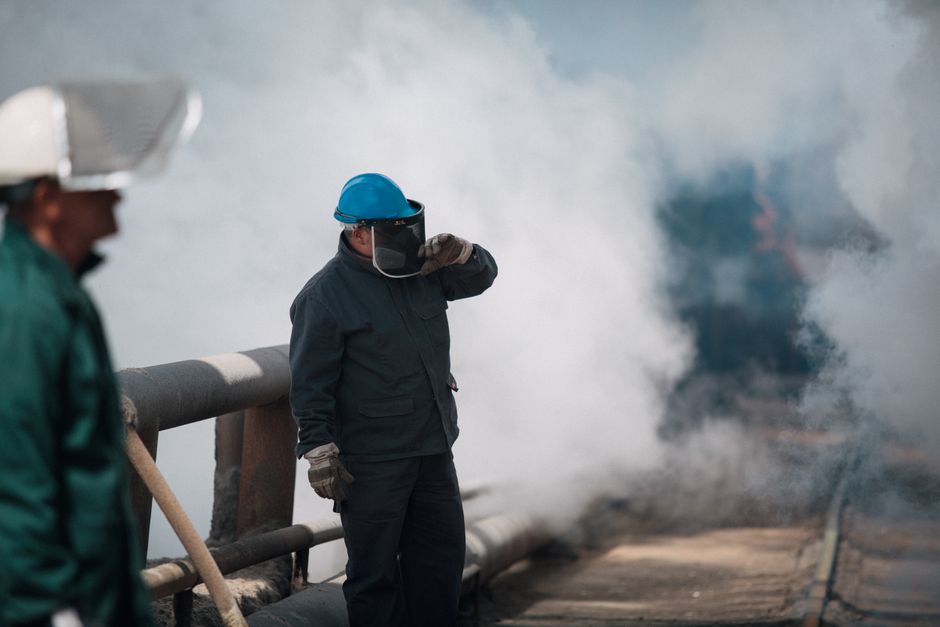
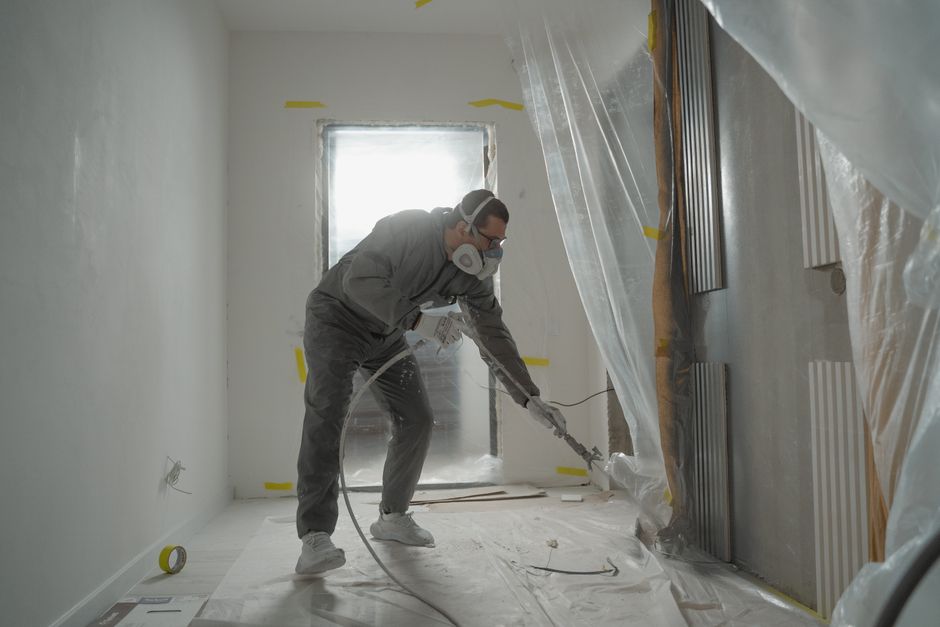
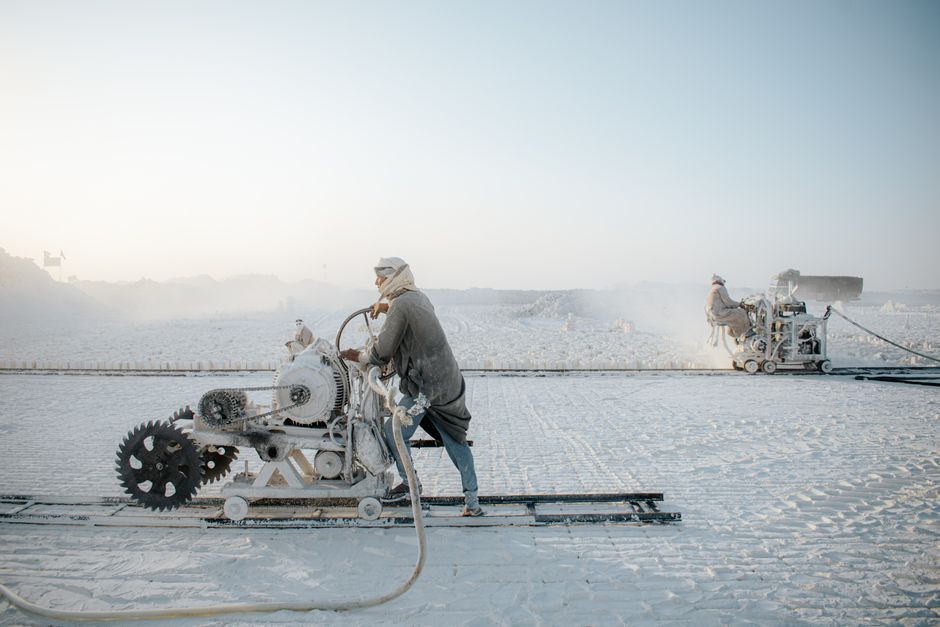
Crystalline silica is found in concrete, brick, sandstone, mortar, and engineered stone. When these materials are cut, drilled, or ground, particles smaller than 10 microns become airborne. You cannot see them. Your nose does not stop them. They travel into the alveoli, the tiny air sacs deep in the lungs, where the body tries and fails to break them down.
The inflammatory response that follows does not stop when you leave the site. It continues for years, sometimes decades. Scar tissue builds up, lung capacity drops, and conditions like silicosis, chronic obstructive pulmonary disease, and lung cancer develop on a long slow curve. A worker exposed heavily in their 30s and 40s may not receive a diagnosis until their late 50s or 60s. By then, the employer is often gone, the records are lost, and the link between the work and the illness is hard to prove.
Accelerated silicosis, the form now appearing in younger workers exposed to engineered stone in worktop fabrication, can develop in as little as three to five years. Classic silicosis from construction exposure typically takes 10 to 30 years to manifest. Both are progressive. Neither is curable.
Why Diagnosis Arrives Late
Irish occupational health surveillance is not set up to catch slow-developing disease. Health surveillance under the Safety, Health and Welfare at Work (Chemical Agents) Regulations does require periodic lung function testing for workers exposed to hazardous substances. In practice, compliance is inconsistent, monitoring is rarely continued after employment ends, and GP awareness of occupational lung disease as a differential diagnosis is patchy.
A retired plasterer presenting with breathlessness is far more likely to be investigated for cardiac causes or smoking-related COPD than for silicosis, unless the GP thinks to ask about occupational history in detail. Many do not. Many patients do not volunteer it, partly because they assume the dust was just part of the job and not something that counts as a medical exposure.
The delay matters beyond the personal. A diagnosis made at 65 instead of 58 is a diagnosis made when legal options are narrowing fast.
The Compensation Wall
Occupational disease claims in Ireland can be pursued through two routes. The first is the Occupational Injuries Benefit scheme administered by the Department of Social Protection, which covers prescribed diseases including pneumoconiosis. The second is civil litigation against a former employer for negligence in failing to control dust exposure.
Both routes have problems.
The Occupational Injuries scheme pays modest weekly benefits and lump sums. The amounts have not kept pace with the reality of a man in his 60s who cannot work, cannot exercise, and whose condition will worsen until it kills him. The process requires medical certification and proof of relevant employment, both of which become harder to obtain the longer the delay between exposure and diagnosis.
Civil litigation requires establishing that the employer knew or should have known about the risk, failed to take reasonable steps to control it, and that this failure caused the specific disease. The long latency period creates an evidentiary problem. Employers cease trading, records are shredded, co-workers cannot be located, and expert witnesses must reconstruct exposure levels from decades-old work descriptions. Defendants routinely challenge causation on the basis that the worker smoked, or lived near a quarry, or had some other supposed confounding factor.
Solicitors who handle these cases describe a situation where the law in theory supports the worker but the practical barriers are severe. Statute of limitations rules are particularly cruel here. Under Irish law, the clock on a personal injury claim generally starts when the plaintiff has knowledge of the injury and its likely cause. For occupational lung disease, determining the precise moment of "knowledge" is genuinely contested. A worker who noticed breathlessness in 2018 but received a formal silicosis diagnosis in 2021 may face arguments about when time started running.
What Surveillance Should Look Like
The model that works is active, funded, and continued after employment ends. The UK's SWORD scheme (Surveillance of Work-Related and Occupational Respiratory Disease) collects physician-reported cases and has tracked trends in occupational lung disease for over 30 years. Ireland has no equivalent national surveillance system for occupational respiratory disease with that level of coverage.
What Irish construction workers actually need is a registry of exposed workers, post-employment health checks at defined intervals, and a GP-facing diagnostic prompt that flags occupational history for any respiratory presentation in a former construction worker. None of this exists at scale. The HSA produces guidance. Awareness campaigns run. But systematic follow-up of exposed workers after they leave the industry remains absent.
Where the Regulation Falls Short
The Chemical Agents Regulations and the accompanying Code of Practice set legally enforceable exposure limits for respirable crystalline silica. The limit is 0.1 mg per cubic metre as an eight-hour time-weighted average. Cutting dry concrete without suppression regularly generates dust at many times that concentration.
Enforcement on active sites has improved. The HSA has increased inspections and prosecutions. But enforcement is site-specific and moment-specific. It does not reach the cumulative exposure that built up over 20 years of working before the current regime existed. Workers who were grinding concrete in the 1980s and 1990s, when dust controls were minimal and RPE was rarely worn, are now entering the age range where silicosis typically declares itself. The regulatory framework that exists today did nothing for them then.
The Turn
Awareness campaigns tell workers that silica dust is dangerous. Workers broadly know this. What they do not have is a functioning system that catches the disease early, supports a diagnosis, and gives them a realistic path to compensation before they are too ill to pursue it.
The dust has already done its work in thousands of lungs across Ireland. The question now is whether the system around those workers is capable of catching up with a disease that has a 20-year head start.