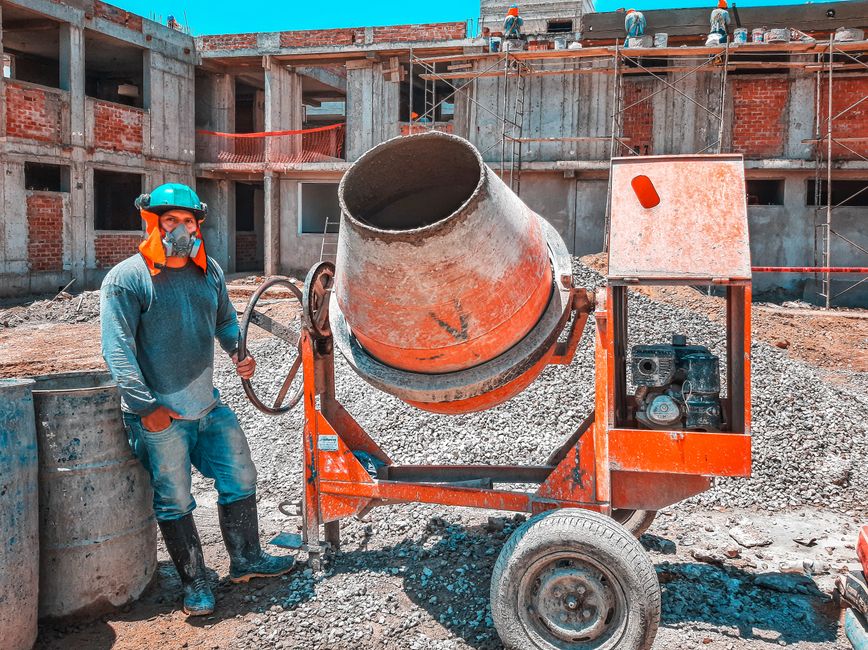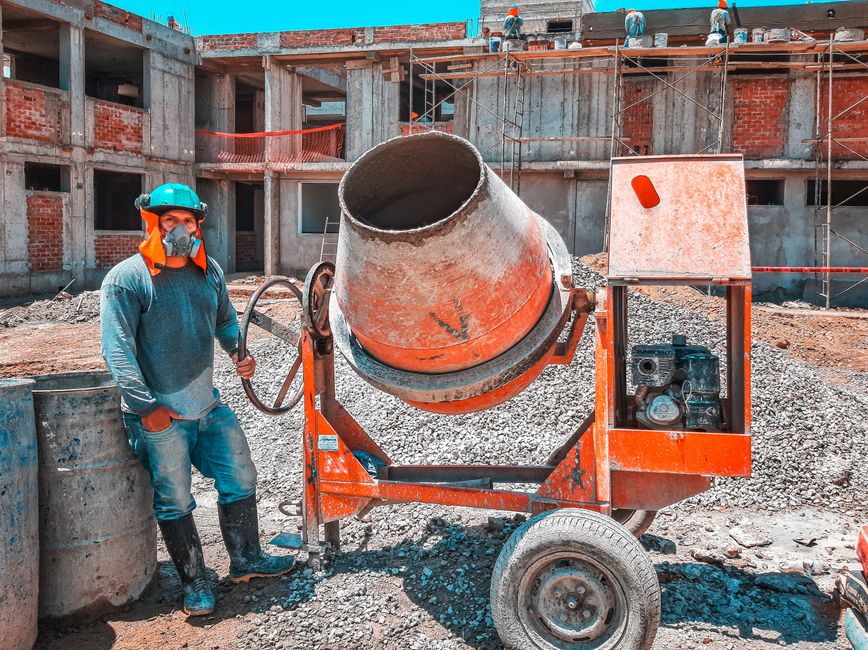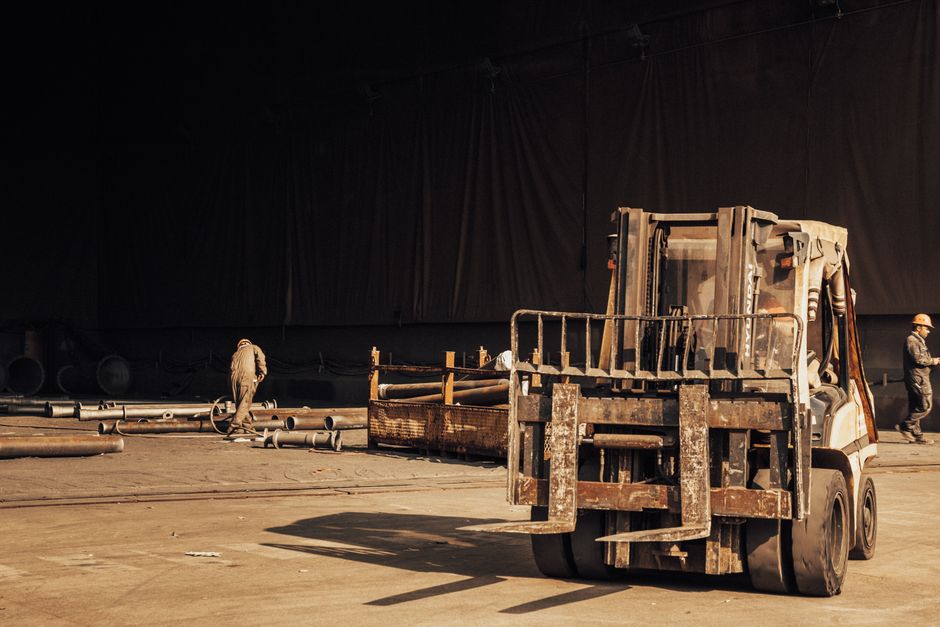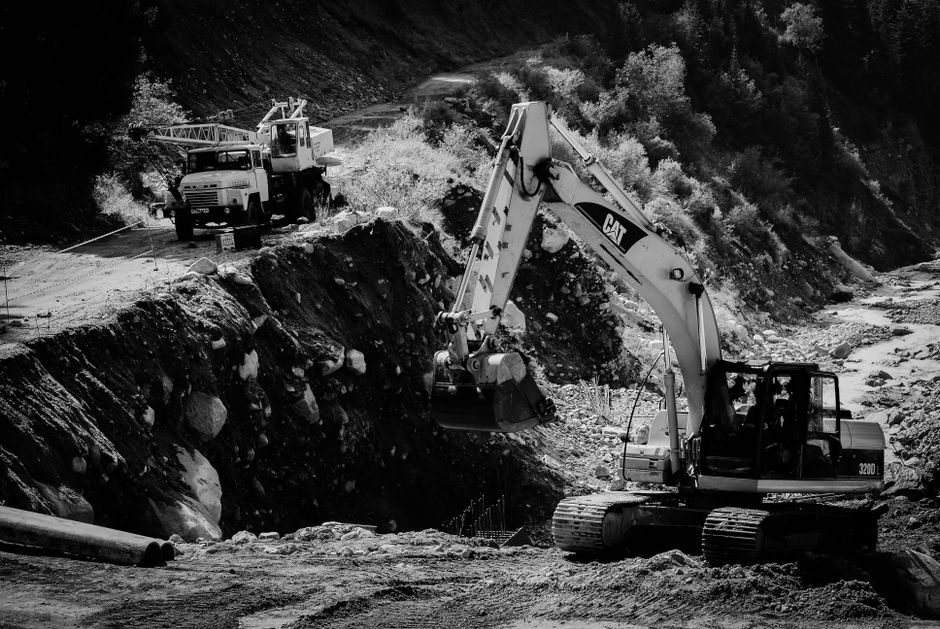
A worker climbs into a dumper truck. His supervisor tells him not to bother with the belt, it is only a short run across the yard. Three minutes later the machine tips on a slope and the driver is thrown into the path of his own vehicle. This is not a hypothetical. Variations of this incident appear in HSA prosecution files year after year.
The Supervisor Problem Nobody Wants to Name
The standard narrative around seatbelt non-compliance on site goes like this: workers are cutting corners, workers are lazy, workers need more training. That narrative is wrong, or at least incomplete.
HSA investigation records consistently show a different pattern. Workers skip seatbelts because someone above them told them to, or because the culture around them made wearing one feel like a liability. Supervisors tell operators not to belt up for short journeys. Site managers create pressure to move fast. No one challenges it because no one has been hurt yet, and on a busy site, absence of injury reads as proof that a shortcut is safe.
It is not laziness. It is normalised risk. The two are very different problems with very different solutions.
Why "Short Distances" Is the Most Dangerous Logic on Any Site
The physics of a rollover does not care how far you were travelling. A dumper truck operating at low speed on a ten-degree slope generates enough force on rollover to kill an unbelted driver. The Rollover Protection Structure fitted to the cab is designed to keep the survival space intact. Without a seatbelt, the operator is thrown into that space as it collapses, which is the worst possible place to be.
Construction sites are not flat. They are constantly changing terrain with gradients, ruts, loose fill, and uncompacted ground edges. The exact conditions that require slow speeds are also the conditions most likely to cause a rollover. Slow and short does not mean safe. It frequently means the opposite.
Research into dumper truck incidents from the HSA shows that a significant proportion of fatal and serious machinery injuries happen within 50 metres of where the operator started the journey. The short run across the yard is not a low-risk trip. It is statistically where people die.
What the Prosecution Files Actually Reveal
The HSA does not just fine companies for the incident. It investigates the system of work that produced it. When investigators find evidence that a supervisor instructed a worker to skip a seatbelt, or that the site's culture made compliance practically impossible, the legal exposure grows considerably.
Personal liability for site supervisors is real and underused as a deterrent. Section 80 of the Safety, Health and Welfare at Work Act 2005 allows prosecution of individual managers and directors where an offence is committed with their consent or connivance. Companies found liable for machinery incidents that become criminal negligence cases have paid fines north of €95,000. The supervisor who told the driver to skip the belt is not insulated from that outcome.
The paper trail also matters. If a site's method statement requires seatbelts and a supervisor verbally overrides it, that supervisor has just created a gap between policy and practice. Investigators find that gap. It becomes the centrepiece of the prosecution.
Why the Culture Persists Despite the Evidence
Three reasons, none of them mysterious.
First, time pressure. Seatbelt compliance on short journeys adds maybe 45 seconds per trip across a shift. On a site running to a tight programme, supervisors under pressure find informal ways to claw back time. Skipping the belt is invisible and immediate. The rollover that kills someone is a low-probability event on any given day, which makes the trade feel rational until it is not.
Second, no feedback. Worksites do not get a warning before a rollover happens. Other hazards leave evidence: a near-miss with a scaffold, a cut hand from an unguarded blade. Seatbelt non-compliance generates zero visible feedback until the incident occurs. The absence of consequences is misread as evidence of safety.
Third, social dynamics. A worker who insists on wearing their belt after being told not to bother is implicitly challenging the supervisor. On sites where hierarchy is strong and employment is precarious, that takes real courage. The safer move, socially if not physically, is to go along with it.
What Actually Stops It
Start with the legal framework, not as a threat but as a tool. The requirement to wear seatbelts on all mobile work equipment is not optional under the Safety, Health and Welfare at Work (General Application) Regulations 2007. It is not conditional on distance, speed, or site manager preference. Put that in writing in the induction, the toolbox talk, and the method statement.
Make refusal to comply a disciplinary matter in both directions. A worker who skips a belt should face consequences. A supervisor who instructs workers to skip a belt should face the same or greater consequences. If the written policy only runs one way, the culture will follow.
The role of the project supervisor is not ceremonial. Project supervisors carrying statutory duties under the Safety, Health and Welfare at Work (Construction) Regulations 2013 need to understand that those duties extend to the actual behaviour happening on their sites, not just what the safety file says should happen.
Audit the gap between policy and practice. Walk the site unannounced. Count seatbelt usage on mobile plant. If compliance is below 100%, something in the system is failing and the answer is not another poster.
Pre-start checks on machinery should include a verbal confirmation that the seatbelt is functioning and will be worn. It takes ten seconds and creates a habit. More importantly, it normalises the expectation before the machine moves.
The Turn
None of this is complicated safety science. A seatbelt is a piece of webbing with a buckle. The regulation requiring its use has been on the books for decades. The reason people are still dying is not ignorance of the rule. It is a site culture that treats the rule as optional when a supervisor decides the circumstances are exceptional enough. Changing that requires confronting the supervisor, not just retraining the operator.
The next time a worker climbs into a cab on your site, the question is not whether he knows the seatbelt rule. The question is whether the culture around him makes wearing it the path of least resistance. If it does not, your paperwork is irrelevant.